Konsultacja doctora

Home / Hernia surgeries

Modern hernia treatment at the WILMED clinic

Fast, minimally invasive, effective

What is a Hernia?

A hernia is a soft protrusion formed as a result of the contents of a body cavity protruding through an internal opening in the body wall. The opening occurs in an area of reduced resistance. In the case of the abdomen, for example, a segment of the intestine may protrude through it.

Our specialists treat abdominal hernias, which are those where the hernia sac is formed as a result of displacement of organs from the abdominal cavity. It is a common condition occurring in both men and women.

Hernias should not be left untreated – if untreated, they can lead to serious health complications, even life-threatening, such as intestinal necrosis or hernia incarceration.

Take advantage of a free online consultation

For whom

The only effective method of treating any type of hernia is surgery.

At Wilmed, we treat hernias, among others, using surgery with a polypropylene mesh. This involves stretching a special polypropylene mesh over the tissue defect, which prevents organs from protruding from the abdominal cavity. After some time, the mesh integrates with the tissues, protecting against hernia recurrence.

Each case is consulted by a surgeon and after an individual consultation, the appropriate treatment method (surgery) is determined for the patient.

1

Inguinal hernia

2

Przepuklina udowa

3

Umbilical hernia

4

Linea alba hernia

5

Postoperative hernia

Contact
Book an appointment at Wilmed

Specialists

The experience of our specialists and the modern methods and techniques used during procedures enable them to achieve excellent therapeutic results.

You can have hernia surgeries performed at Wilmed Clinic, and the specialists handling these procedures are:

Piotr Ciszewski

Specialist in general surgery, aesthetic surgery

Read more
Tomasz Guzel

MD, PhD

Tomasz Guzel

General surgery specialist

Read more
Jacek Albiński

Specialist in oncological surgery

Read more

General surgery specialist

Read more

Benefits

1

One-day treatment mode

At WILMED clinic, hernia surgeries are performed on a one-day basis – thanks to modern technologies and medications, as well as the skills of our specialists, patients can return home just a few hours after the procedure and recover there.

2

Short recovery time

Thanks to the experience of our specialists, a return to normal functioning is possible after about 7 days compared to several to a dozen weeks of recovery after traditional surgeries.

3

Innovative surgical method

The so-called tension free method used at the WILMED clinic reduces pain symptoms and allows procedures to be performed even in elderly patients (due to the use of less physically demanding types of anesthesia).

4

Low risk of complications

Compared to traditional hernia surgeries, the recurrence rate after operations using the tension free method affects less than 1% of patients (after traditional surgeries, the recurrence rate is about 10-20%).

Learn more about hernia surgery at the Wilmed Clinic

In this material the doctor explains what a hernia is, who is at risk of developing it, and how to treat it. You can see how hernias are operated on at our Hernia Treatment Center and what the results of such surgeries are, illustrated by the story of Mrs. Aneta. We hope that watching this film will dispel many of your doubts. You are welcome.

Inguinal. The first worrying symptoms of this condition include a feeling of aching in the groin area, especially after physical exertion, coughing, or bowel movement. This indicates the hernia entering the inguinal canal. Initially, this change appears as a bulge that recedes spontaneously or after gentle pressure.

Umbilical. Most often congenital in nature. It also occurs in obese women. It appears in the linea alba, at the opening for the umbilical vessels. It presents as a protrusion increasing from several to several dozen centimeters in the navel itself or next to it.

Postoperative. It is a complication of previous abdominal surgeries. The hernia sac passes through an opening that appeared due to tissue weakening at the site of the scar from the previous surgery.

What Sets Us Apart

  • A team of experienced specialists
  • Access to modern treatment methods
  • Holistic approach to the patient
  • Possibility of comprehensive diagnostics
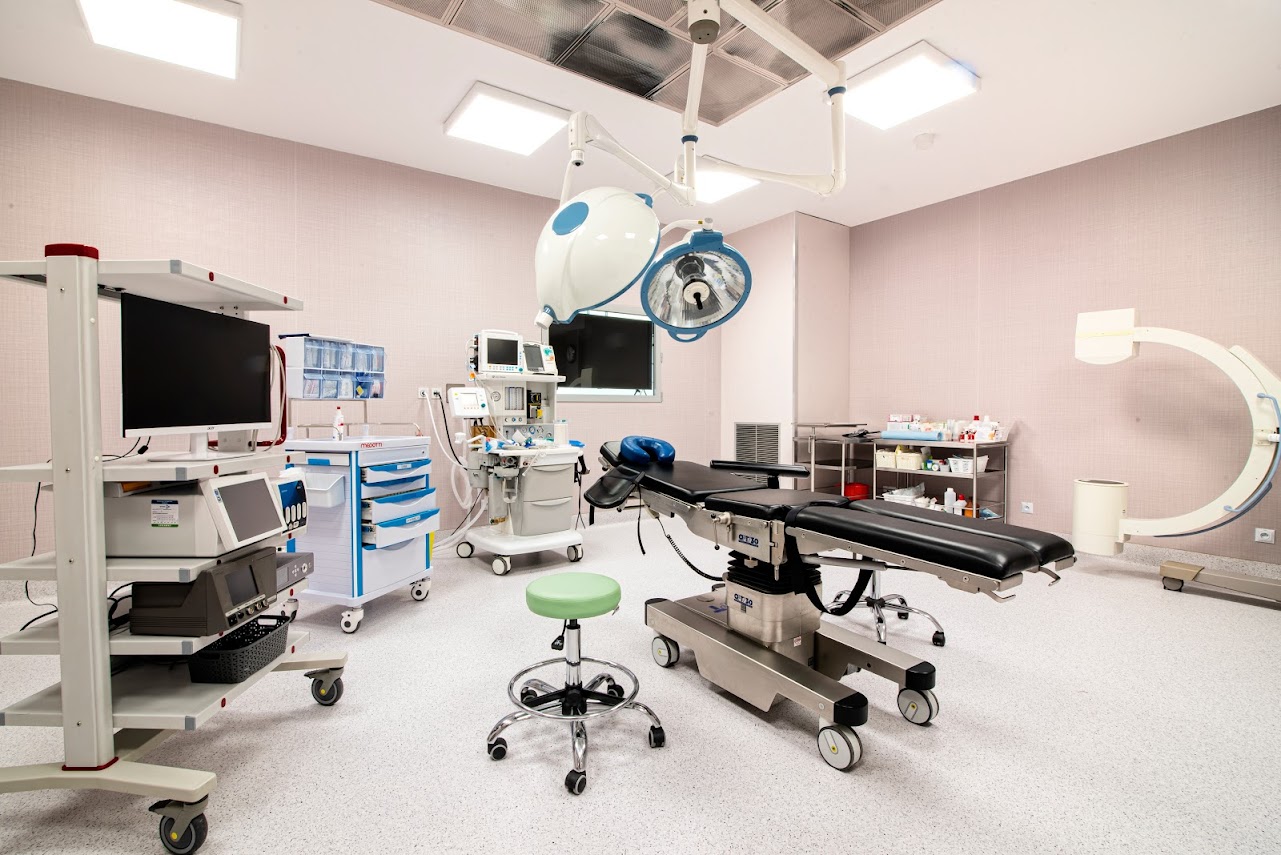
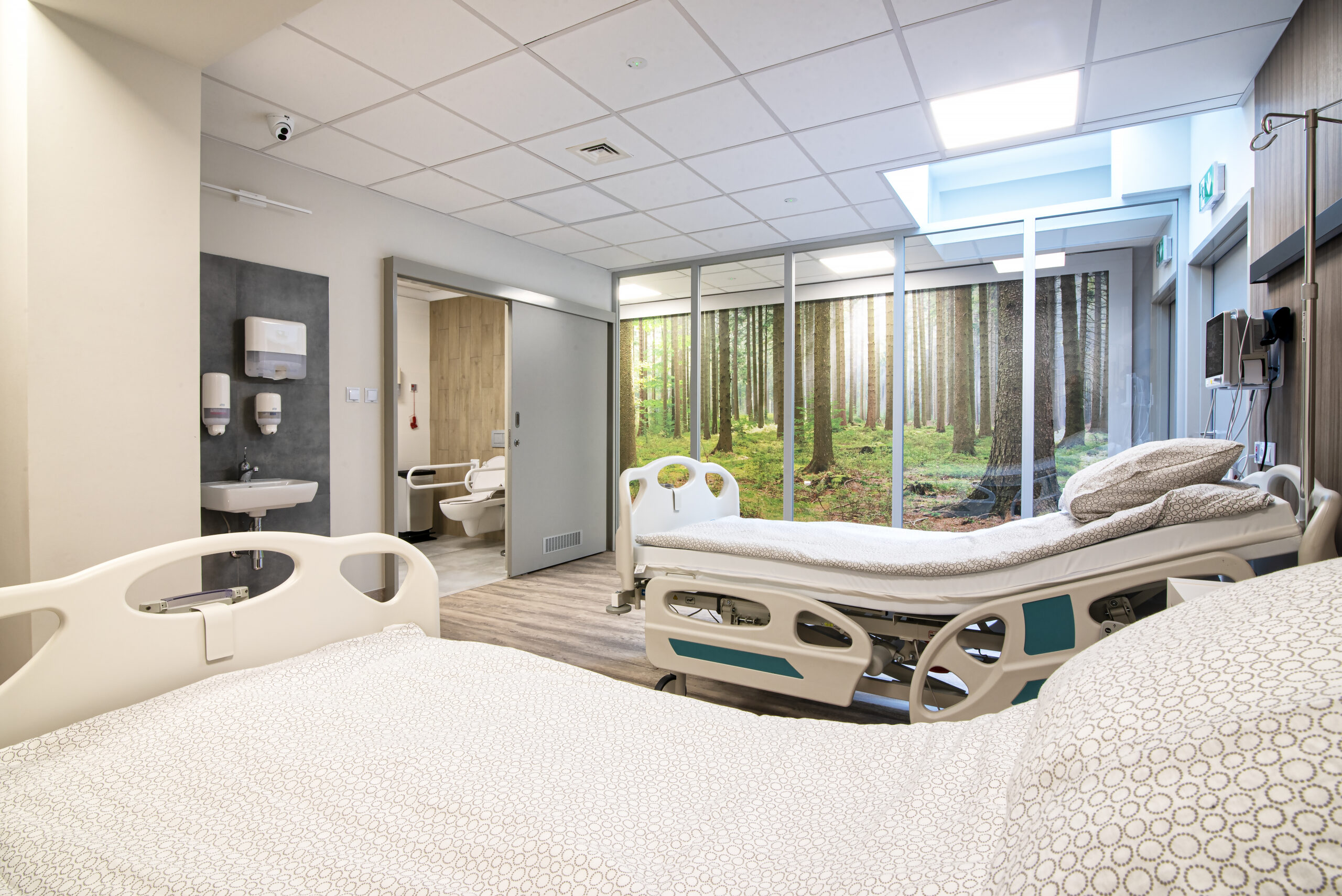
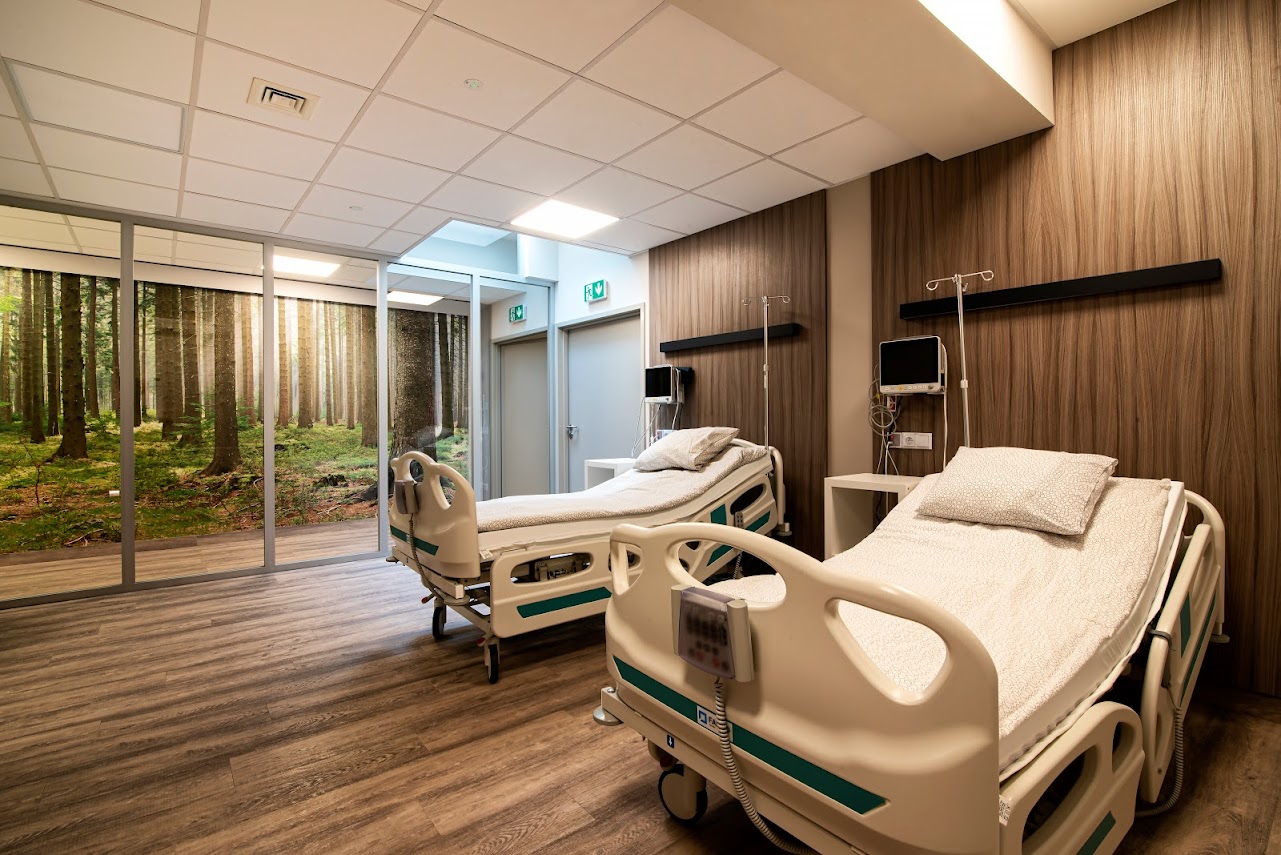
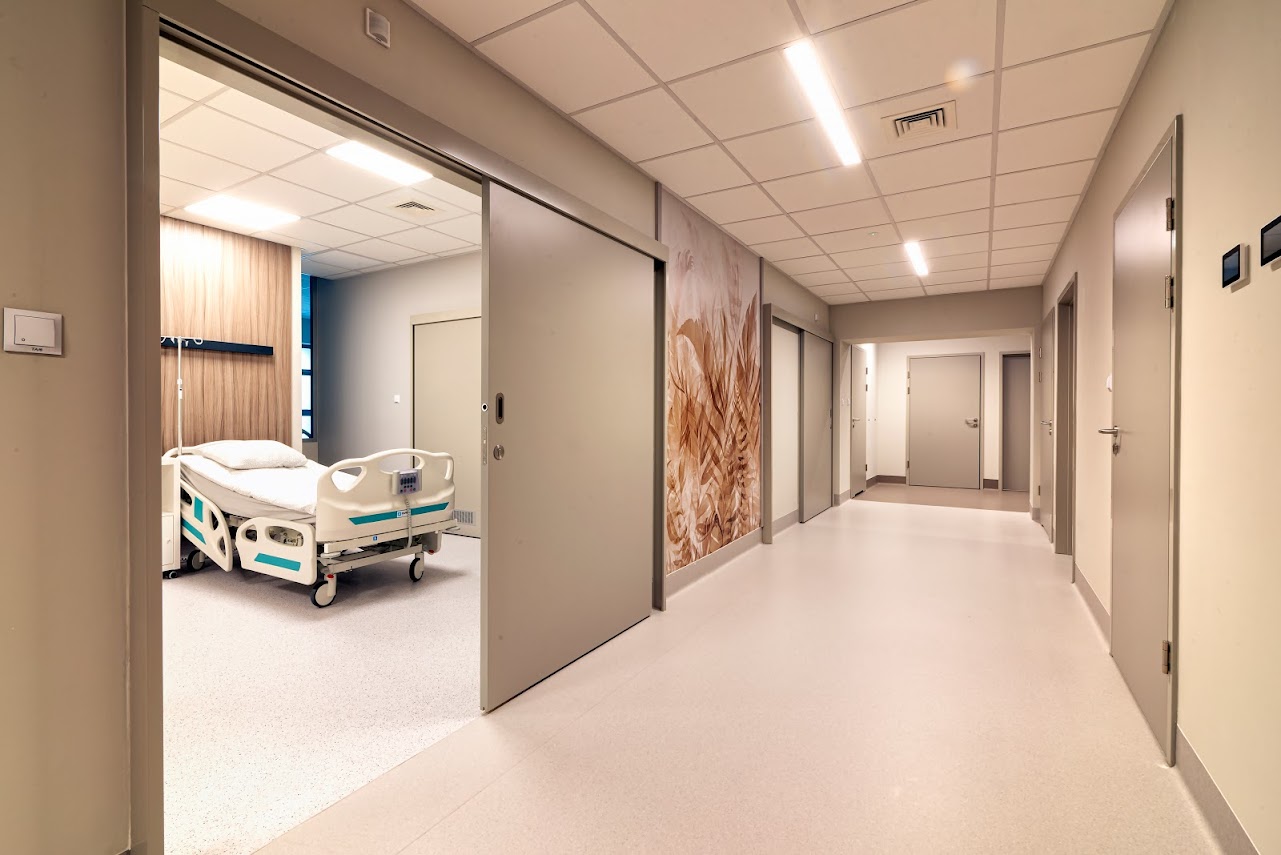
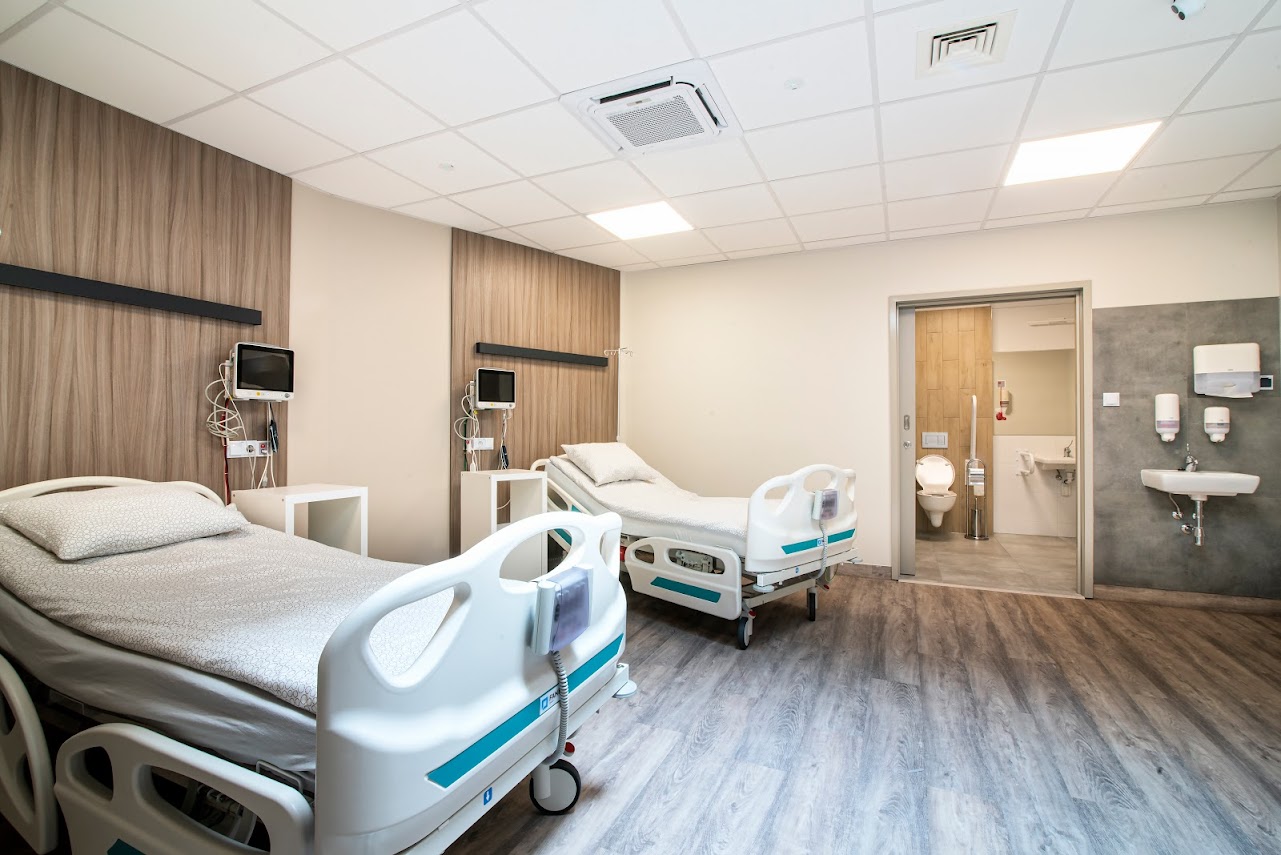
  • Excellent facility conditions
  • Care by a specialized nursing staff
  • Comprehensive postoperative care

Price list

Treatment Price List

Umbilical hernia surgery

7 000 - 13 000€

Unilateral inguinal hernia surgery

7 000 - 15 000€

Surgery for linea alba hernia

7 000 - 25 000€

Surgery for scrotal hernia

7 000 - 15 000€

Surgery for recurrent or postoperative hernia

9 500 - 25 000€

Surgery for complicated hernia

9 500 - 25 000€

Laparoscopic unilateral hernia surgery

8 700 - 18 000€
Contact
Book an appointment at Wilmed

FAQ

What is a hernia?
A hernia (Latin: hernia) is a soft protrusion formed as a result of the contents of a body cavity escaping through an internal opening in the body wall. The opening occurs in an area of reduced resistance. In the case of the abdomen, for example, a segment of the intestine may protrude through it. However, there are also brain, spinal cord, lung, and other organ hernias. Our specialists treat abdominal hernias, which are those where the hernia sac forms due to displacement of organs from the abdominal cavity. This is a common condition affecting both men and women. The following types of abdominal hernias are distinguished: inguinal, femoral, umbilical, linea alba, and postoperative.
What are the risk factors for hernia development?
The most common risk factors for hernia occurrence include weakening of the abdominal wall, increased intra-abdominal pressure, prolonged physical exertion, obesity, previous pregnancies and surgeries, as well as other diseases, e.g., large intestine disorders.
Causes of hernia formation
The causes of hernia formation are considered to be: disorders in the synthesis and degradation of collagen fibers, abnormal structure and defects in anatomical structures, and complications of abdominal surgical procedures.
How does a hernia manifest?
The main symptom is a soft lump at the hernia site, pain, burning, and a feeling of “pulling” when pressing the lump. Pain may also radiate to other areas of the body during physical exertion, coughing, bowel movements, and even prolonged standing or sitting.
How to recognize a hernia?
The inguinal hernia is the most common type of hernia. It occurs when the contents of the abdominal cavity move through an opening located in the groin area. Two subtypes are distinguished: indirect and direct. The indirect type occurs when the hernia sac protrudes through the canal toward the scrotal sac. It can enter the scrotum and cause significant enlargement. The direct type concerns the situation where the hernia sac passes through the external inguinal ring via an opening located in the posterior abdominal wall. The opening is located medially to the inferior epigastric vessels, which means the hernia does not descend into the scrotum and is usually small. Early warning signs of this condition include a dull ache in the groin area, especially after physical exertion, coughing, or bowel movements. This indicates the hernia entering the inguinal canal. Initially, the protrusion is visible and retracts spontaneously or after gentle pressure. A femoral hernia occurs when the contents of the abdominal cavity move through an opening located below the inguinal ligament. It occurs almost exclusively in women. It appears as a bulge on the thigh below the inguinal ligament. It is small, usually measuring a few centimeters in diameter. An umbilical hernia occurs when the contents of the abdominal cavity move through an opening located at the site of the umbilical vessels. It is most often congenital. It also appears in obese women. It presents as a bulge increasing from a few to several dozen centimeters in or near the navel. A linea alba hernia – the linea alba is the junction of the abdominal muscles on both sides, located between the sternum and the pubic symphysis. A linea alba hernia occurs when the contents of the abdominal cavity move through an opening located precisely in the linea alba. It appears as a bulge at the muscle junctions of the abdomen. Initially, it may not cause clear symptoms – the patient feels mild pain in the epigastric and navel area. Symptoms may worsen after intense physical effort, coughing, or bowel movements. Then the lump is easily palpable under the skin. A postoperative hernia occurs when the contents of the abdominal cavity move through an opening located in a postoperative scar. It is a complication of previous abdominal surgeries. The hernia sac passes through an opening caused by tissue weakening at the site of the scar from the earlier operation.
Who is at risk of developing an abdominal hernia?
The most at risk are individuals: with significant overweight, having considerably weaker connective tissue, performing activities requiring lifting and carrying heavy loads that strain the abdominal muscles, suffering from constipation and chronic bronchopulmonary diseases, men having urinary problems due to prostate enlargement, women during pregnancy. Very important: Do not delay visiting a specialist if a hernia is suspected. Neglecting prompt diagnosis and treatment will cause the problem to grow larger and thus more difficult to operate on. Hernias do not resolve spontaneously or without surgery; on the contrary – they enlarge, intensifying associated symptoms. The only way to cure a hernia is surgery. All types of compression belts should be used only in patients who, for some reason, cannot undergo surgery. The condition, besides cosmetic defects and pain symptoms, can cause serious complications. The greatest danger arises when intestinal pressure at the hernia opening leads to obstruction and then intestinal necrosis. Such a situation requires emergency surgery. Delaying planned surgery exposes the patient to the risk of hernia incarceration, which in elderly patients and those with other diseases poses a direct threat to life. The smaller the hernia, the less extensive the surgery and the shorter the recovery time.
What symptoms accompany a hernia?
General symptoms and complaints associated with the formation and presence of hernias include: pain, pulling sensation, burning feeling or lump, pain radiating during exertion, and in cases of large hernias: breathing difficulties, weakened peristalsis.
Hernia surgery – where to have the procedure in Warsaw?
Hernias are conditions that affect an increasing number of people. Unfortunately, there is no other way to cure a hernia than surgery. Fortunately, modern medicine offers advanced and effective surgical methods today. Many medical facilities provide hernia removal procedures. So where should you go if you want to have such a procedure done in Warsaw? Which facility should you choose? Our article can help you select the right clinic. Therefore, be sure to read its content!
Hernia surgeries in Warsaw – where are they offered?
If we take a moment to explore the topic, we will quickly find that various clinics in Warsaw offer hernia surgeries. However, remember that choosing the right place should never be random. We must keep in mind that this procedure is performed using different methods, and also that the quality of such medical services varies greatly. Therefore, if you want to avoid disappointment, it is always worth carefully selecting the clinic where you will undergo the procedure.
Hernia surgeries in Warsaw – where to ultimately go?
Where then should one go to get rid of a hernia? Where in Warsaw can we receive proper support in this regard? Certainly, our attention should focus on professional clinics that operate successfully in the market and employ qualified specialists. Of course, it is important that the price of the procedure aligns with our financial capabilities. However, we must remember that the highest priority is the quality of services, as well as the experience of specialists in performing this type of procedure. Additionally, it is also worth checking the reputation of individual facilities among other patients. This should not be difficult, especially since we have the Internet at our disposal, along with search engines. Typing the phrase hernia surgery reviews in the search field will allow us, within seconds, to find out which clinics enjoy an impeccable reputation among patients and which are better to avoid. It is worth noting that just a few such reviews are enough to form your own opinion and determine where it is worth going for hernia surgery.
Hernia surgery at the WILMED clinic in one day, without pain and long recovery
At the WILMED clinic, experienced surgeons with many years of expertise use a hernia treatment method involving surgery with a polypropylene mesh. In such an operation, the tissue defect forming the hernia gate is not closed by pulling the patient's own tissues together but is covered without tension by a mesh. Over time, the mesh integrates with the surrounding tissues, creating a strong barrier against recurrence of the condition. The introduction of modern anesthetic drugs with minimized side effects and the use of synthetic materials in surgery have opened entirely new possibilities for patients suffering from such conditions: hospitalization time is shortened – patients can return home just a few hours after the procedure, avoiding the unpleasant hospital environment and related inconveniences; the use of polypropylene meshes avoids tissue tension during surgery, which minimizes pain (the so-called "tension free" method); recovery time to full activity in traditional surgical methods was measured in months, whereas in this case, return to work and daily activities is possible after 7 days; the recurrence rate after such surgery does not exceed 1%, while traditional methods have rates of 10-20%; the "tension free" method also allows performing these procedures in elderly patients or those with other serious conditions. Anesthesia for this operation is less burdensome than in traditional methods.
Surgical procedures in the case of hernia
Every referral for hernia surgery must be preceded by a surgical consultation during which the specialist surgeon will assess the possibilities and contraindications for the operation. In some cases, a cardiology or internal medicine consultation is also required in addition to the surgeon's referral. Before surgery, doctor-recommended blood tests and an ECG are performed. The patient must also sign consent for surgical treatment and anesthesia. The operation is most often performed under local anesthesia with intravenous sedation. Before the procedure, the patient receives a medication that relaxes (reduces nervous tension) and induces sleep. This medication usually causes patients not to remember the operation itself or any associated sensations. Local anesthesia does not block sensations such as pulling of one's own body and touch in the operated area, but it does block pain. Depending on the type and location of the hernia, the doctor may decide to use spinal anesthesia. In the case of laparoscopic hernia surgery, the procedure is performed under general anesthesia. Hernia repairs using the "tension free" method are performed with polypropylene mesh. In such an operation, the tissue defect forming the hernia gate is not closed by pulling the patient's own tissues together but is covered without tension by a mesh. The operation lasts about 1–2 hours. After surgery, the patient remains in the clinic under individual nursing care for about 6-12 hours and can then independently return home. Two postoperative follow-up visits are scheduled with the specialist surgeon. Return to work that does not require physical effort is possible after 7-10 days, and heavier physical loads after 1 month. Ask our specialists performing modern hernia surgeries about treatment methods for your condition. We invite you to surgical consultations at the WILMED Clinic in Warsaw.

Contact

Call us

Address

ul. Wiktorii Wiedeńskiej 9a lok.U2
02-954 Warszawa - Wilanów

Data Protection Officer
Katarzyna Mączyńska - MBRK
[email protected]

Opening hours

Monday to Friday
from 08:00 to 20:00