


Comprehensive Pain Management
Based on global standards
What is pain?
Pain is an extremely complex phenomenon. The International Association for the Study of Pain defines it as „an unpleasant sensory and emotional experience associated with actual or potential tissue damage.”
It should be noted, however, that many patients may experience pain symptoms of psychological origin, resulting from their own emotions arising during difficult life events or conflicts. Attention is also drawn to the subjective nature of pain.
Pain, although it has an evolutionary significance as a danger signal and triggers a flight response, has been described by the European Federation of the International Association for the Study of Pain as a disease and a major health problem in Europe.
- Utilizing comprehensive pain treatment is important because it not only alleviates symptoms but also identifies their cause and implements effective, safe, and long-lasting solutions.
Specialized care can improve quality of life, restore physical activity and daily comfort, and prevent the chronic worsening of the problem.
Zadzwoń do nas
Integrated pain treatment model
To ensure maximum effectiveness of chronic pain therapy at the Wilmed Clinic, we use an integrated treatment model that includes the following elements:
- Consultation
The consultation model is based on a comprehensive approach to the problem of chronic pain. An individualized treatment plan is prepared based on the assessment of diagnostic tests and the individual needs indicated by the patient. The therapeutic program includes a combination of various complementary treatment methods.
- Pharmacotherapy
In the treatment of pain syndromes, medications are one of the key methods of assistance. The selection of pharmacotherapy takes into account the optimization of available drugs, considering the patient’s expectations, previous experiences with various medical substances, and plans for short- and long-term pharmacotherapy.
- Supplements
Appropriate selection of supplements plays a significant role in the treatment of chronic pain. For some patients intolerant to pharmacotherapy, this may be the primary therapeutic method. Supplements aim to support the body’s natural ability to regenerate and stimulate internal repair mechanisms as well as analgesic and anti-inflammatory processes. This therapy usually requires patience and time but can significantly improve quality of life.
- Emotional and cognitive aspects of pain
Pain syndromes can significantly impair emotional regulation, reduce cognitive abilities and concentration, and cause circadian rhythm disturbances, especially sleep problems. Emotional aspects related to pain significantly affect the deterioration of daily quality of life and often become the dominant problem. Therapy for emotional disorders and sleep is one of the pillars in the treatment of pain syndromes.
- Neuroregeneration
Pain perception depends on the activity level of the central nervous system. The brain’s ability to select pain stimuli allows for raising pain thresholds and significantly reducing the intensity of perceived pain. Neuroregeneration helps improve the brain’s modulatory capabilities regarding pain perception.
- Body and mind unity (Body & mind connection)
From a holistic perspective, the body and mind are connected and form a unity. Therefore, pain perception reflects similar processes occurring in the mind and ways of thinking. This usually concerns psychological conflicts and difficult life situations that are unresolved or cannot be resolved.
- Spinal block
A spinal block is a minimally invasive procedure involving the administration of anti-inflammatory and analgesic medication to the spinal joints and their innervation or nerve root under X-ray guidance.
Indications for the block include spinal pain in any segment – lumbar, thoracic, and cervical – as well as limb pain caused by nerve root compression. The procedure usually lasts about 15 minutes, with no functional limitations after the procedure.
- Thermolezja and peripheral nerve neuromodulation procedure
Thermolezja (radiofrequency ablation, RF ablation) is a minimally invasive procedure involving thermal damage to nerve branches of the spinal joints by applying high temperature (about 80 degrees Celsius).
The temperature is generated in tissues at the tip of an electrode placed in close proximity to pain-conducting nerves. The thermolezja procedure is performed under local anesthesia with X-ray guidance and lasts about 30 minutes. Thermolezja is used in patients who have improved after a spinal block or, for example, sacroiliac joint block. Improvement after the procedure can last from several months to several years.
-
Peripheral nerve neuromodulation procedure
The Pulsed Radiofrequency (PRF) method involves blocking pain signal conduction by modulation with current delivered through an electrode without permanent nerve damage.
The procedure can be applied in the treatment of many chronic pain syndromes, including:
- occipital neuralgia – headache in the occipital area radiating to the forehead;
- piriformis syndrome located in the gluteal region, which ensures proper biomechanics in the sacroiliac area, resulting from prolonged overload of this region;
- radicular limb pain such as sciatica or brachial neuralgia;
- peripheral nerve neuropathies – polyneuropathies, carpal tunnel syndrome, cubital tunnel syndrome;
- coccygeal pain (tailbone) – so-called coccydynia, a chronic pain syndrome in the coccyx area, mainly occurring in sitting position, less often standing. It occurs several times more often in women than men. It may be caused by trauma to the sacrococcygeal area, psychological stress, or a sedentary lifestyle;
- enthesopathies, i.e., pain at tendon attachments to bones, e.g., tennis elbow, golfer’s elbow;
- Treatment of trigeminal nerve pain/neuralgia, so-called suicide pain
Ablation or thermocoagulation of the nerve involves intentional damage to a nerve segment under imaging control to alleviate pain attacks.
Zadzwoń do nas
Types of pain
Considering the mechanism of pain development, we distinguish the following types:
- Nociceptive pain – pain arising from activation of receptors responding to heat, cold, vibration, stretching, and chemical compounds released by tissues due to inflammation, damage, or tissue hypoxia;
- Neuropathic pain – pain caused by damage and dysfunction of nerve cells in peripheral nerves or the central nervous system. Neuropathic pain can be caused by abnormal metabolic processes, mechanical injuries, infections, ischemia. Other factors causing this type of pain include nerve compression and abnormal processing of pain impulses by the spinal cord or brain;
- Mixed pain – a combination of the two types of pain described above.
Regarding duration, two types of pain can be distinguished:
- Acute – lasting less than 3 months, usually associated with mechanical injuries;
- Chronic – lasting longer than 3 months. Continuous or recurrent pain lasting longer than the natural healing time. The factors causing the pain may be impossible to identify.
Zadzwoń do nas
Specialists
Pain treatment methods depend on the type, intensity, and cause of the pain. Comprehensive pain treatment must include many methods individually tailored to the patient’s condition and needs.
The specialists responsible for pain treatment at the Wilmed Medical Center are:


Zadzwoń do nas
What Sets Us Apart
- Team of experienced specialists
- Access to modern treatment methods
- Holistic approach to the patient
- Possibility of comprehensive diagnostics
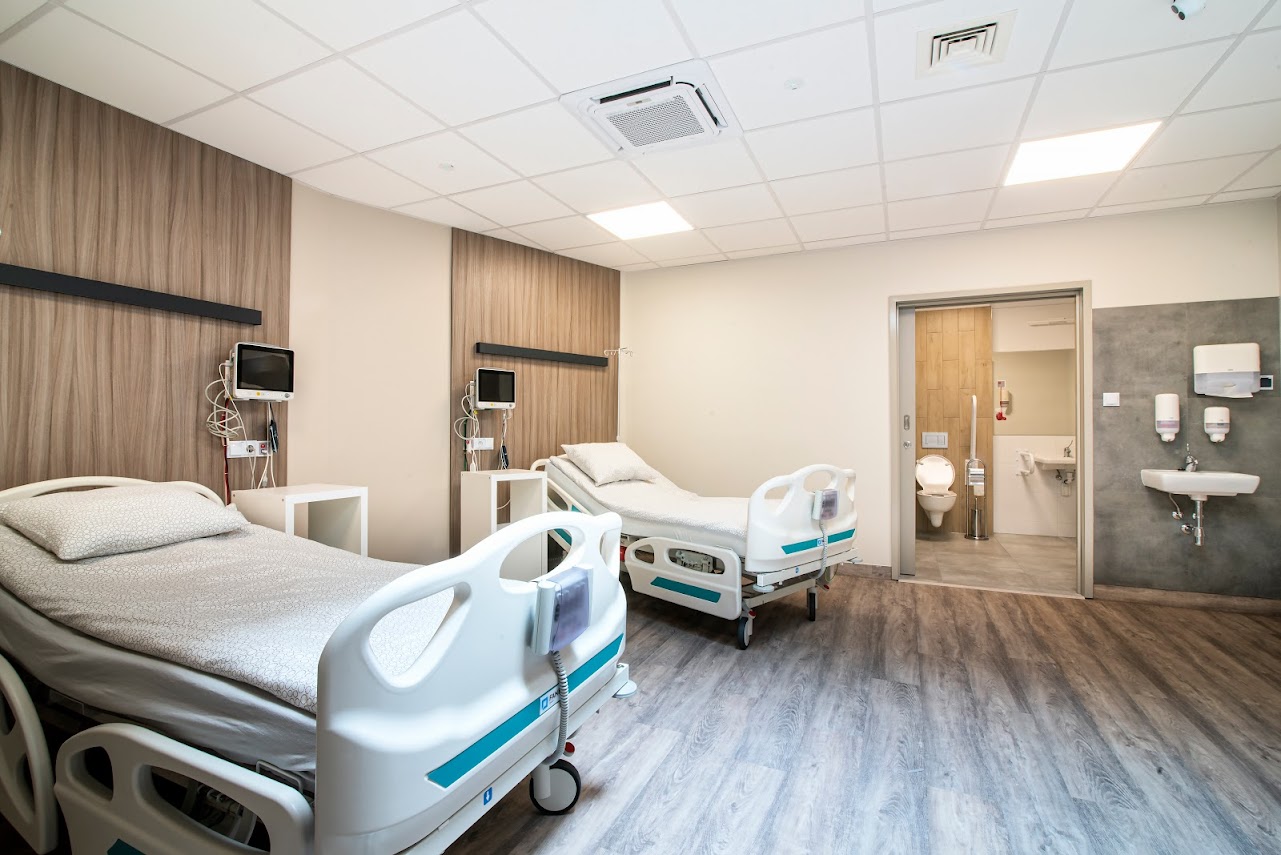
- Excellent conditions for staying at the facility
- Care by a specialized nursing staff
- Comprehensive postoperative care
- Pain Treatment Clinic
Zadzwoń do nas
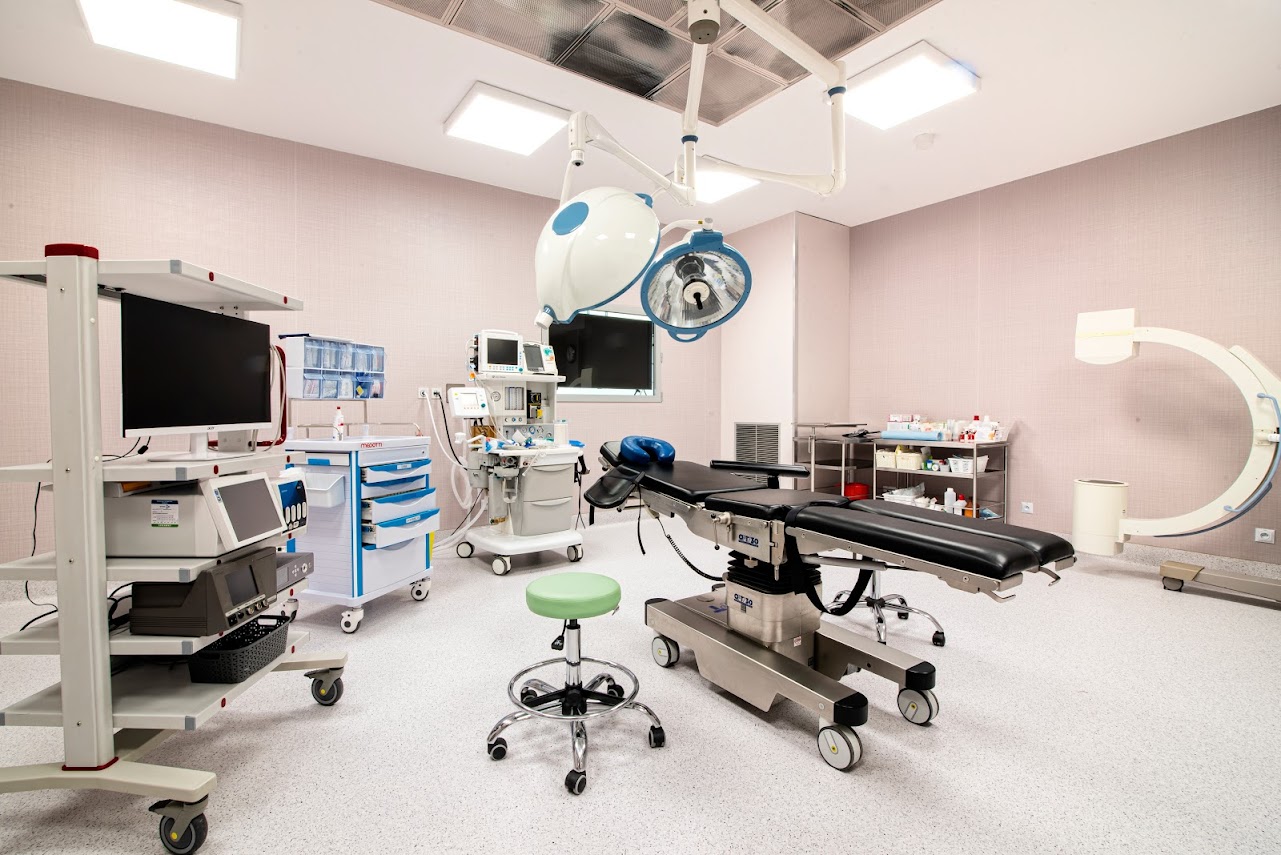
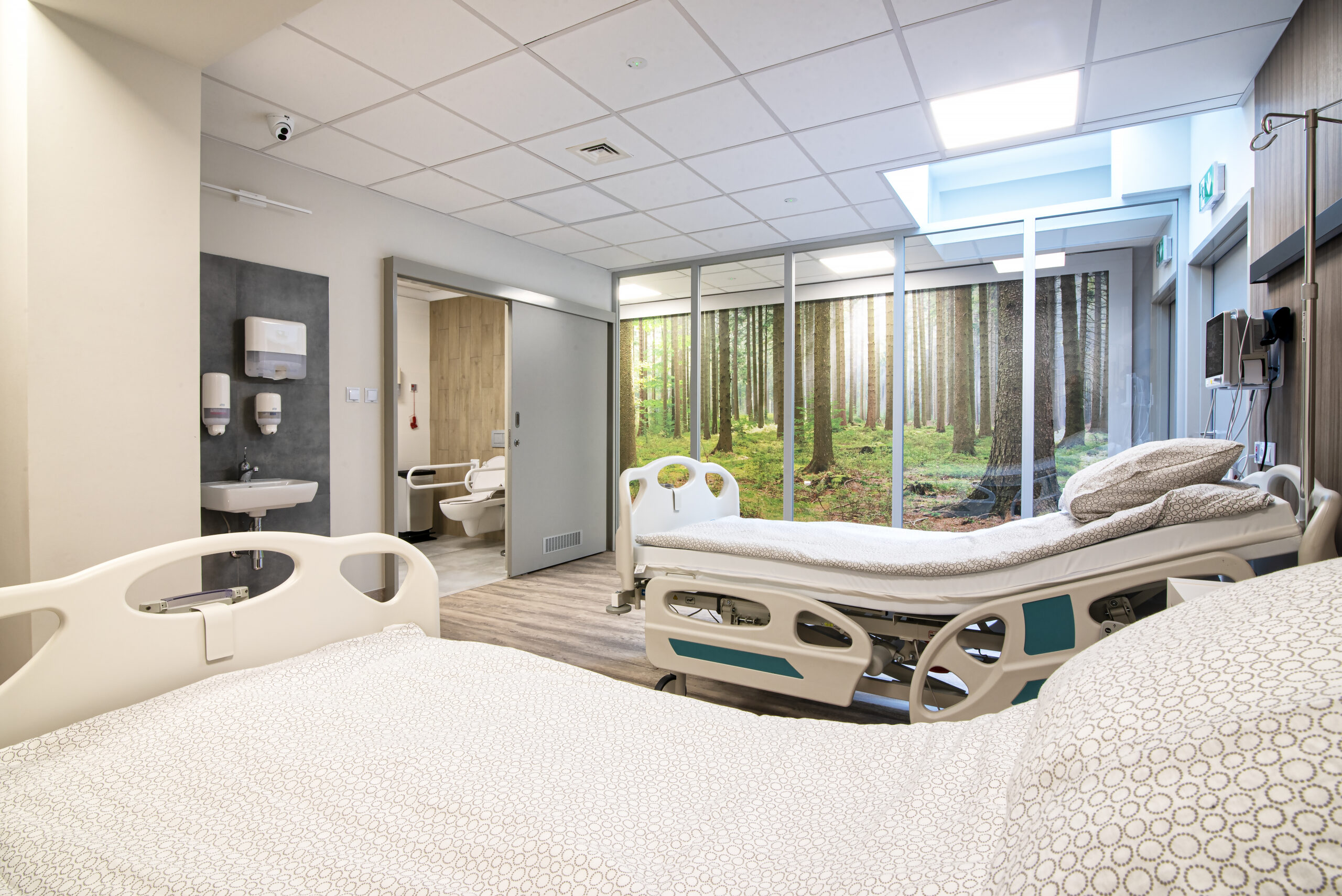
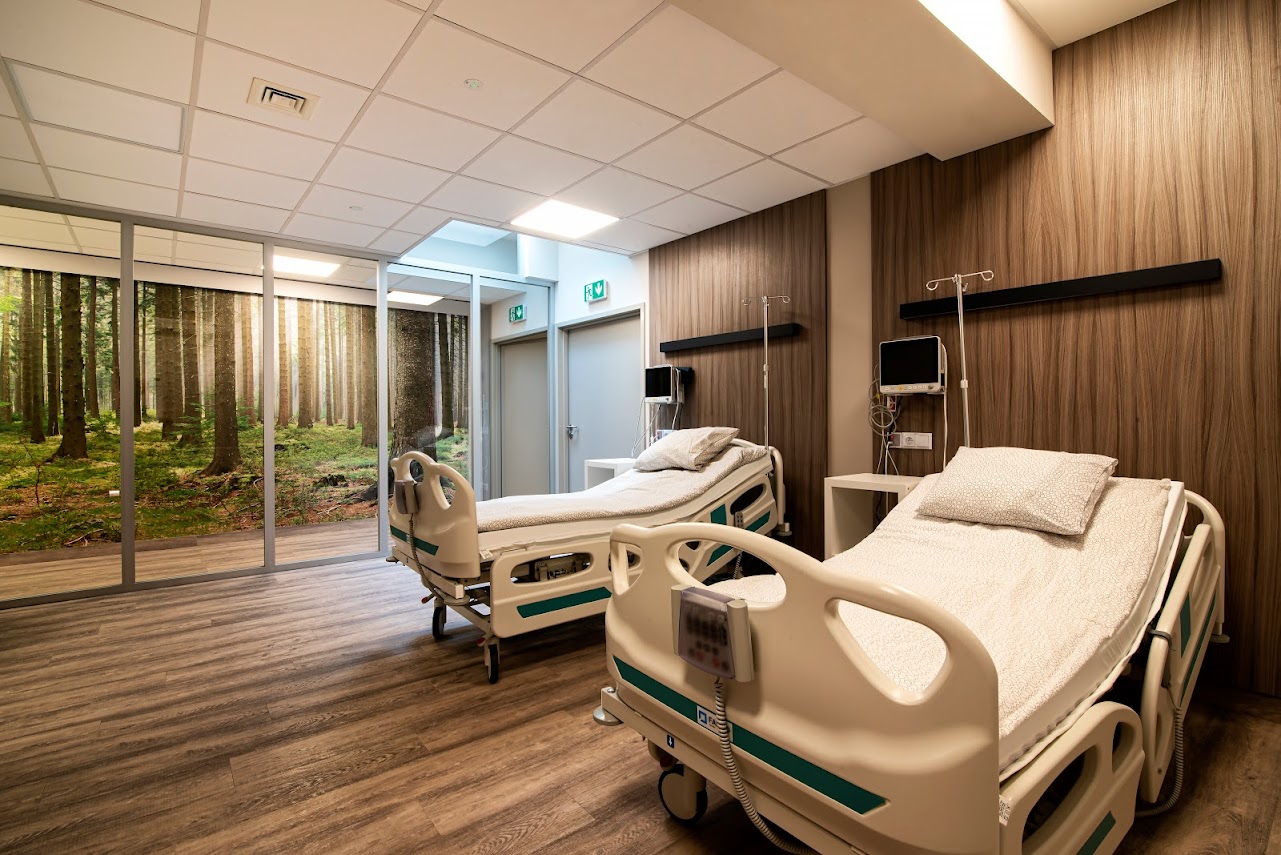
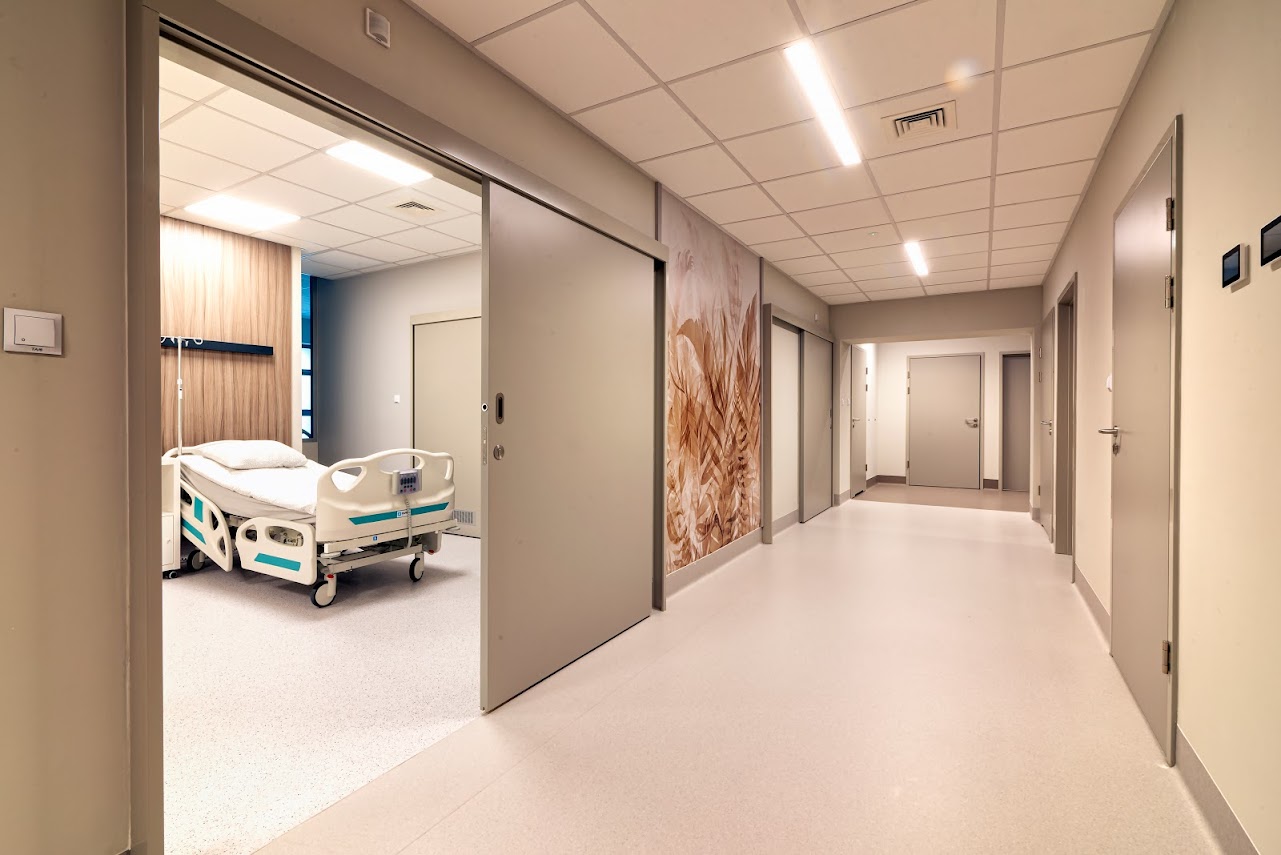
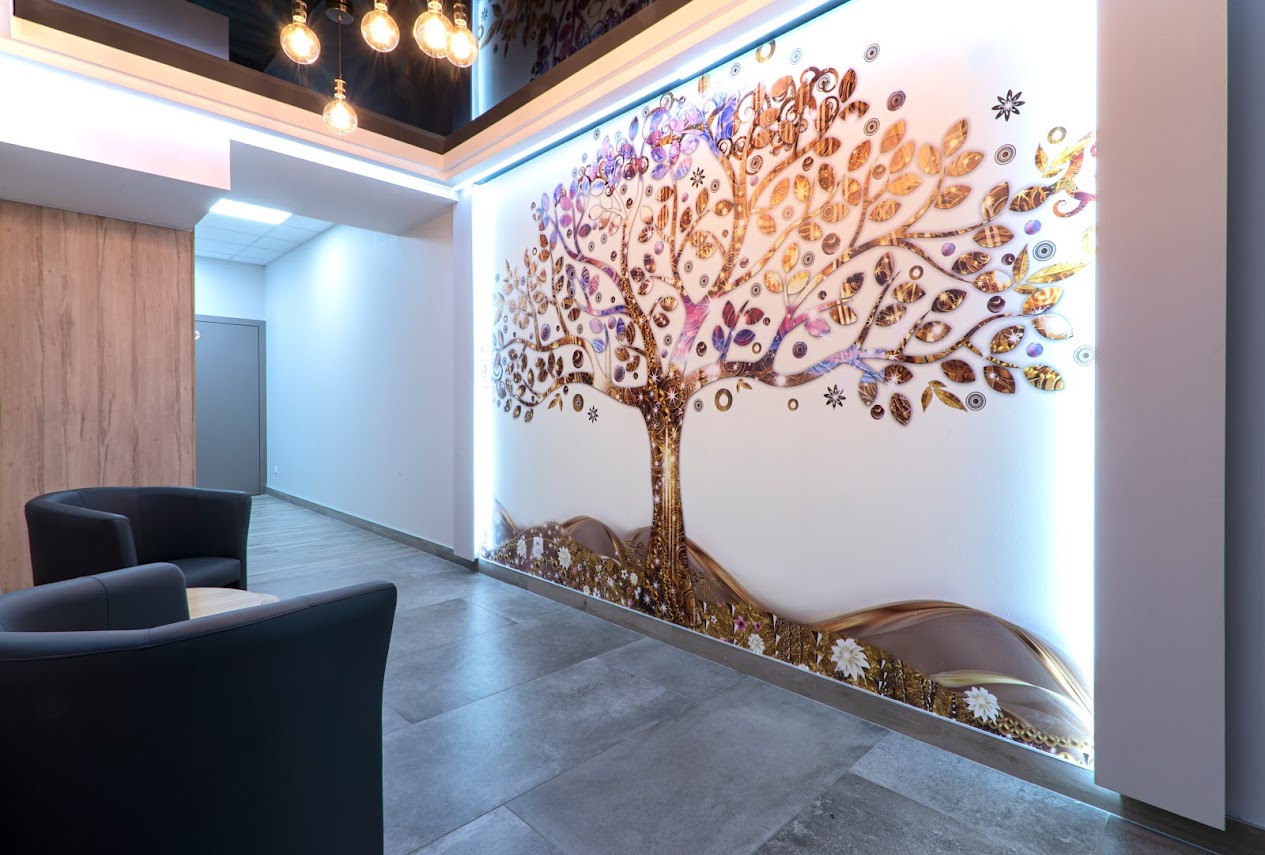
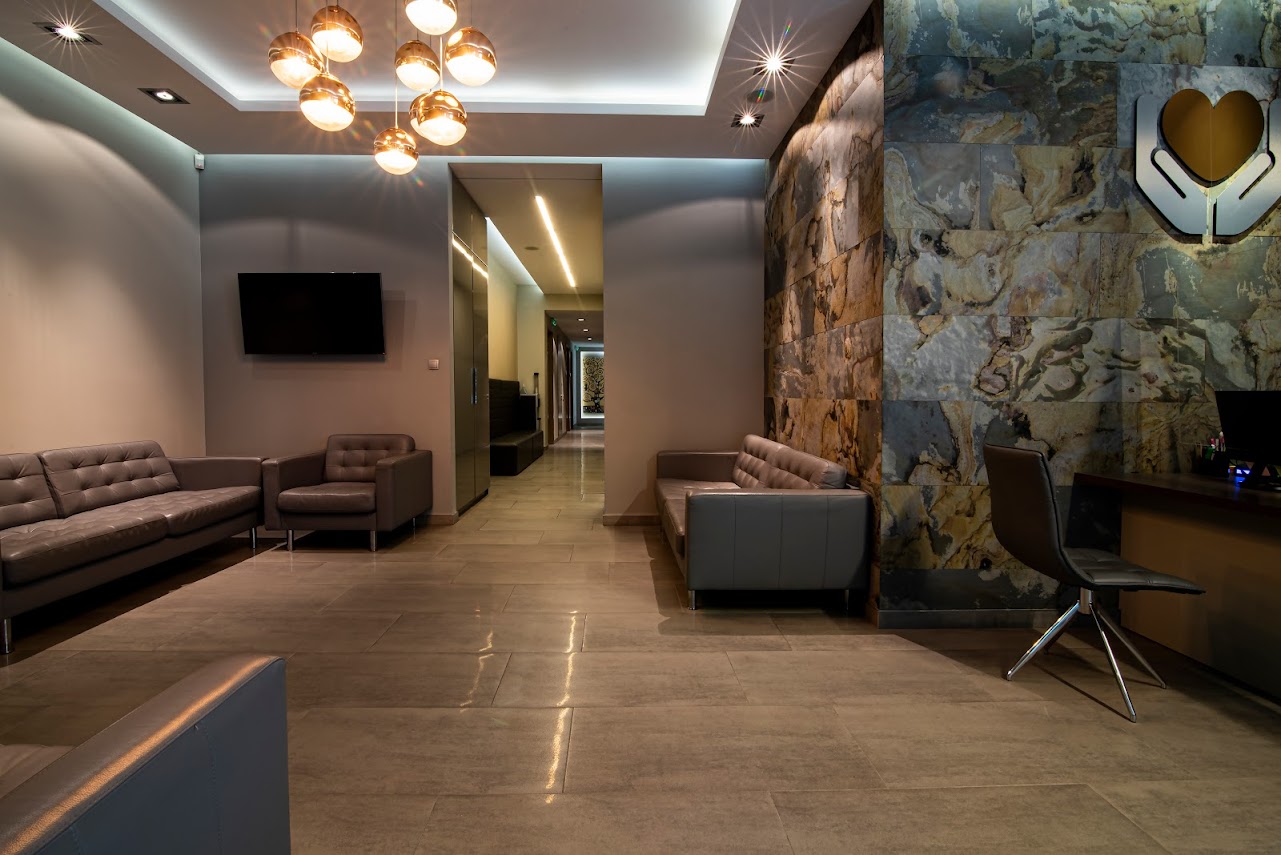
Interiors of the WILMED Medical Center and Hospital
Zadzwoń do nas
Price list
Cennik zabiegów
Spine thermolesion
Steroid pain-relief joint block under X-ray guidance
Periradicular block
Vertebroplasty 1 level
Microdiscectomy
Minimally invasive treatment method for discopathy – Discogel
Zadzwoń do nas
FAQ
Who are these procedures intended for?
How are these procedures performed?
Is the procedure painful?
How long does the effect of the procedure last?
Are the procedures safe?
Can the procedure be repeated?
Where to go to treat pain in Warsaw?
Pain treatment in Warsaw – where can you go?
Pain treatment in Warsaw – where to ultimately turn?
Pain treatment at the WILMED clinic – fast, effective, holistic
Kontakt
Zadzwoń do nas
Skontaktuj się z nami
Adres
ul. Wiktorii Wiedeńskiej 9a lok.U2
02-954 Warszawa - Wilanów
Inspektor danych osobowych
Katarzyna Mączyńska - MBRK
[email protected]
Godziny otwarcia
Od poniedziałku do piątku
w godzinach od 08:00 do 20:00