


Home /
Interventional treatment of discopathy
Minimally invasive discopathy treatment – effective relief from back pain
What is discopathy?
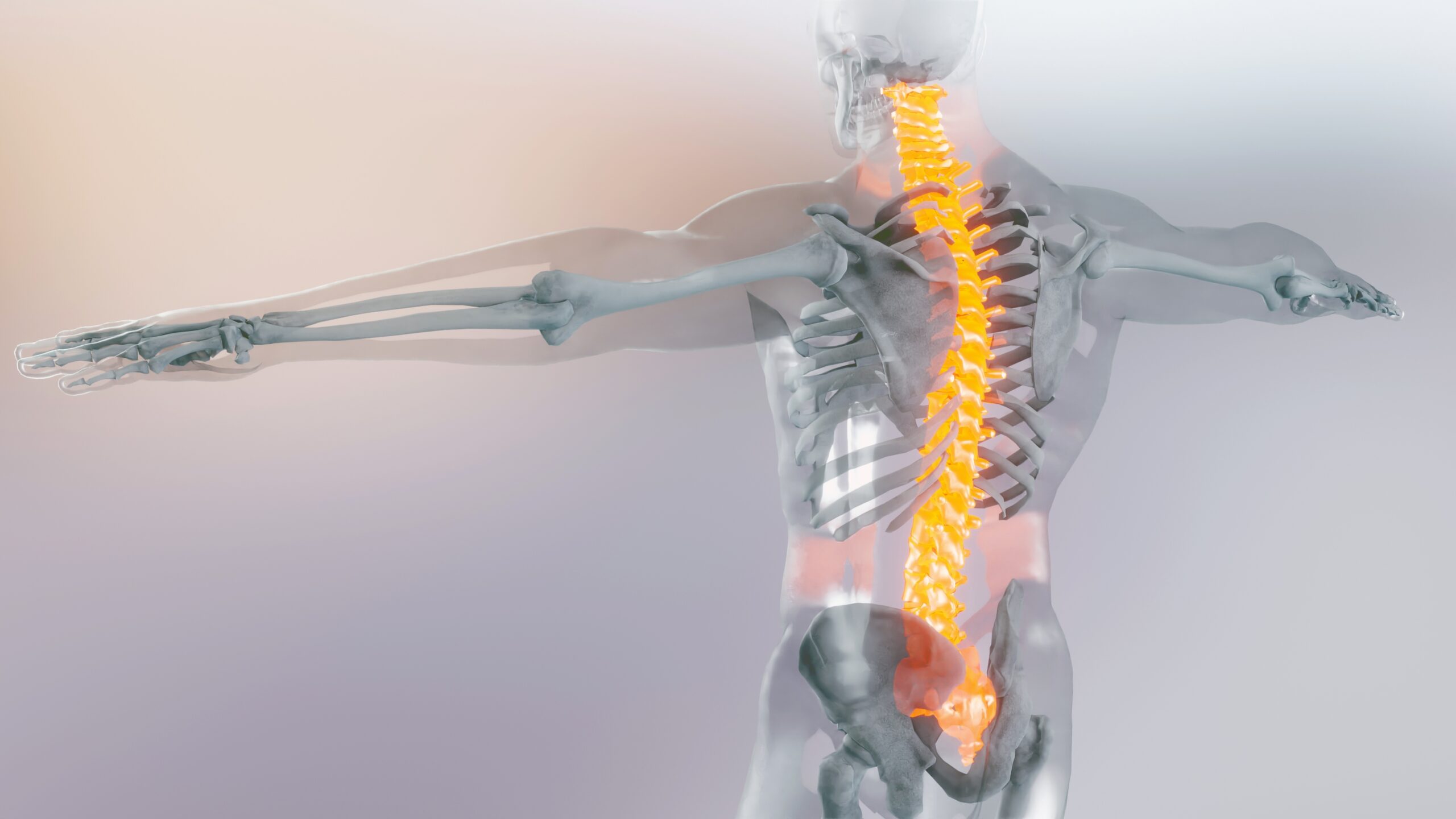
Discopathy, also known as a herniated disc, is a mechanical injury of the intervertebral disc.
Discopathy, meaning damage or degeneration of the intervertebral discs, is one of the most common causes of chronic back pain and limitations in daily activities. Discopathy can affect any section of the spine and cause pain radiating to the limbs, pelvis, shoulders, or chest. It most commonly occurs in the lumbar-sacral spine and cervical spine, and least often in the thoracic spine.
Modern, minimally invasive treatment techniques allow effective symptom relief, faster return to normal life, and minimize the risk of complications typical for traditional surgeries.
Call us
What does minimally invasive discopathy treatment involve?
Currently, modern, safe, and minimally invasive surgical methods are used to treat discopathy.
Minimally invasive procedures involve the precise removal or reduction of changes in the intervertebral discs using micro-instruments and imaging technology (e.g., endoscope).
These procedures require only a small skin incision through which a specially designed retractor is introduced, allowing minimally invasive access to the spine and removal of the herniated disc fragment that presses on nerves and causes pain.
After surgery, the patient requires only a few hours of hospitalization, usually returns home the same day, and quickly resumes daily activities and duties. The aesthetic outcome is also very important in such procedures – both endoscopic and minimally invasive surgeries leave only a small scar that heals to become almost invisible.
These procedures allow:
- maintaining spinal stability,
- limiting soft tissue damage,
- shortening recovery time,
- quickly restoring movement comfort and daily activity
Call us
Who is this solution for?
Minimally invasive treatment of discopathy is recommended for individuals who:
- experience chronic back pain or pain radiating to the legs,
- have a confirmed diagnosis of intervertebral disc changes,
- wish to avoid traditional open surgery or accelerate recovery after injury,
- require an effective and safe method with minimal surgical intervention.
Call us
Benefits of minimally invasive interventional treatment of discopathy
A modern approach to discopathy treatment combines the effectiveness of traditional surgery with patient safety and comfort. Thanks to minimal surgical intervention, these procedures are not only less taxing on the body but also ensure a quick return to an active life.
Rapid pain relief
precise intervention eliminates nerve compression and reduces inflammation.
Minimal invasiveness
small incisions and limited tissue damage accelerate healing.
Shorter recovery
return to daily activities is possible within a few days or up to 2-4 weeks.
Preservation of spinal function
stability and natural biomechanics of the spine remain intact.
Safe procedure
lower risk of complications compared to traditional surgeries.
Improved quality of life
greater freedom of movement, better sleep, and daily comfort.
Call us
Specialists
In cases where pain symptoms in the form of sciatica recur and are caused by large herniations, interventional treatment is recommended.
In such cases, conservative and rehabilitative treatment will not be effective.
The specialist performing minimally invasive discopathy treatments at Wilmed Hospital is:

Call us
Symptoms of discopathy
The main symptoms of lumbar discopathy are:
- Chronic or acute lower back pain that worsens with bending, sitting, coughing, or sneezing.
- Pain radiating to one or both lower limbs, known as sciatica.
- Burning, tingling, and numbness in the leg or perineal area.
- In severe cases, weakness (paresis) of one or both legs, foot drop, or even loss of sphincter control.
Symptoms of cervical discopathy are very similar to those of lumbar discopathy but affect the neck and upper limbs. In very advanced disease stages, similar symptoms may also occur in the lower limbs and sphincters.
Minimally invasive interventional discopathy treatment will help eliminate chronic back pain and restore full mobility through effective discopathy therapy.
Call us
What factors can potentially influence the onset of discopathy?
Discopathy is a condition that affects people of all ages, but most commonly those between 30 and 55 years old. The main factors contributing to the development of this condition are:
- a sedentary lifestyle,
- lack of physical activity,
- spending many hours in front of a computer,
- obesity,
- stress,
- improperly performed forward bending work,
- incorrect lifting of heavy objects combined with torso twisting.
Call us
What Sets Us Apart
- A team of experienced specialists
- Access to modern treatment methods
- Holistic approach to the patient
- Possibility of comprehensive diagnostics
- Excellent facility conditions
- Care by a specialized nursing staff
- Comprehensive postoperative care
Call us
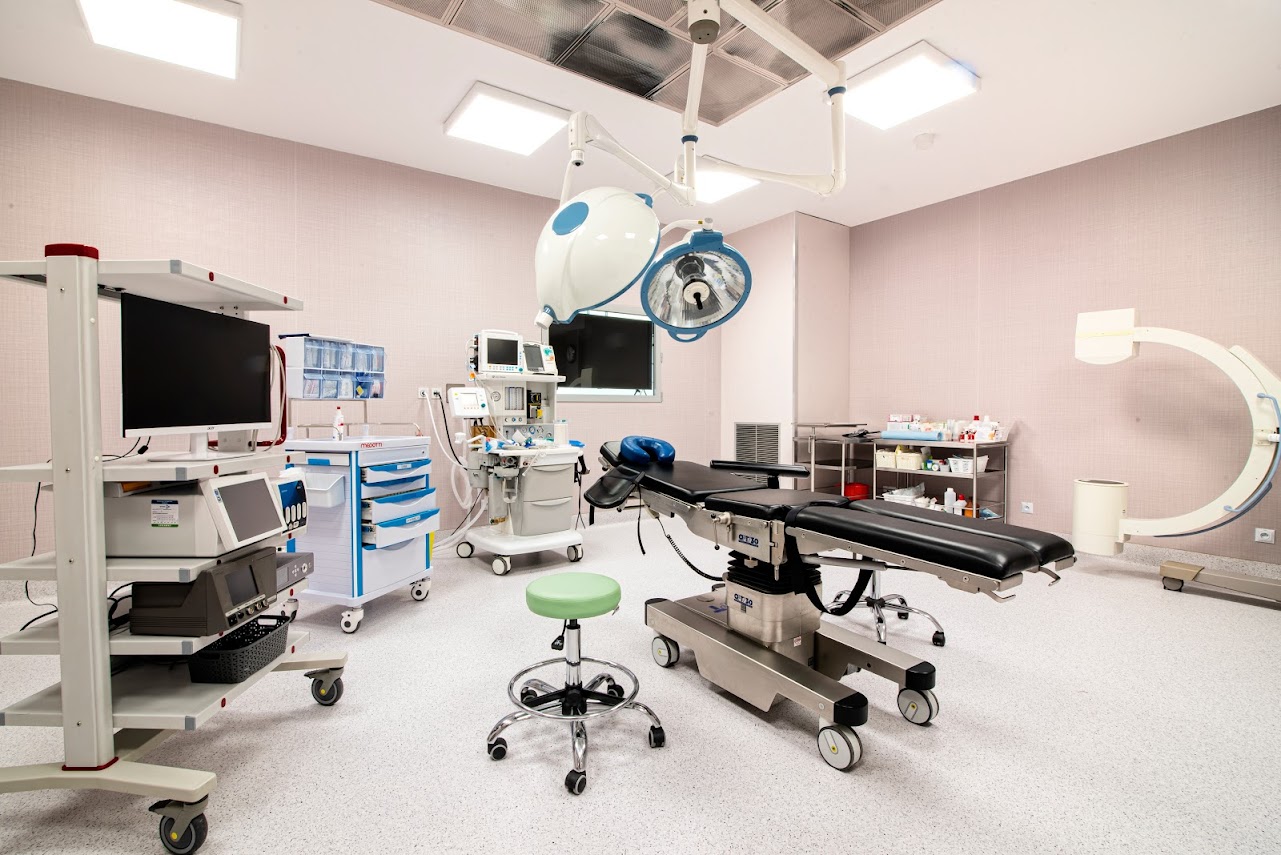
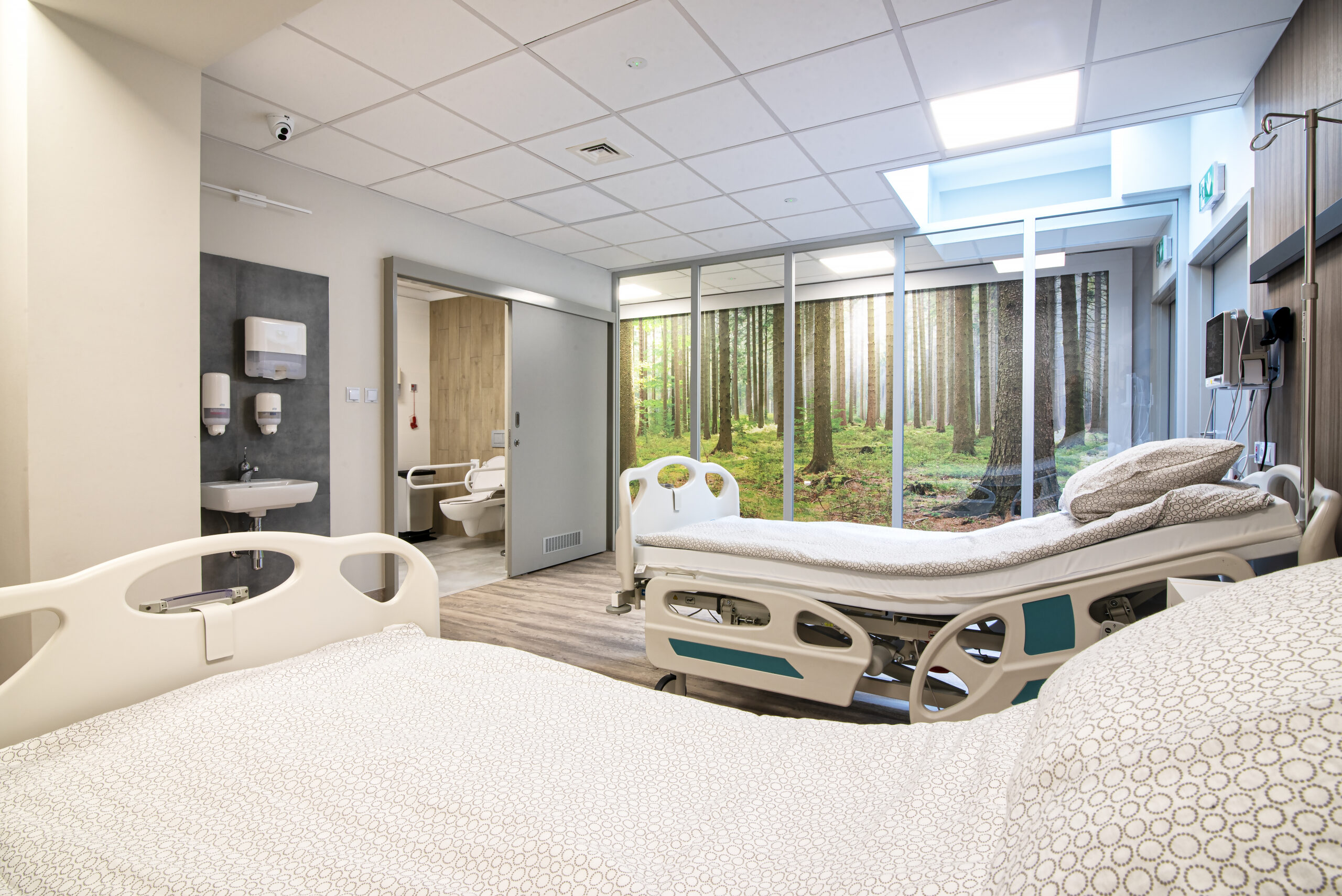
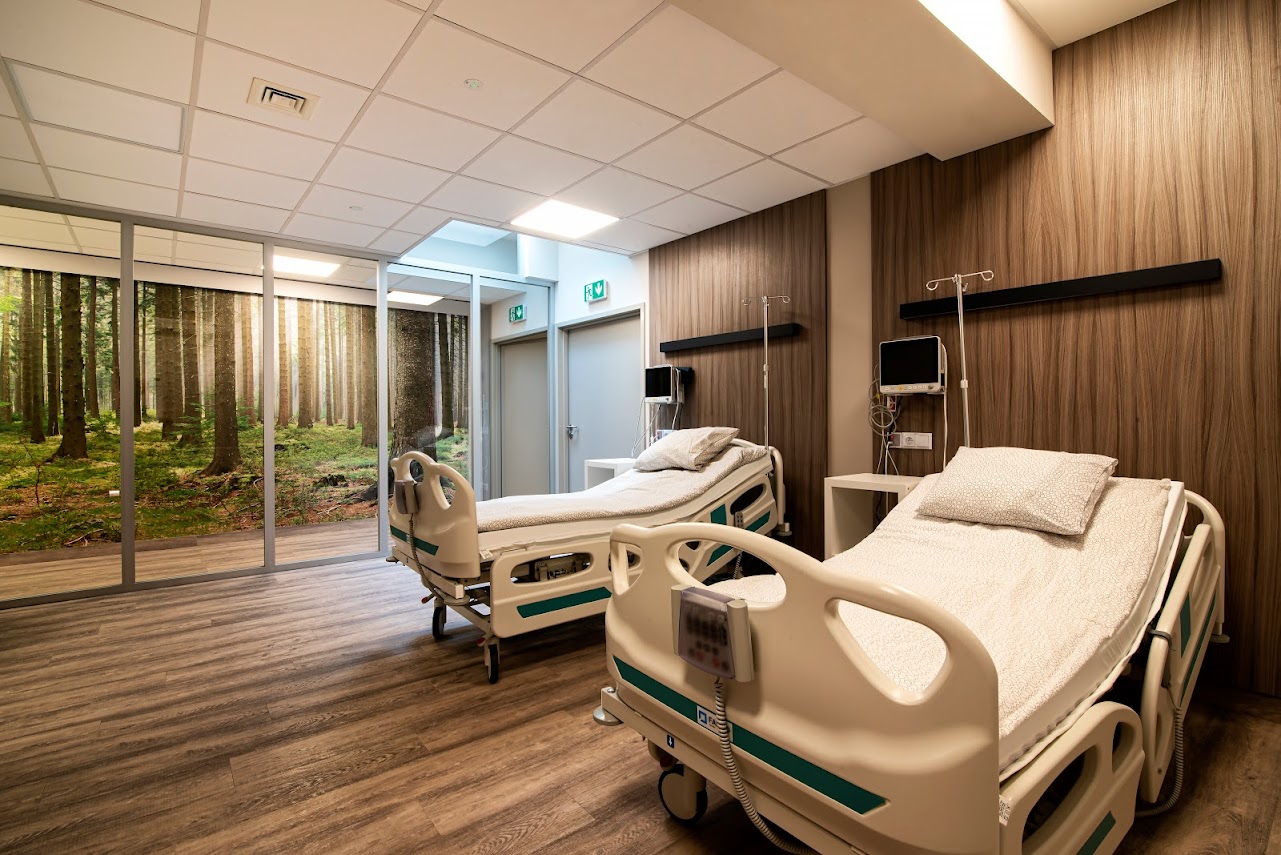
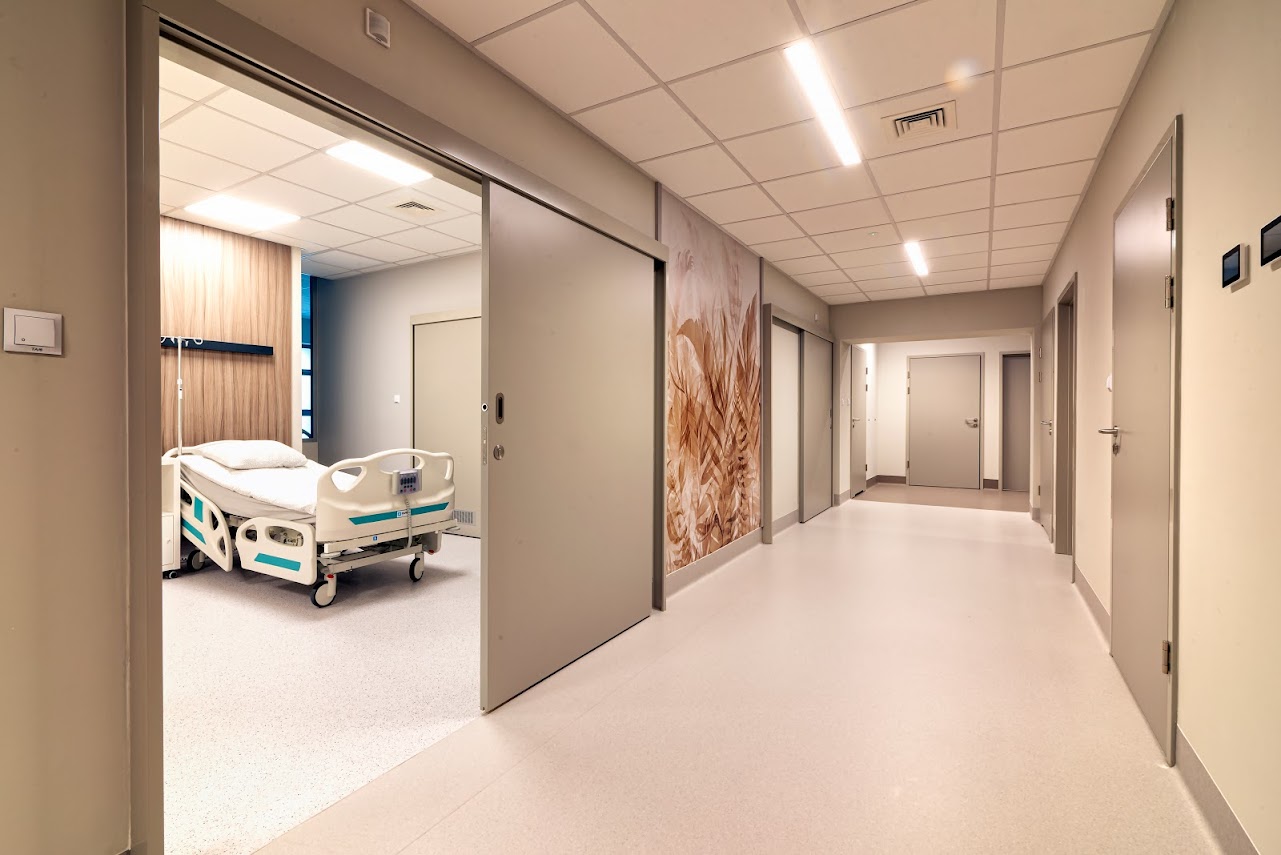
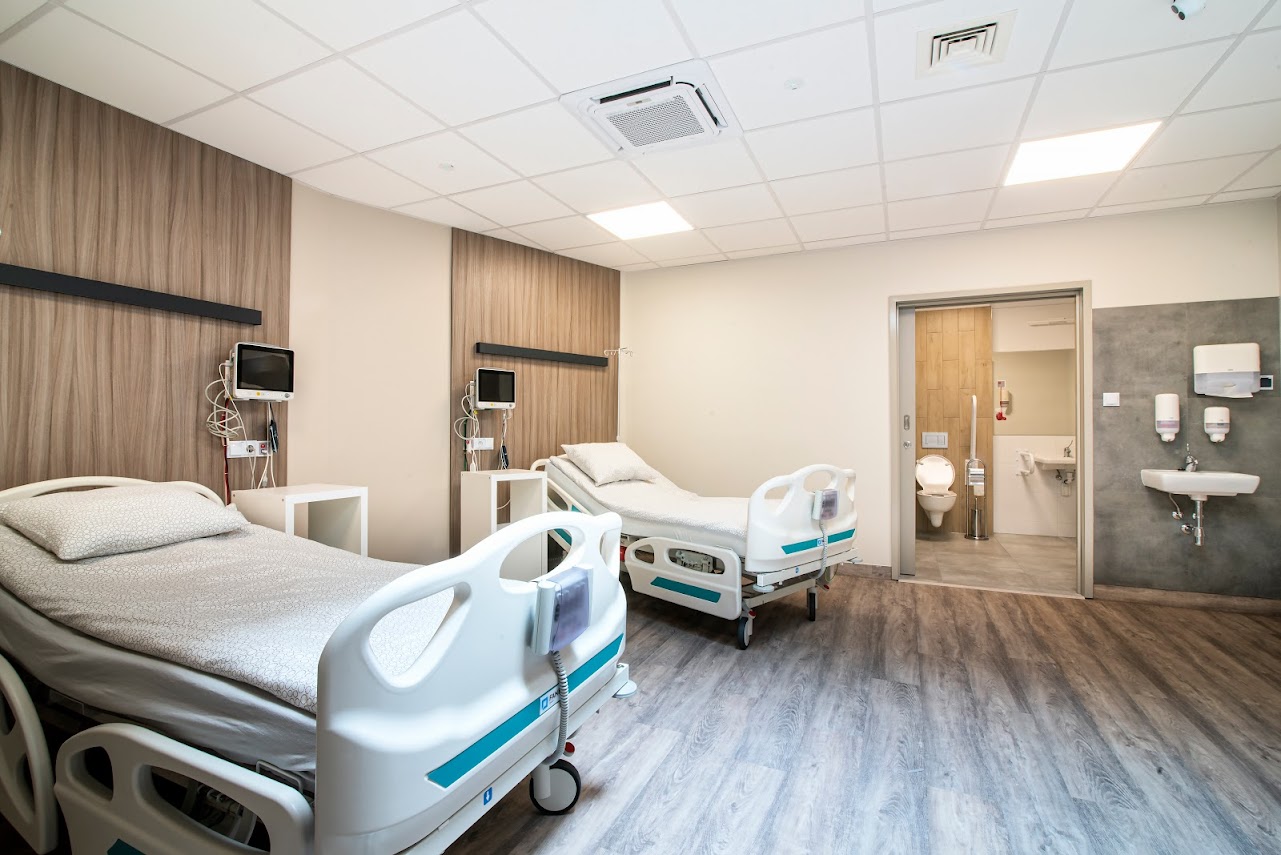
Interiors of the WILMED Hospital
Call us
Price list
Treatment Price List
Microdiscectomy
Minimally invasive treatment method for discopathy – Discogel
Call us
FAQ
How is the spine constructed?
Is the procedure painful?
What does the recovery process look like?
Is the effect of the procedure permanent?
Is the procedure safe?
Discopathy treatment – where to have the procedure in Warsaw?
Procedural treatment of discopathy in Warsaw – where is it offered?
Procedural treatment of discopathy in Warsaw – where to ultimately go?
Procedural treatment of discopathy at WILMED clinic and hospital in one day, without pain and long recovery
Contact
Call us
Contact us
Address
ul. Wiktorii Wiedeńskiej 9a lok.U2
02-954 Warszawa - Wilanów
Data Protection Officer
Katarzyna Mączyńska - MBRK
[email protected]
Opening hours
Monday to Friday
from 08:00 to 20:00