


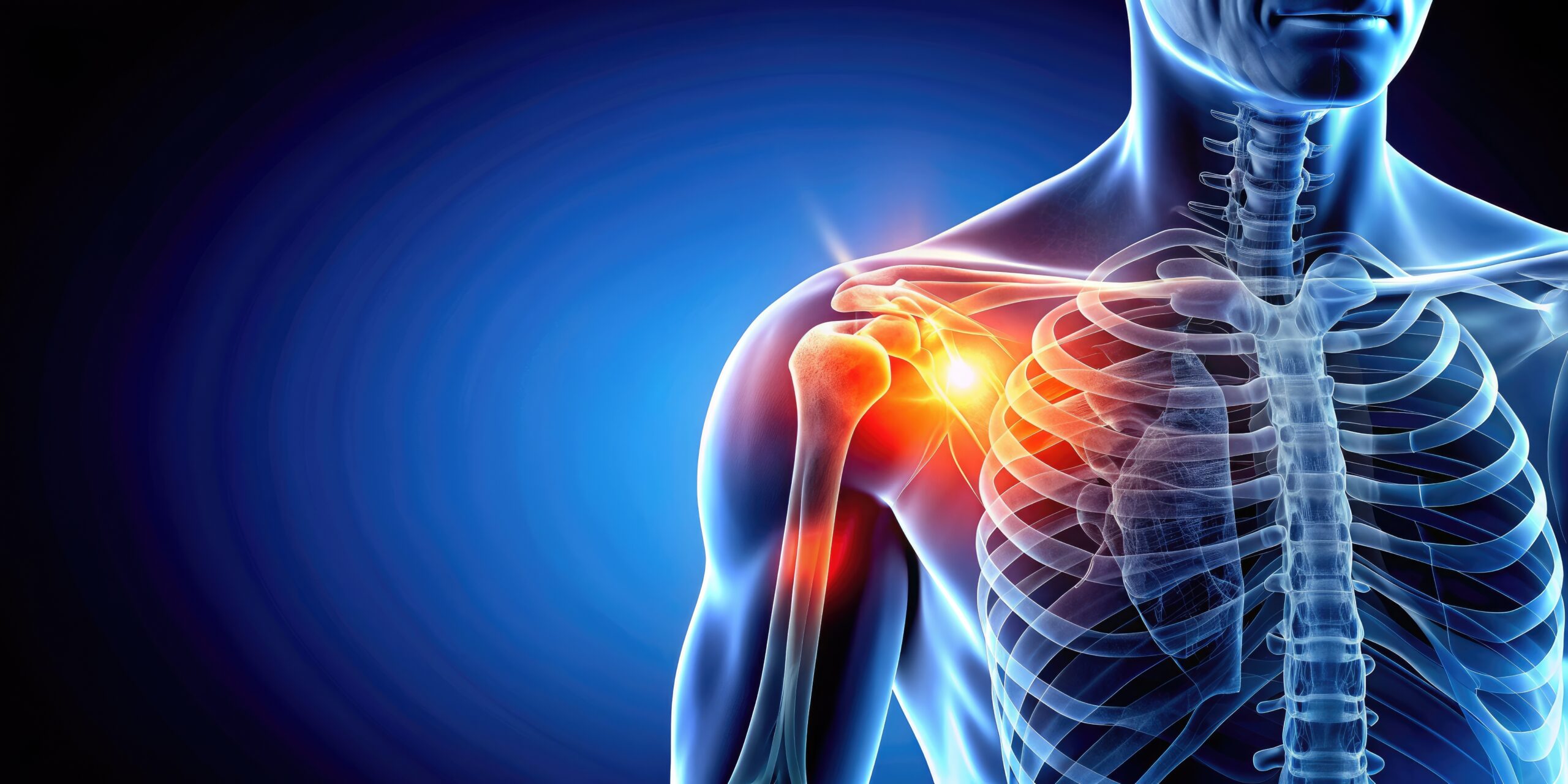
Shoulder joint arthroscopy
Pain reduction and improved quality of life
Arthroscopic treatment of the shoulder joint
Arthroscopy is a surgical and minimally invasive method for treating the shoulder joint.
These procedures are performed on patients who, as a result of various diseases or injuries, have experienced:
- significant pain symptoms,
- restricted joint mobility,
- joint instability,
- joint locking.
The shoulder joint consists of cooperating bone, cartilage, and soft tissues. It is responsible for performing very complex movements. However, this complexity makes it susceptible to various injuries and conditions, which manifest as pain, limited mobility, and sometimes even instability.
Shoulder joint complaints are currently quite common. Their most frequent causes include:
- overuse, resulting from frequently repeated, uniform shoulder movements – occurring both in athletes, e.g., tennis, volleyball, handball players, and in people performing certain jobs, e.g., painters,
- carrying heavy bags on the shoulder,
- long hours spent immobile in front of a computer,
- unfortunate falls and shoulder injuries during physical activity or even a simple walk.
Zadzwoń do nas
What are the indications for shoulder joint arthroscopy?
The indications for shoulder arthroscopy surgery include the following conditions:
- subacromial bursitis,
- subacromial impingement,
- rotator cuff injury and rotator cuff tear,
- massive calcifications of the rotator cuff tendons,
- glenoid labrum injury,
- presence of intra-articular loose bodies,
- chronic synovitis,
- articular cartilage damage,
- degenerative shoulder joint disease,
- glenohumeral joint instability,
- injury to the upper joint capsule,
- adhesive capsulitis (frozen shoulder),
- joint degeneration in the course of rheumatoid arthritis.
Zadzwoń do nas
Benefits for the patient from arthroscopic shoulder joint treatment
Arthroscopic shoulder joint treatments performed by experienced specialists provide patients with the following benefits:
Minimally invasive
By using an arthroscope, we avoid opening the joint, and the procedure involves minimal surgical trauma.
Reduced pain
Due to the reduced surgical trauma during the operation, postoperative pain is significantly less than with traditional surgery.
Lower risk of complications
Thanks to the minimally invasive nature of the procedure, the risk of postoperative complications is reduced.
Minimal scarring
Small incisions used in shoulder arthroscopy leave only minor scars.
High precision of the operation
The surgical field viewed by the operator on the monitor is magnified, allowing precise and targeted treatment of specific conditions, increasing the chances of preserving joint function and achieving optimal outcomes.
Quick return home
Avoiding extensive joint opening allows, among other things, for a very quick return home on the same day, without the need for unpleasant and burdensome hospitalization.
Zadzwoń do nas
Specialists
The experience of our specialists and the modern methods and devices used during procedures enable them to achieve excellent therapeutic results.
Arthroscopic shoulder joint treatments are performed at Wilmed Hospital, and the specialist handling such procedures is:

Zadzwoń do nas
What are the common shoulder joint disorders and injuries?
The most commonly diagnosed shoulder joint disorders and injuries include:
- Rotator cuff tear. Such an injury can occur during activities with arms raised (e.g., painting walls or sudden jerks while holding a handrail on a tram). This injury manifests, among others, as shoulder pain located at the front or side of the arm, often occurring at night and preventing lying on the shoulder.
- Inflammatory joint diseases. These include rheumatoid arthritis, gout, psoriatic arthritis. In such conditions, there is often hypertrophy of the synovial membrane within the joint and accumulation of fluid inside the joint.
- Frozen shoulder, also known as adhesive capsulitis. This condition is characterized by sudden shoulder pain unrelated to any injury and gradual limitation of its mobility. It most commonly affects women between 40 and 65 years of age and is likely related to hormonal changes occurring during menopause.
Zadzwoń do nas
What does shoulder arthroscopy involve?
Shoulder arthroscopy is a minimally invasive orthopedic surgical procedure that allows precise assessment and treatment of various intra-articular problems with minimal damage to surrounding tissues.
The essence of this method is that a microcamera is introduced into the joint, and using special surgical instruments, even very complex operations can be performed without the need to open the joint. The course of the operation is observed on a television monitor, often with significant magnification. An experienced orthopedist can thus repair damaged parts of the joint, including cartilage, ligaments, and bone.
The operation usually lasts up to 2 hours and is performed under general or regional anesthesia. The patient is positioned semi-sitting or lying on the side (on the healthy side) so that the operated shoulder can be placed on a special traction device. Before starting the operation, the shoulder joint is filled with a special saline solution, and then the orthopedist introduces the camera (arthroscope) and surgical instruments into the joint through previously prepared micro-incisions.
During the operation, the doctor can, among other things, perform:
- arthroscopic reconstruction of the rotator cuff, which restores joint mobility,
- reconstruction of damaged tendons, which can restore joint stability and function,
- joint stabilization,
- tenodesis of the long head of the biceps muscle, i.e., relocation or grafting of the damaged biceps muscle of the arm, which can improve the function and stability of the shoulder joint.
After the procedure, the patient moves independently. The arm is placed in an orthosis or rehabilitation begins immediately. The patient can return home the same day. Sutures are removed a few days after the procedure.
Zadzwoń do nas
What Sets Us Apart
- A team of experienced specialists
- Access to modern treatment methods
- Holistic approach to the patient
- Possibility of comprehensive diagnostics
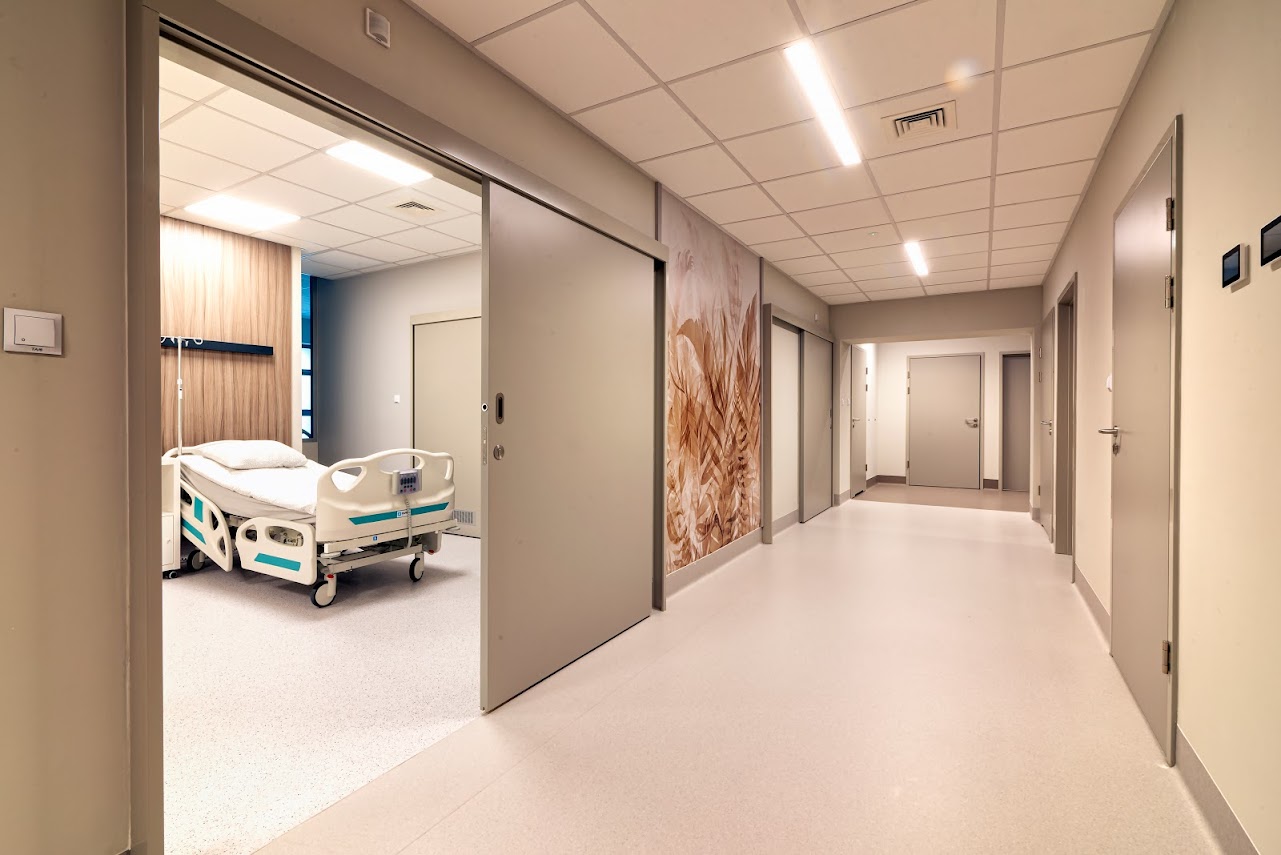
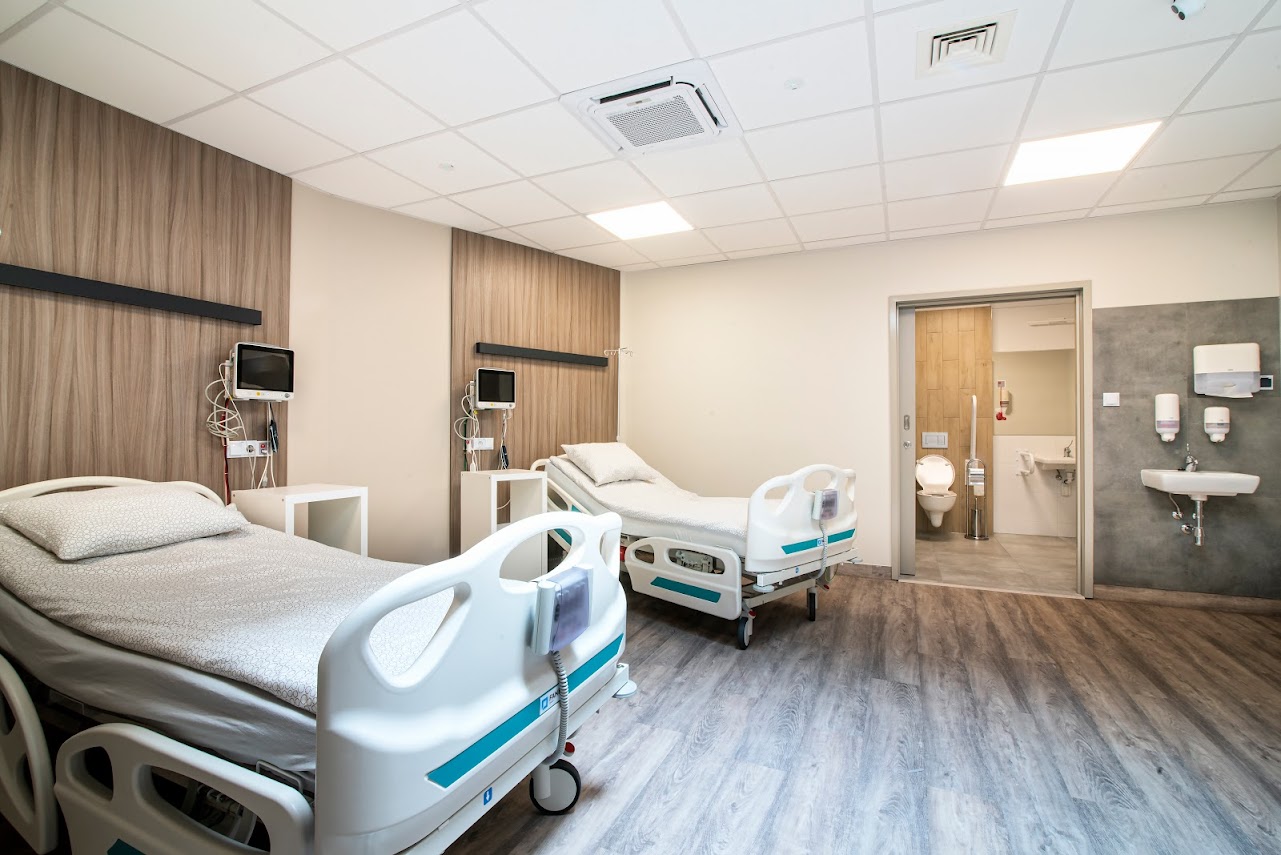
- Excellent facility conditions
- Care by a specialized nursing staff
- Comprehensive postoperative care
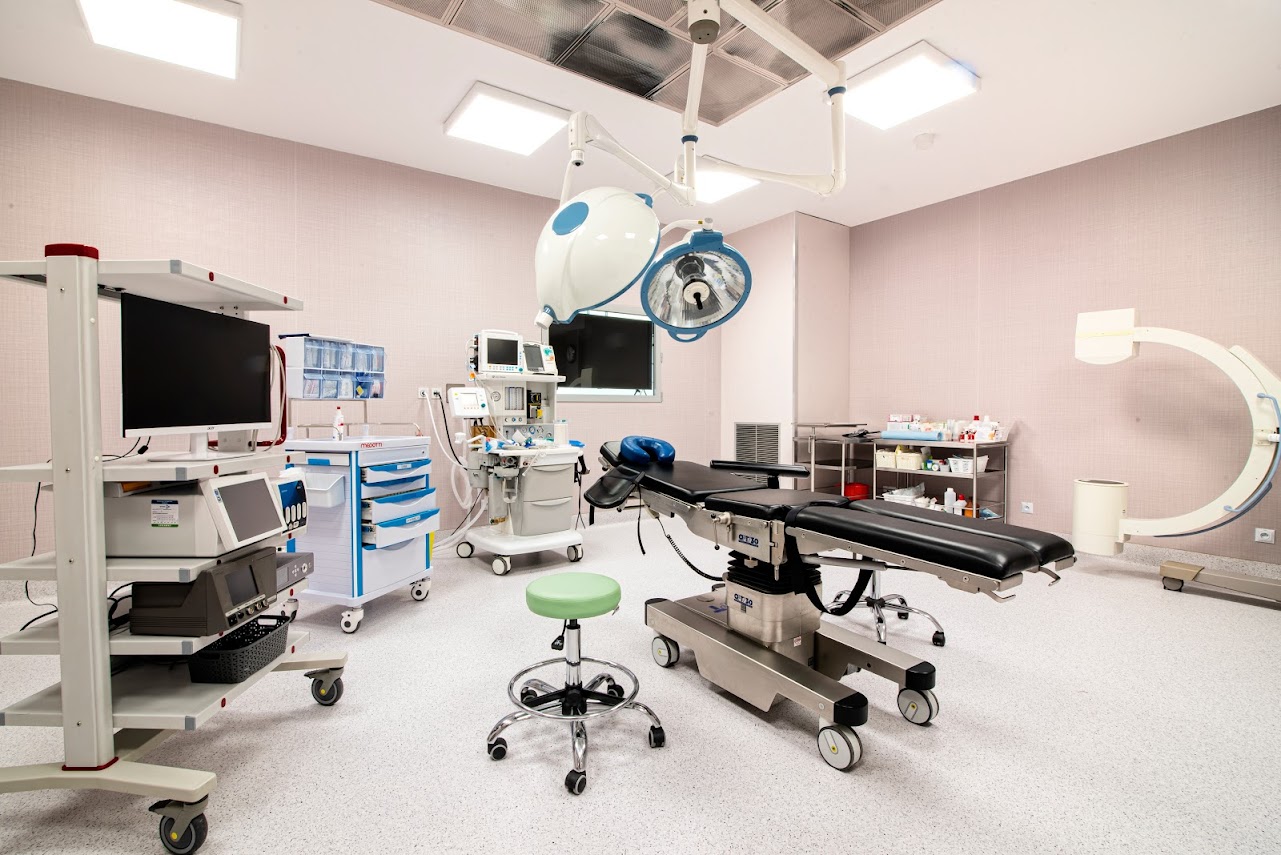
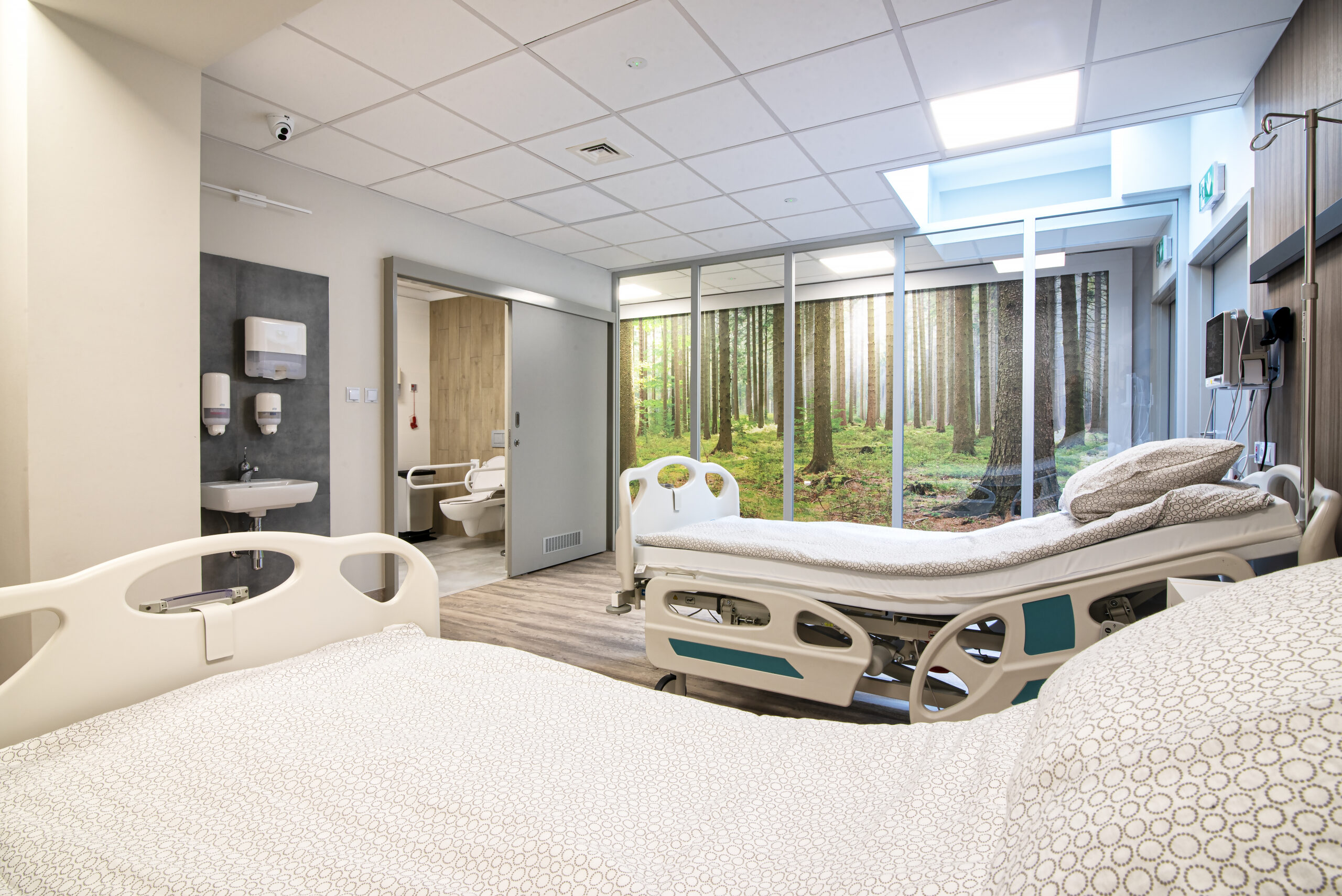
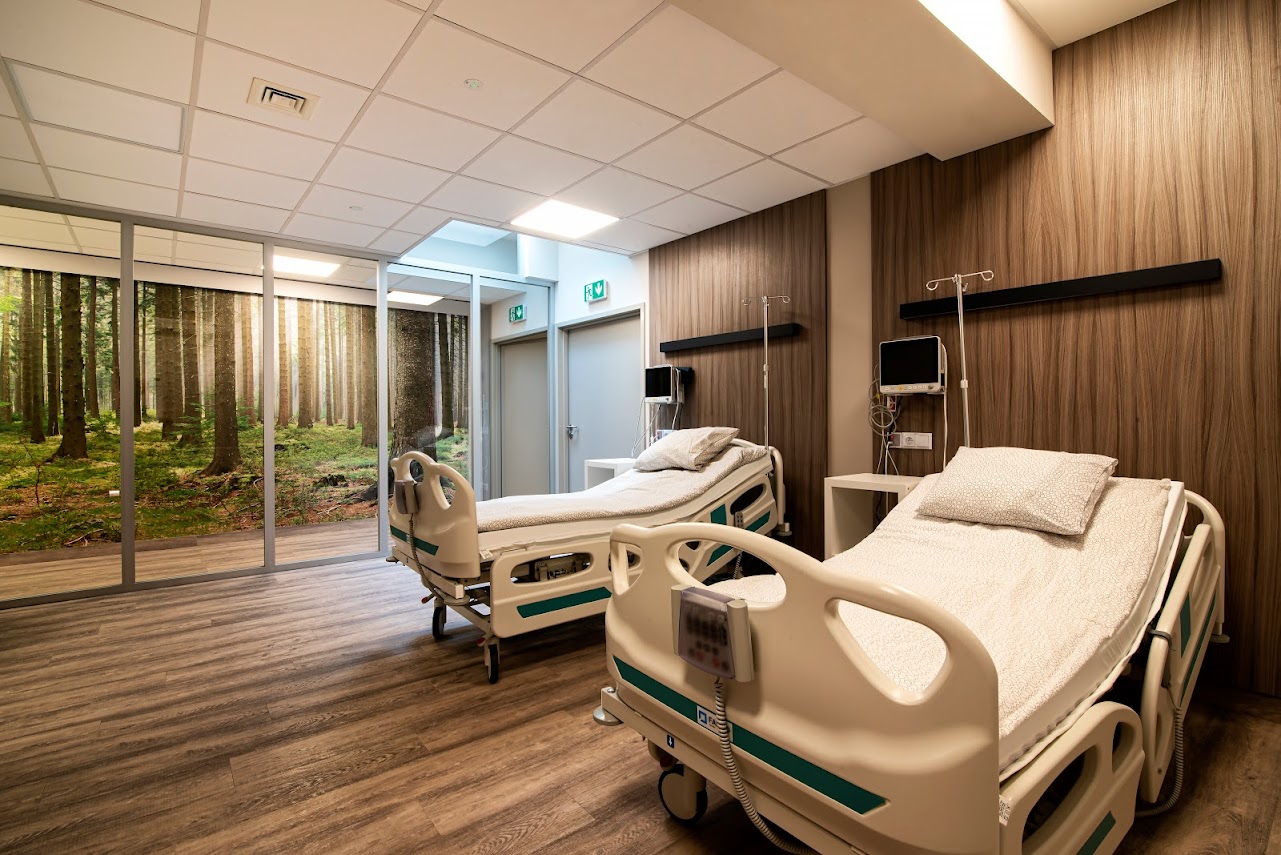
Interiors of the WILMED Hospital


Zadzwoń do nas
Price list
Cennik zabiegów
Shoulder joint arthroscopy
Zadzwoń do nas
FAQ
What conditions can be treated arthroscopically?
Is shoulder arthroscopy painful?
How long does the recovery take?
Is it necessary to wear a brace after the procedure?
When can one return to work or sports?
Does arthroscopy leave scars?
Is the effect of the procedure permanent?
Shoulder joint arthroscopy – where to have the procedure in Warsaw?
Shoulder joint arthroscopy in Warsaw – where is it offered?
Shoulder joint arthroscopy in Warsaw – where to ultimately go?
Shoulder joint arthroscopy at WILMED Hospital in one day
Kontakt
Zadzwoń do nas
Skontaktuj się z nami
Adres
ul. Wiktorii Wiedeńskiej 9a lok.U2
02-954 Warszawa - Wilanów
Inspektor danych osobowych
Katarzyna Mączyńska - MBRK
[email protected]
Godziny otwarcia
Od poniedziałku do piątku
w godzinach od 08:00 do 20:00