


Home /
Minimally invasive uterine fibroid removal
Faster recovery thanks to minimally invasive surgical techniques
Modern treatment of uterine fibroids
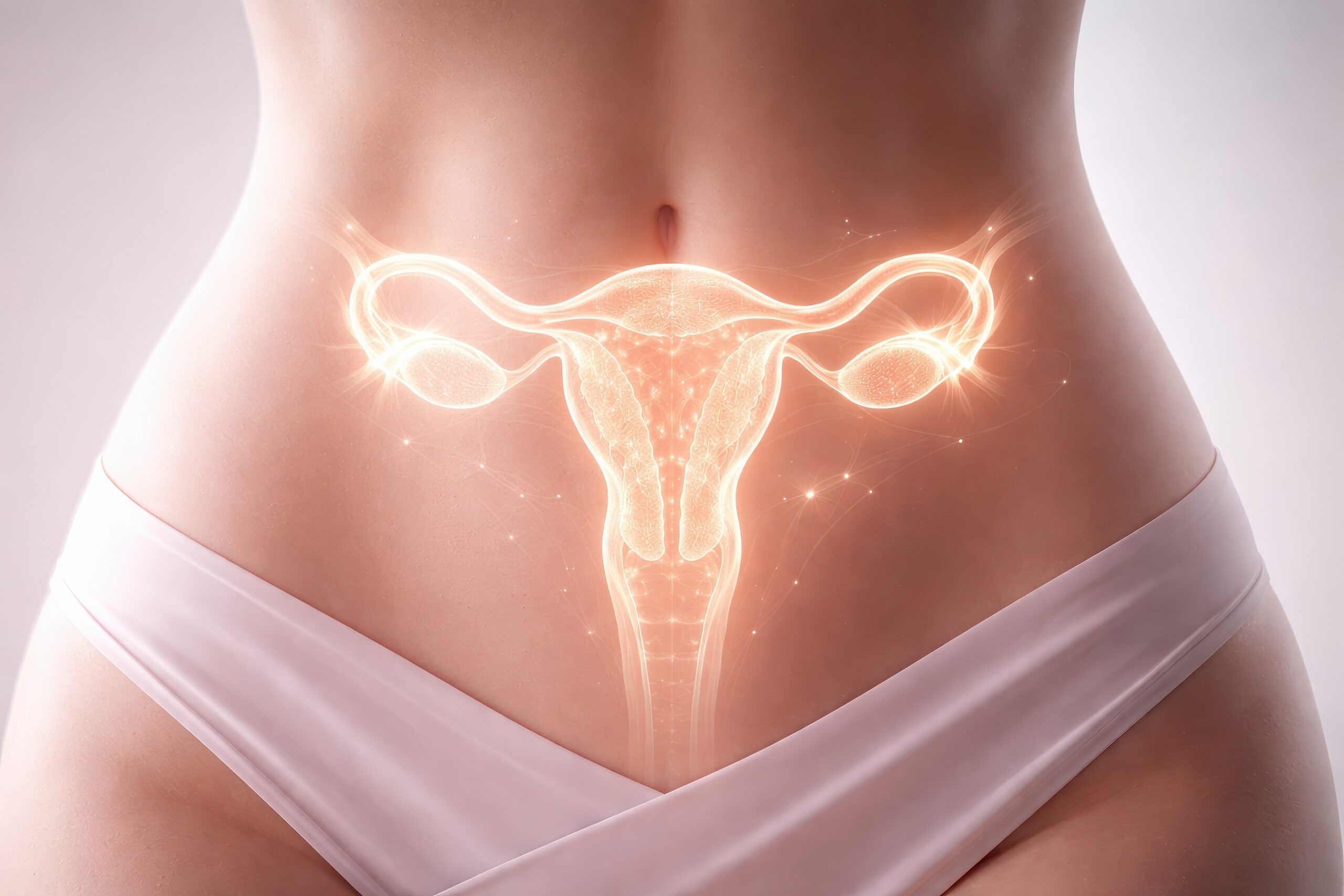
Uterine fibroids are benign lesions developing from the muscular tissue of the uterus. Although they do not always cause symptoms, in many women they can lead to heavy menstruation, lower abdominal pain, a feeling of pressure, fertility problems, or reduced quality of life.
Contemporary gynecology offers modern, minimally invasive methods for treating uterine fibroids that allow effective removal of lesions while limiting surgical trauma and shortening recovery time. The choice of treatment method depends primarily on the size, number, and location of fibroids, as well as the patient’s age, symptoms, and plans regarding motherhood.
What are uterine fibroids?
Uterine fibroids are among the most common benign tumors in women of reproductive age. They can vary in size and location – occurring in the uterine wall, on its surface, or inside the uterine cavity.
Not all fibroids require surgical treatment, but the procedure should be considered when the following occur:
- heavy or prolonged menstruation,
- chronic lower abdominal pain,
- a feeling of pressure in the pelvis,
- frequent urination,
- fertility problems,
- recurrent miscarriages,
- rapid growth of fibroids.
Individual selection of treatment method
Each case of uterine fibroids requires an individual assessment. During the consultation, the specialist analyzes the location of the changes and their impact on the body’s functioning and selects the most appropriate surgical method.
Modern minimally invasive treatment may include:
- laparoscopic fibroid removal,
- resectoscopic fibroid removal,
- combined treatment in selected cases.
The goal of therapy is effective removal of changes while maintaining the highest possible patient comfort and – if possible – preserving the uterus and fertility.
Call us
Advantages of minimally invasive uterine fibroid treatment
Modern minimally invasive methods for treating uterine fibroids allow effective removal of lesions while minimizing the burden on the body. Compared to traditional open surgeries, techniques such as laparoscopy and resectoscopy offer greater patient comfort, shorter recovery times, and a faster return to daily activities.
Less surgical trauma
In the case of laparoscopy, the procedure is performed through several small incisions in the abdominal wall, which significantly reduces tissue trauma compared to traditional surgery. Resectoscopy, on the other hand, is a method performed entirely without incisions – access to the uterine cavity is through the vagina and cervix.
Shorter hospital stay
Both laparoscopy and resectoscopy are usually associated with shorter hospitalization. In both cases, many procedures are even performed on a day-case basis, allowing the patient to return home quickly.
Faster recovery
Minimally invasive surgical techniques enable a quicker return to daily activities. After resectoscopy, recovery is generally very short due to the absence of surgical incisions, while after laparoscopy, the regeneration time is also significantly shorter than after traditional open surgery.
Less postoperative pain
Limited surgical intervention means patients usually experience less postoperative pain. In resectoscopy, postoperative discomfort is typically minimal, whereas laparoscopy significantly reduces pain compared to the conventional method.
Less postoperative pain
Limited surgical intervention means patients usually experience less postoperative pain. In resectoscopy, postoperative discomfort is typically minimal, whereas laparoscopy significantly reduces pain compared to the conventional method.
Greater procedural precision
Both methods utilize advanced optical systems that allow precise visualization of the operated structures. Laparoscopy enables precise removal of fibroids located in the uterine wall or on its surface, while resectoscopy allows for accurate removal of lesions located inside the uterine cavity.
Lower risk of complications and adhesions
Minimally invasive surgical techniques reduce the risk of adhesions and other postoperative complications. Resectoscopy, in particular, performed without opening the abdominal cavity, involves very minimal interference with surrounding tissues.
Preservation of the uterus and fertility
Laparoscopy and resectoscopy allow for the removal of fibroids while preserving the uterus. This is especially important for women planning pregnancy or wishing to avoid more radical surgical treatment.
Individualized treatment method selection
Modern treatment of uterine fibroids allows for selecting the method best suited to the type of lesions and the patient’s needs. This enables effective treatment while maintaining a high level of safety and postoperative comfort.
Call us
Specialists
The experience of our specialists and the modern methods and devices used during procedures enable them to achieve excellent therapeutic results.
Minimally invasive uterine fibroid removal procedures are performed at Wilmed Hospital, and the specialists treating this condition are:

MD, PhD
Małgorzata Reinholz-JaskólskaSpecialist in gynecologic oncology and gynecology and obstetrics
Read more
Call us
What does laparoscopic fibroid removal involve?
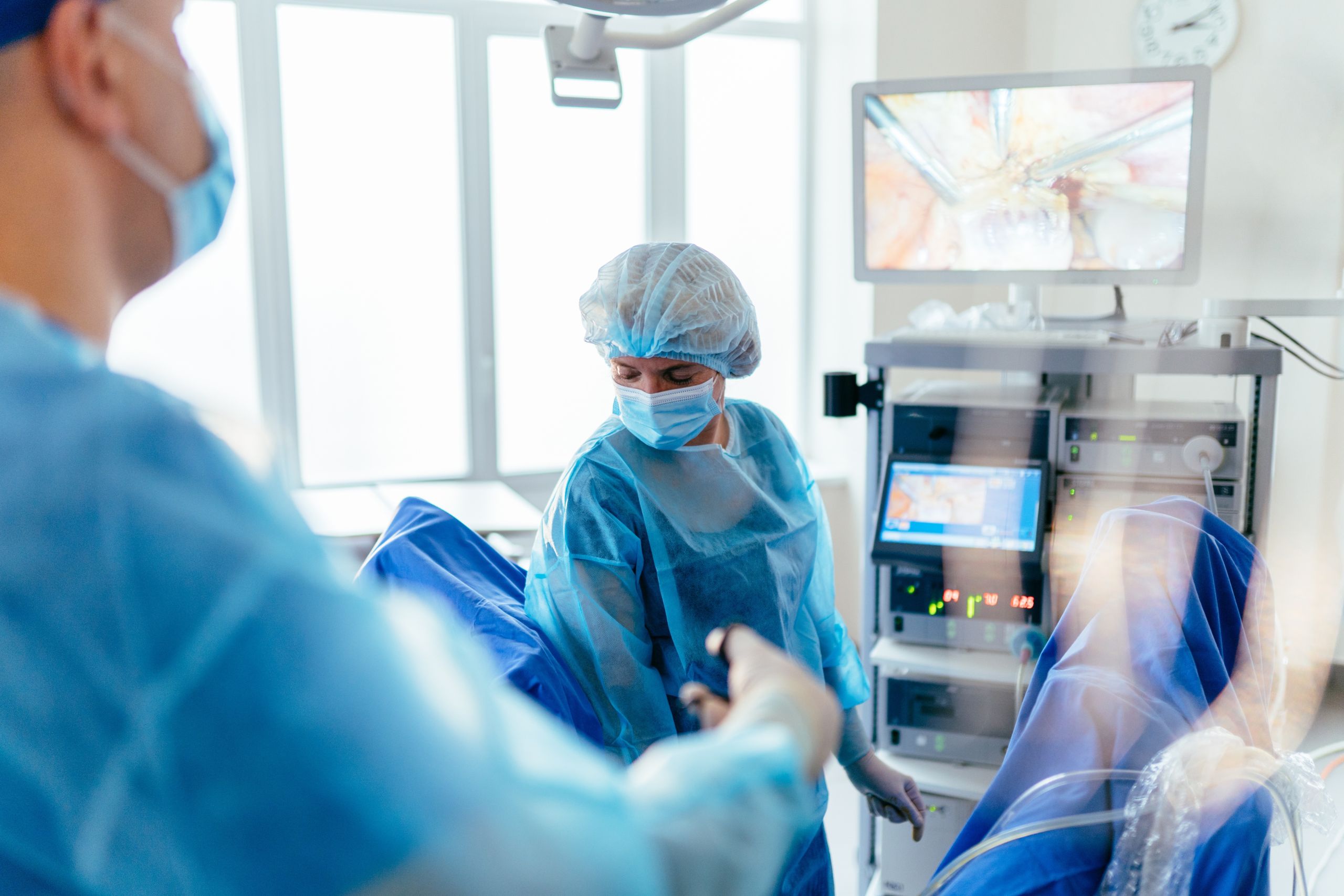
Laparoscopy is a method primarily used for fibroids located in the uterine wall or on its external surface.
Laparoscopic removal of uterine fibroids involves enucleation of the lesions while preserving healthy uterine tissue. The procedure is performed under general anesthesia.
During the surgery, the surgeon makes several small incisions in the abdominal area through which a laparoscopic camera and thin surgical instruments are introduced. Thanks to the highly magnified image, it is possible to very precisely remove fibroids and carefully repair the uterine wall.
Compared to traditional open surgery, laparoscopy is associated with less postoperative pain, shorter hospital stay, and faster return to daily activities.
Call us
When can a laparoscopic procedure be performed?
The possibility of performing laparoscopic removal of fibroids depends, among other things, on:
- the number of fibroids,
- their size,
- the location of the lesions,
- the patient’s reproductive plans,
- overall health condition.
The final qualification for the procedure takes place during a gynecological consultation and after performing imaging tests such as ultrasound. During the consultation, the specialist assesses the type and size of the fibroids, analyzes symptoms, and selects the optimal treatment method. The visit also includes a discussion of the course of the operation, recovery, and possible treatment outcomes.
Laparoscopic fibroid removal and pregnancy
For many women, an important advantage of laparoscopic myomectomy is the possibility of preserving the uterus and planning pregnancy in the future. Removal of fibroids may improve the conditions for conception and reduce the risk of obstetric complications associated with the presence of large lesions.
The decision regarding pregnancy planning after surgery should always be made individually with the doctor.
Call us
Resectoscopic removal of uterine fibroids
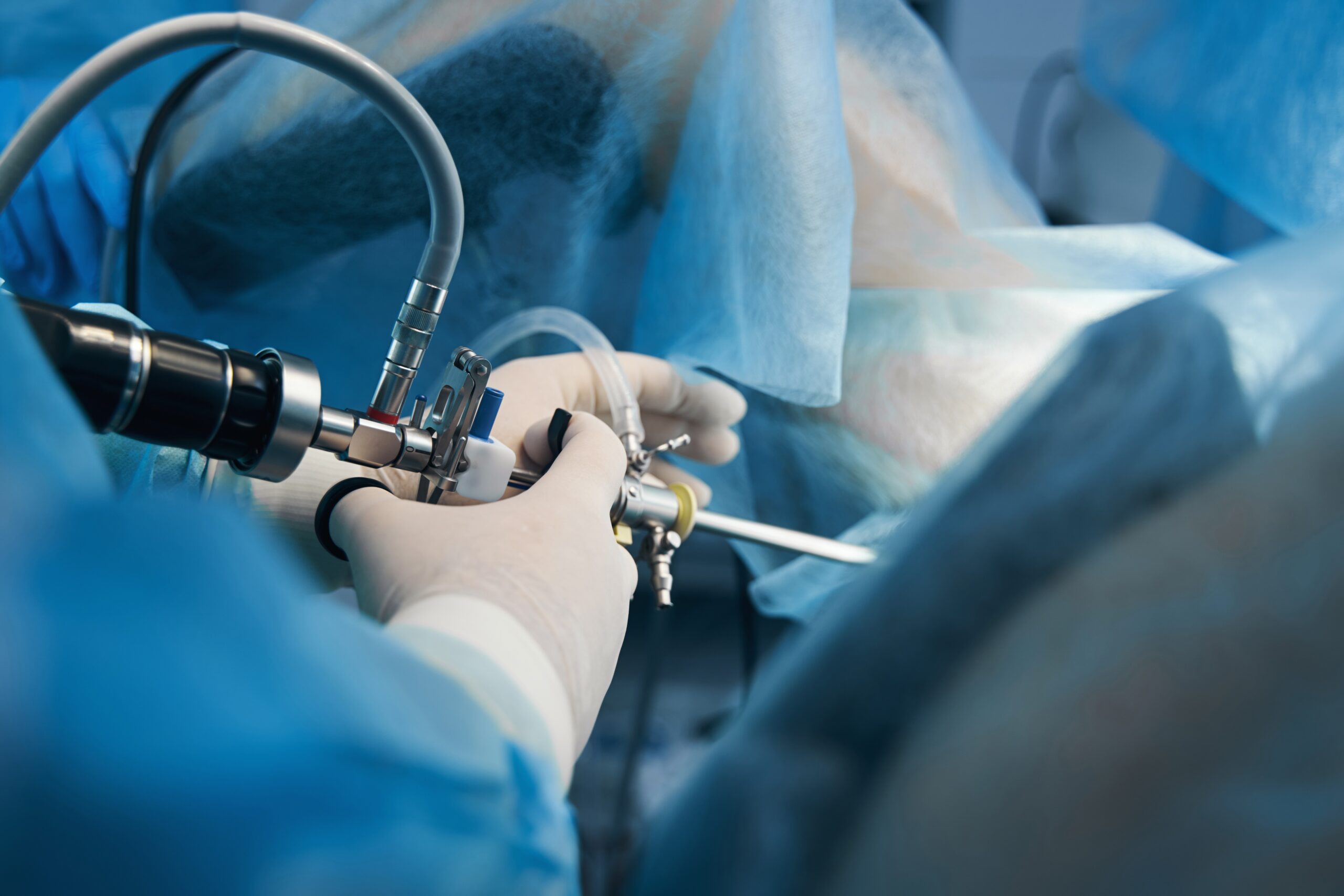
Resectoscopic removal of uterine fibroids is a modern, minimally invasive method for treating submucosal fibroids, i.e., lesions developing inside the uterine cavity. The procedure is performed using a hysteroscopic technique – without incisions on the abdomen and without opening the abdominal cavity.
The procedure effectively removes fibroids responsible, among other things, for heavy menstrual bleeding, intermenstrual bleeding, lower abdominal pain, or difficulties conceiving.
The procedure is performed using a resectoscope – a specialized optical instrument equipped with a camera and a thin surgical loop that allows precise removal of lesions from inside the uterus.
The resectoscope is inserted through the vagina and cervix, so the procedure does not require any skin incisions. The surgeon observes the inside of the uterus at high magnification and gradually removes the fibroid layer by layer, maintaining maximum precision.
Call us
When is an individual approach necessary?
In some cases, fibroids may be numerous, large, or located in different parts of the uterus. In such cases, the treatment plan is determined individually and may include a combination of different surgical techniques or staged procedural treatment.
The choice of the appropriate method depends, among other things, on:
- the size of the fibroids,
- their number,
- the location of the lesions,
- severity of symptoms,
- the patient’s age,
- plans regarding pregnancy,
- previous gynecological surgeries.
Call us
What sets us apart
- We provide care from experienced gynecology specialists
- Procedures are performed using the most advanced techniques and methods
- Patients can return home the same day
- Health outcomes combined with patients’ psychological comfort
- We ensure full discretion and respect for patient privacy
Call us
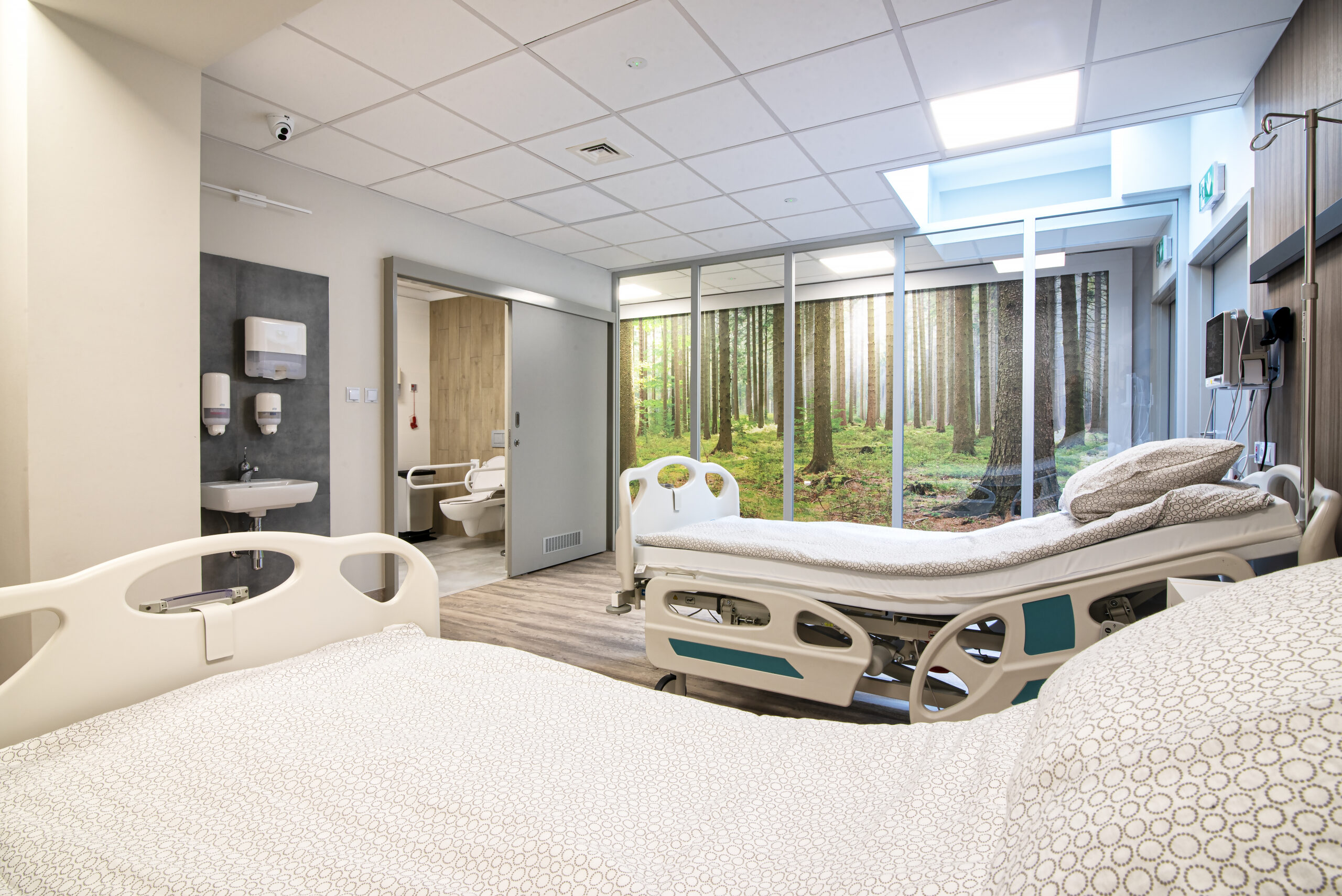
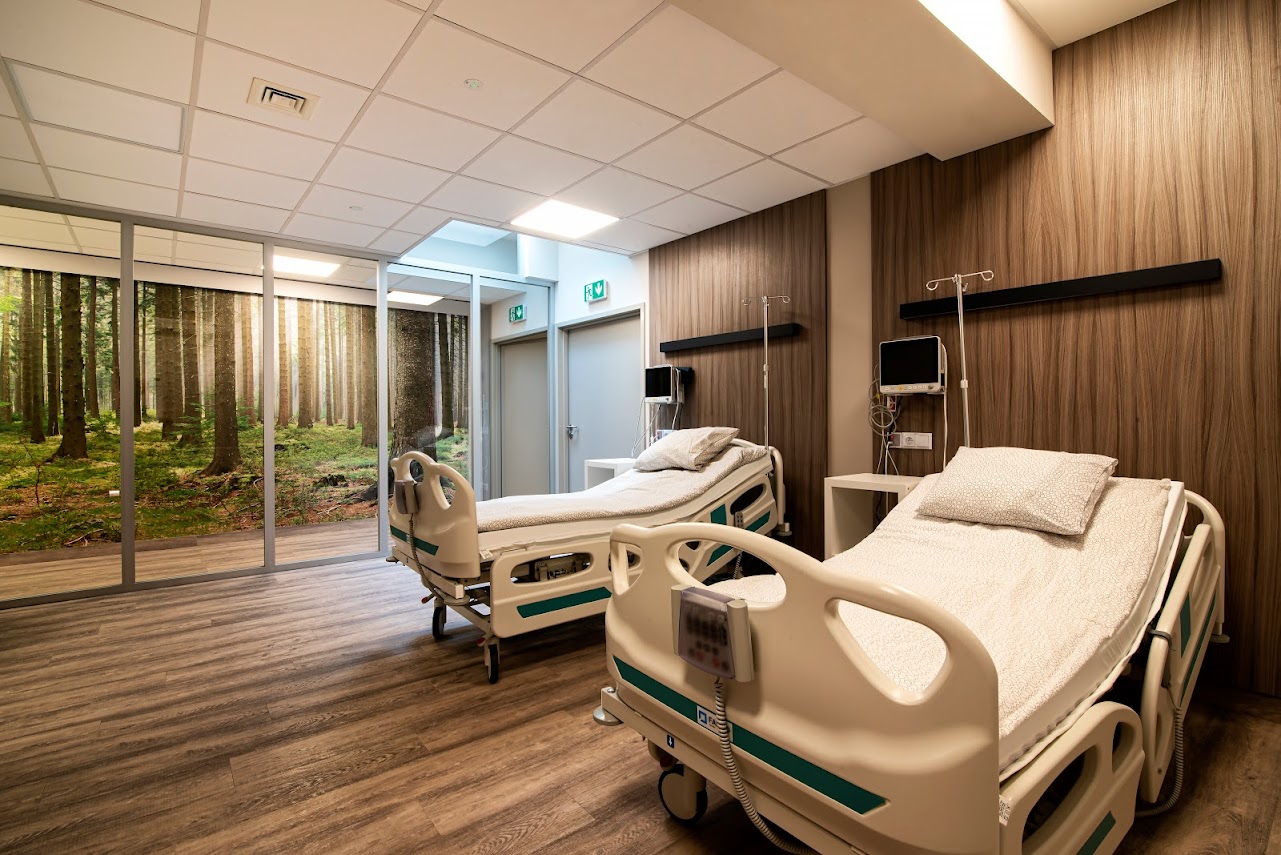
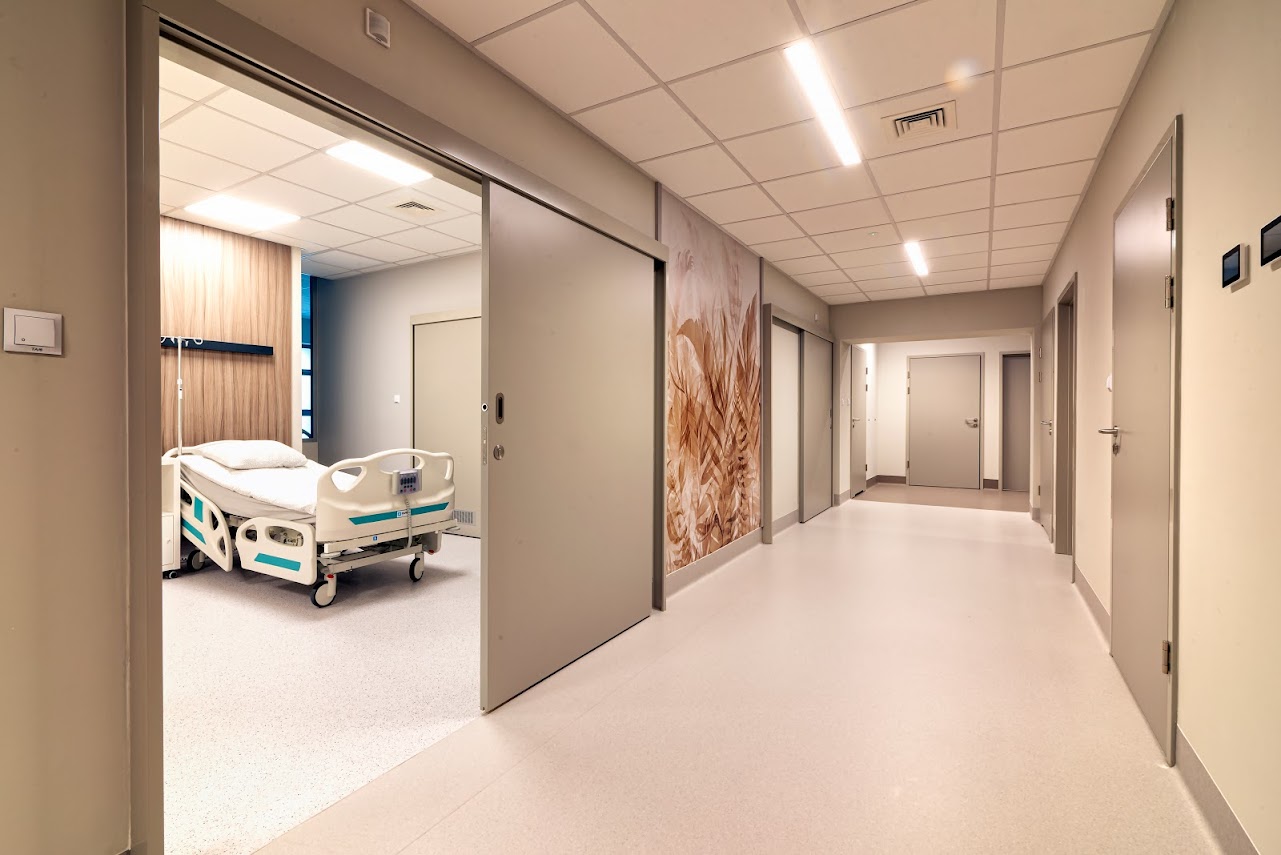
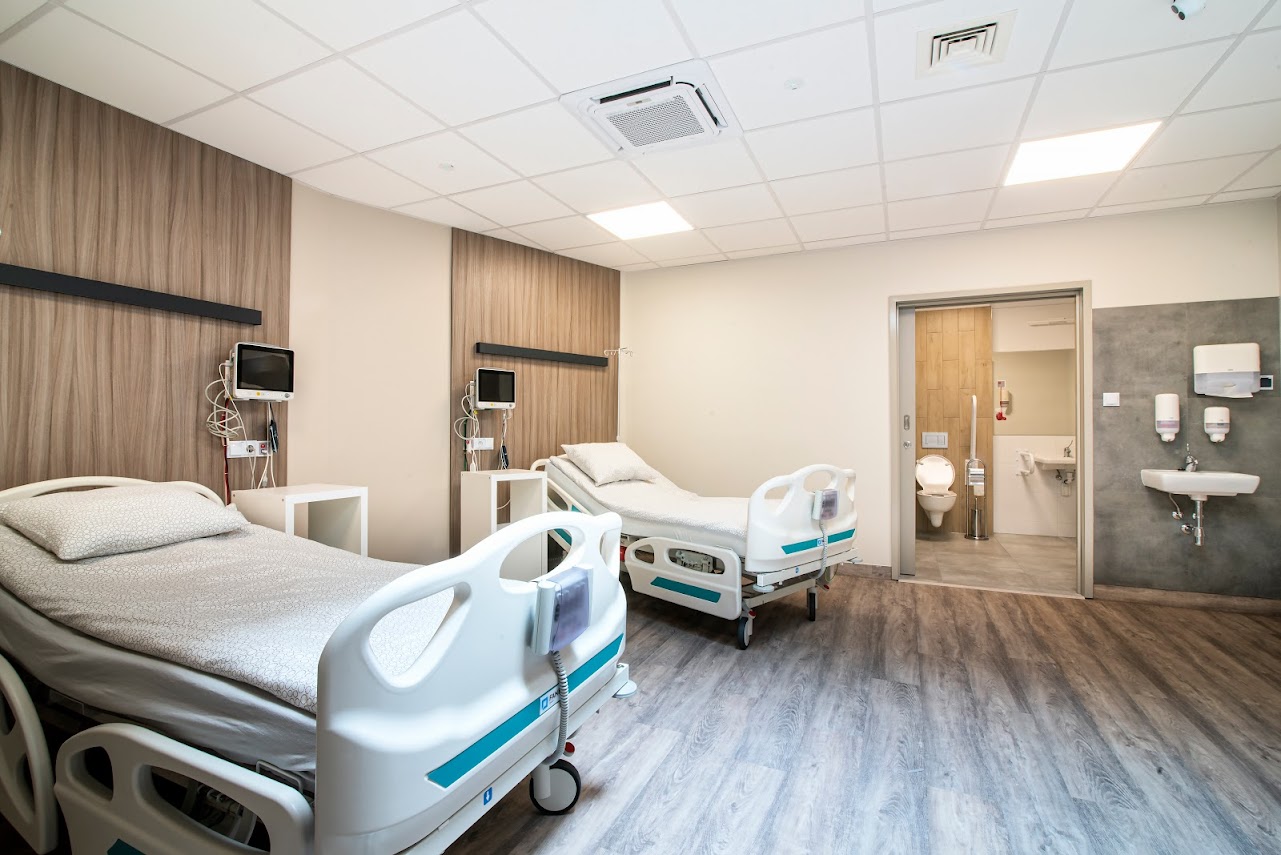
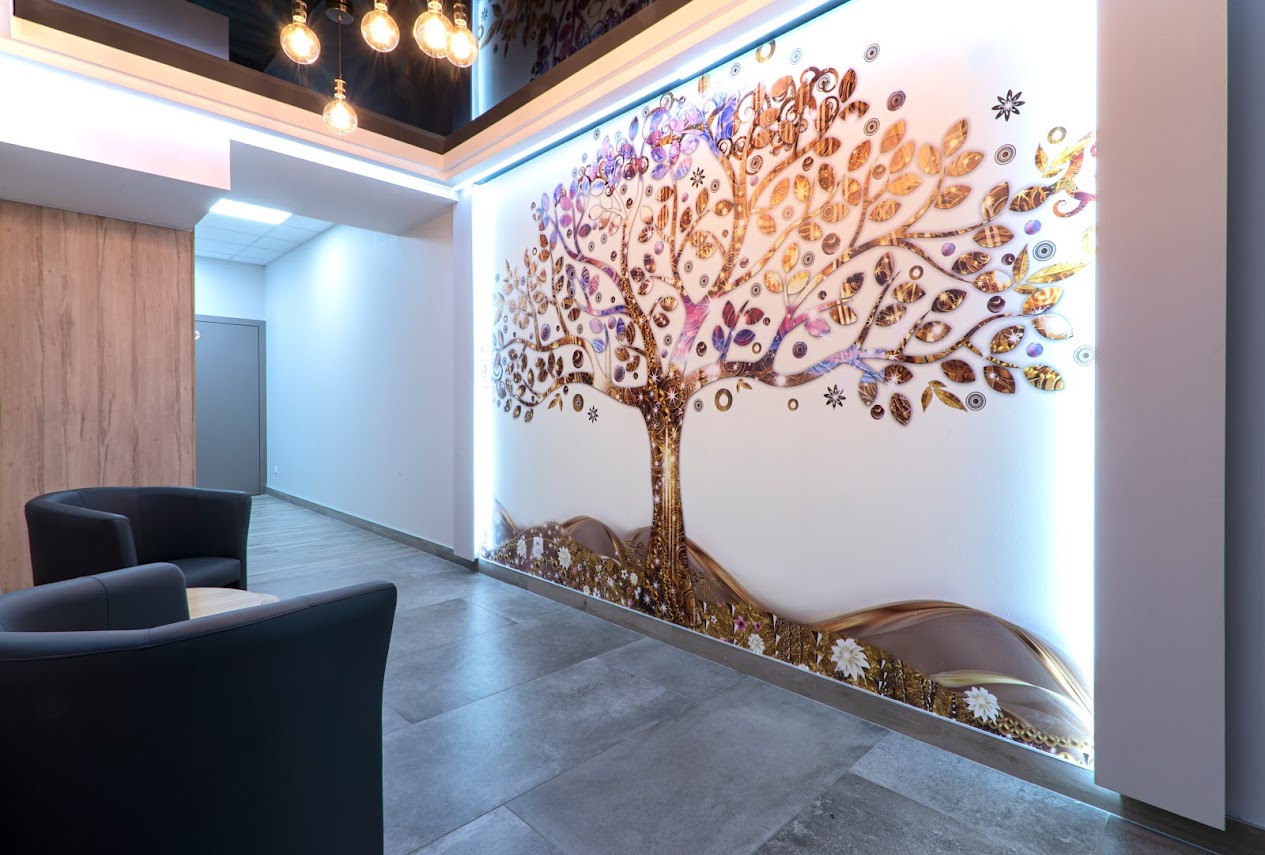
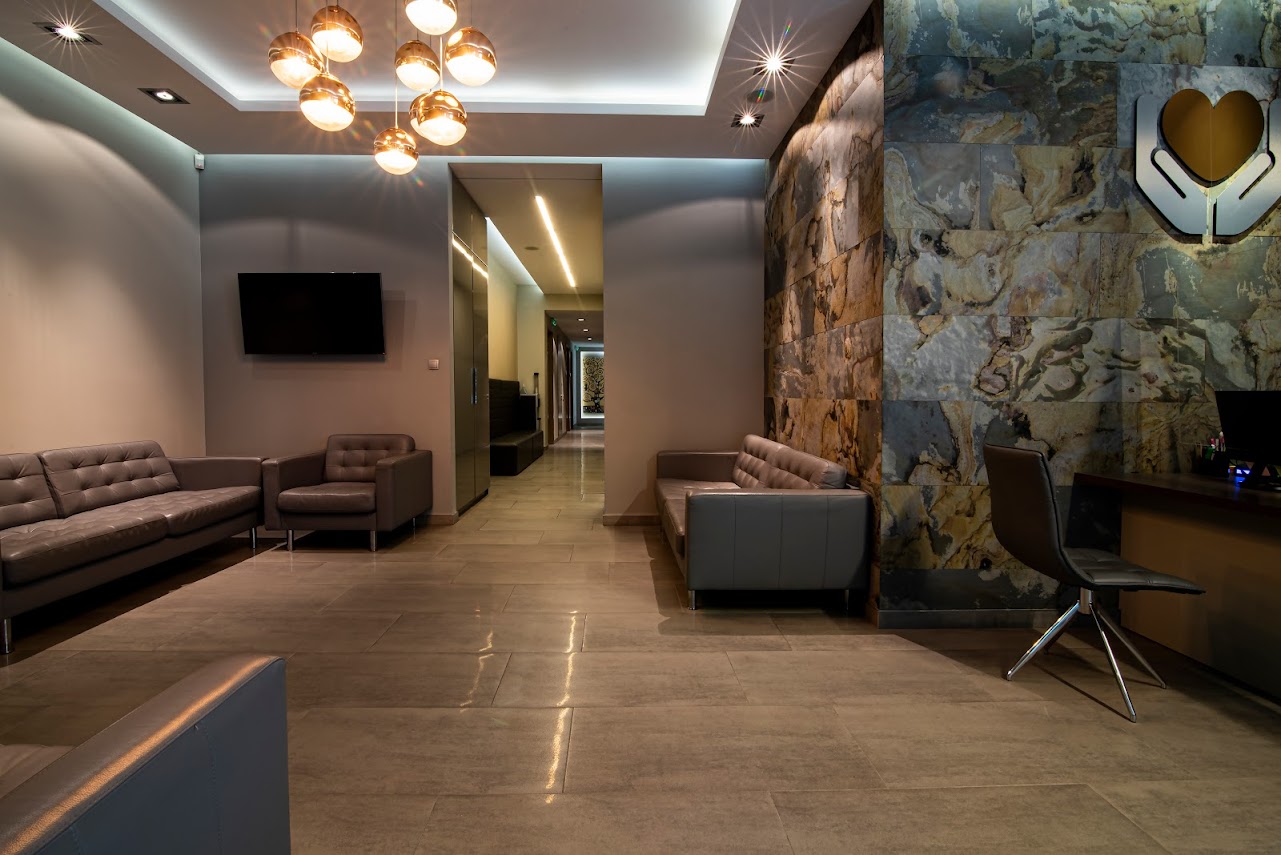
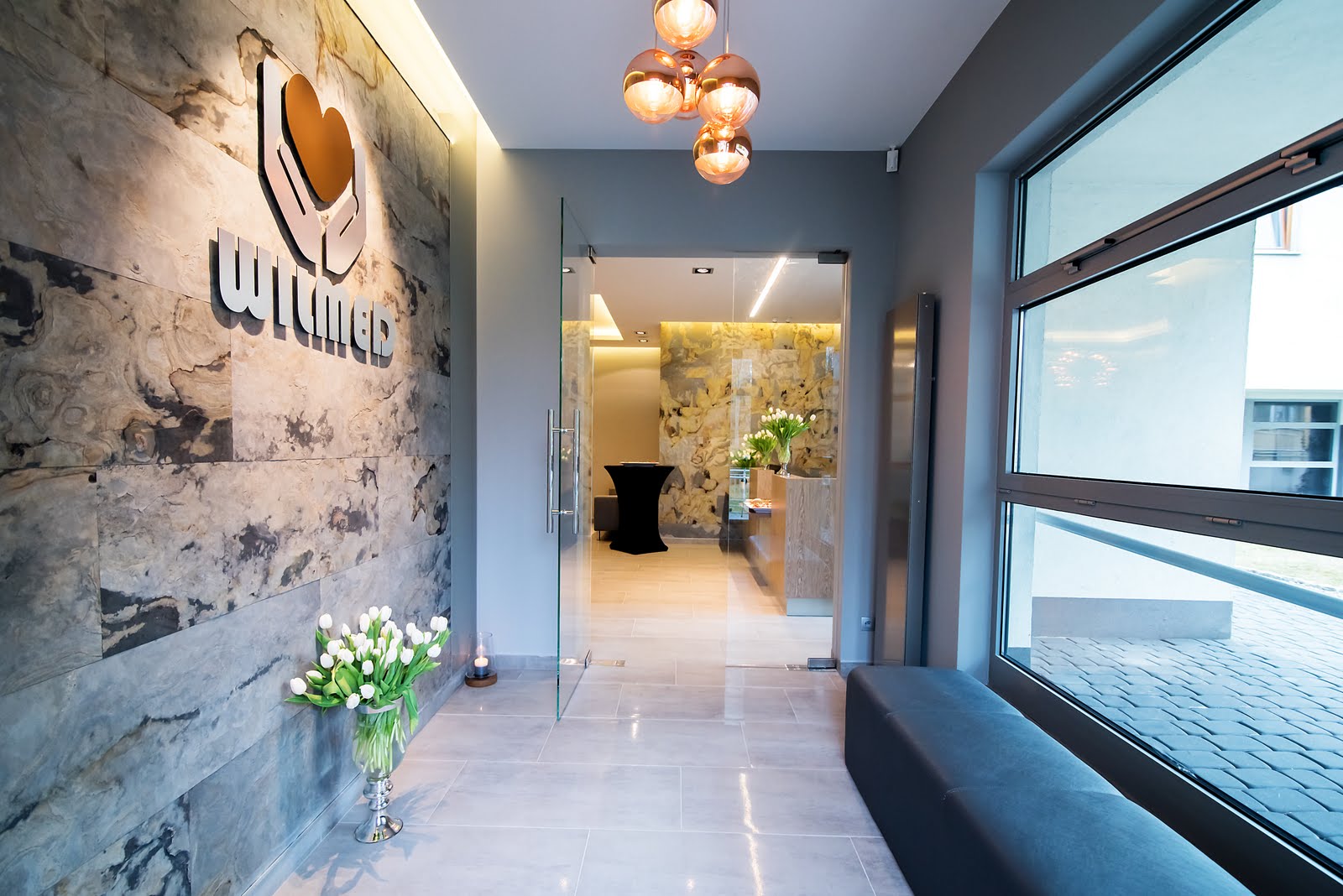
Interiors of the WILMED Hospital


Call us
Price list
Treatment Price List
Laparoscopic removal of uterine fibroids
Resectoscopic removal of uterine cavity lesions
Hysteroscopic removal of uterine cavity lesions
Call us
FAQ
What is the difference between laparoscopy and resectoscopy?
Which method will be appropriate in my case?
Is the procedure performed under anesthesia?
Are there scars after the procedure?
How long is the hospital stay?
What is the recovery like after the procedure?
Does the procedure hurt?
Is it possible to become pregnant after fibroid removal?
Can fibroids regrow after the procedure?
When is it advisable to schedule a consultation?
Minimally invasive removal of uterine fibroids – where to have the procedure in Warsaw?
Minimally invasive uterine fibroid removal in Warsaw – where is it offered?
Minimally invasive uterine fibroid removal in Warsaw – where to ultimately go?
Minimally invasive uterine fibroid removal at WILMED Hospital
Contact
Call us
Contact us
Address
ul. Wiktorii Wiedeńskiej 9a lok.U2
02-954 Warszawa - Wilanów
Data Protection Officer
Katarzyna Mączyńska - MBRK
[email protected]
Opening hours
Monday to Friday
from 08:00 to 20:00