


Home /
Hysteroscopy and resectoscopy – operative methods for treating uterine cavity lesions
Safe and minimally invasive removal of uterine cavity lesions.
What is hysteroscopy?
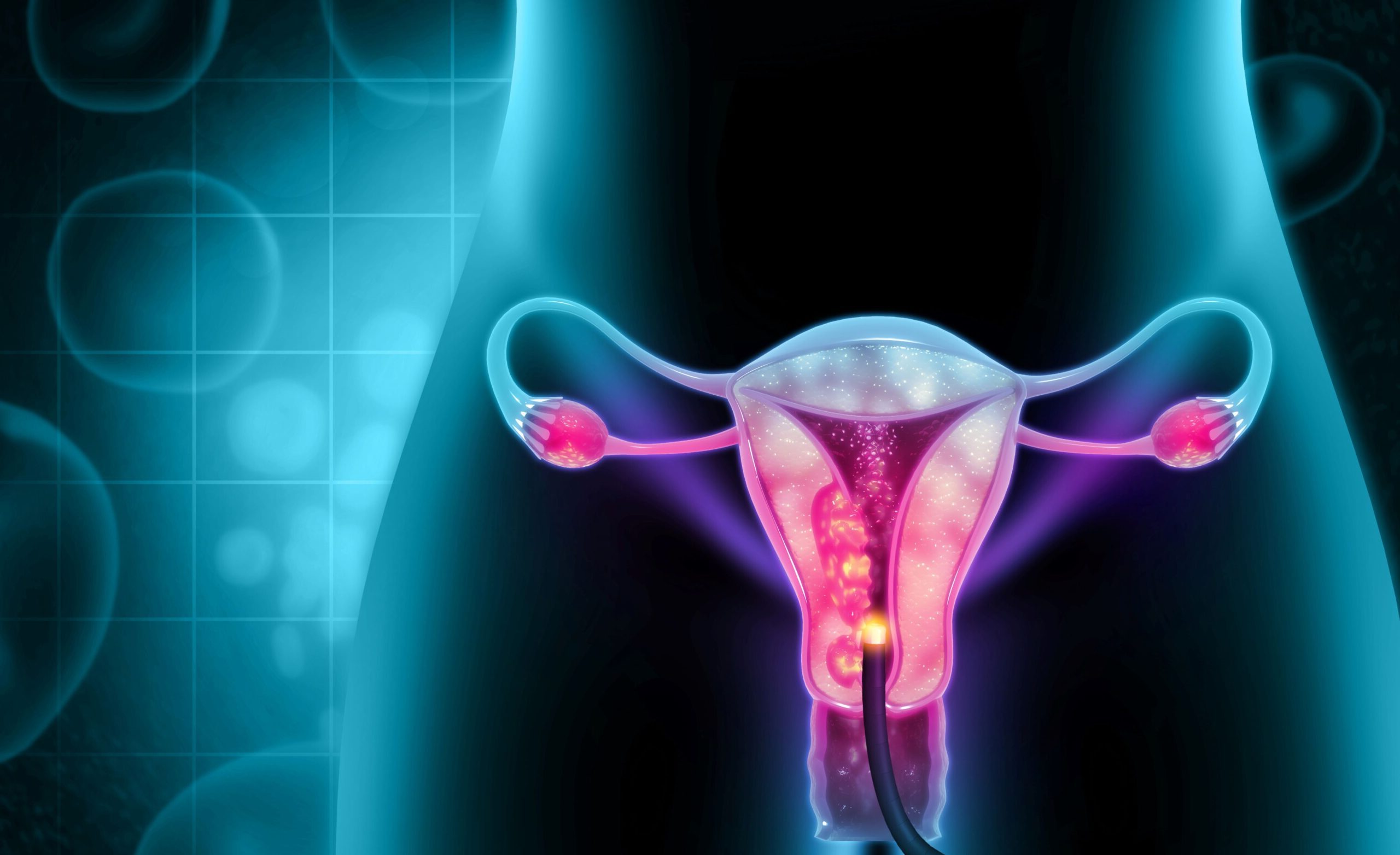
Hysteroscopy is a modern, minimally invasive surgical, diagnostic, and therapeutic procedure used in the diagnosis and treatment of lesions within the uterine cavity.
A hysteroscope is a long, flexible tube ending with a miniature camera and a light source. It is inserted into the uterine cavity through a speculum, and images of the interior of the organ are displayed on a monitor. This device has a diameter of 7 mm with a working channel, allowing the introduction of appropriate micro-surgical instruments during the procedure, which are used to remove, for example, endometrial polyps or small submucosal fibroids, cut minor adhesions, or take targeted biopsies.
Resectoscopy is one of the more advanced hysteroscopic techniques. Using a special instrument – the resectoscope, which has a larger diameter than the hysteroscope, many procedures are performed within the uterine cavity aimed at excising unwanted lesions such as fibroids or polyps, endometrium, or various types of adhesions.
Indications for performing hysteroscopy
The main indications for performing hysteroscopic procedures are:
- suspected lesions within the uterine cavity – polyp, submucosal fibroid, endometrial cancer, endometrial hyperplasia, intrauterine adhesions
- postmenopausal bleeding
- prolonged, abnormally heavy bleeding from the genital tract in women of reproductive age
- infertility
- recurrent miscarriages
- suspected retained products of conception after delivery or miscarriage in the uterine cavity
- suspected symptomatic uterine anomalies
- need to verify histopathological examination obtained by other means
- removal of a „retracted” or lodged intrauterine device
Call us
Specialists
The experience of our specialists and the modern methods and devices used during procedures enable them to achieve excellent therapeutic results.
You can have a hysteroscopy procedure performed at Wilmed Clinic, where the specialists treating this condition are:

MD, PhD
Małgorzata Reinholz-JaskólskaSpecialist in gynecologic oncology and gynecology and obstetrics
Read more
Benefits of surgical treatment of pilonidal cysts
Minimally invasive procedure
Hysteroscopy is performed transvaginally – therefore, there is no disruption of the continuity of the abdominal wall.
The procedure is painless
The procedure usually lasts about half an hour and is performed under short-term intravenous or regional anesthesia, ensuring the woman does not experience any pain.
The patient can return home the same day
The procedure is performed under short-term intravenous anesthesia, allowing the patient to go home after 2-3 hours of observation.
Effective treatment of abnormalities
Abnormalities in the uterine cavity such as polyps, adhesions, or submucosal fibroids are immediately removed, and the collected material is sent for histopathological examination.
What sets us apart
- We provide care from experienced specialists in gynecology
- Procedures are performed using the most advanced techniques and methods
- It is possible to return home the same day
- Health outcomes combined with patients’ psychological comfort
- We ensure full discretion and respect for patient privacy
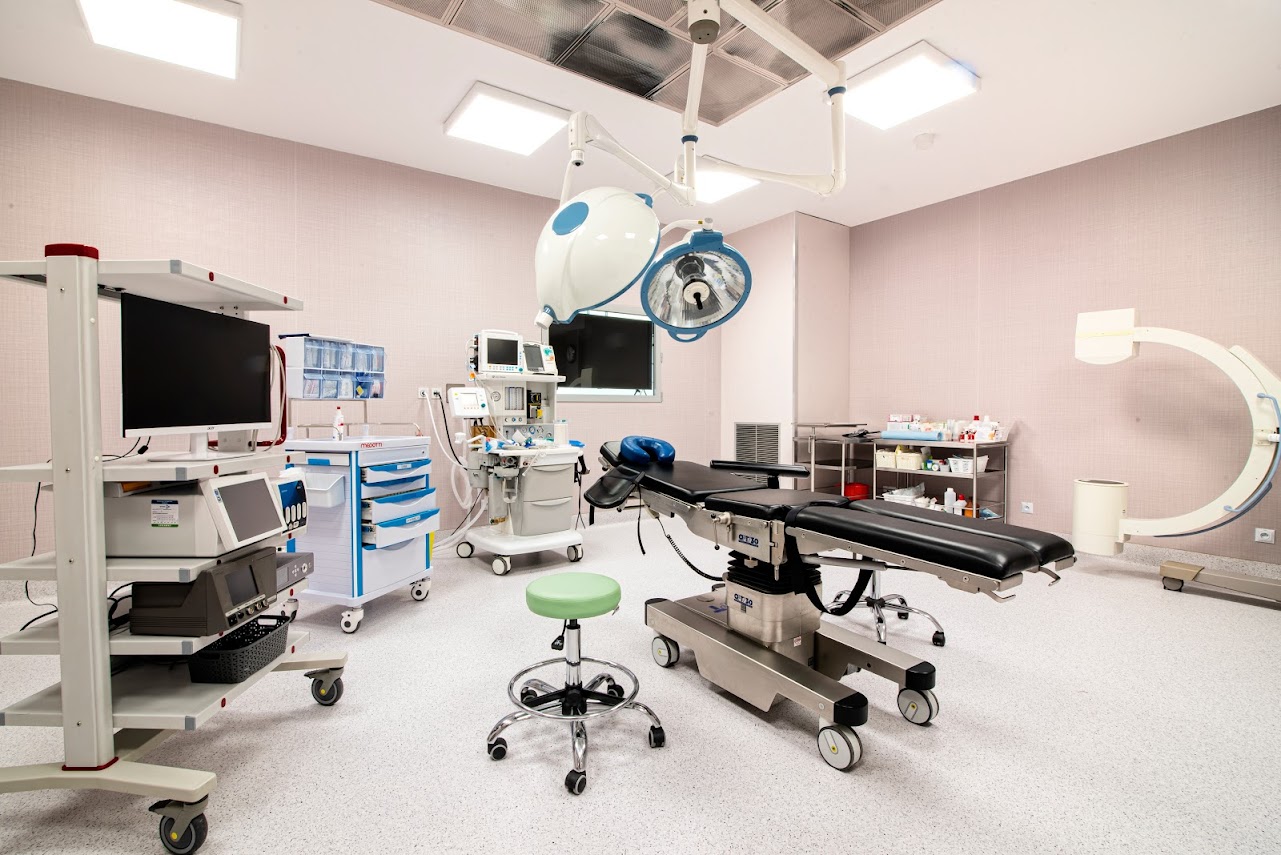
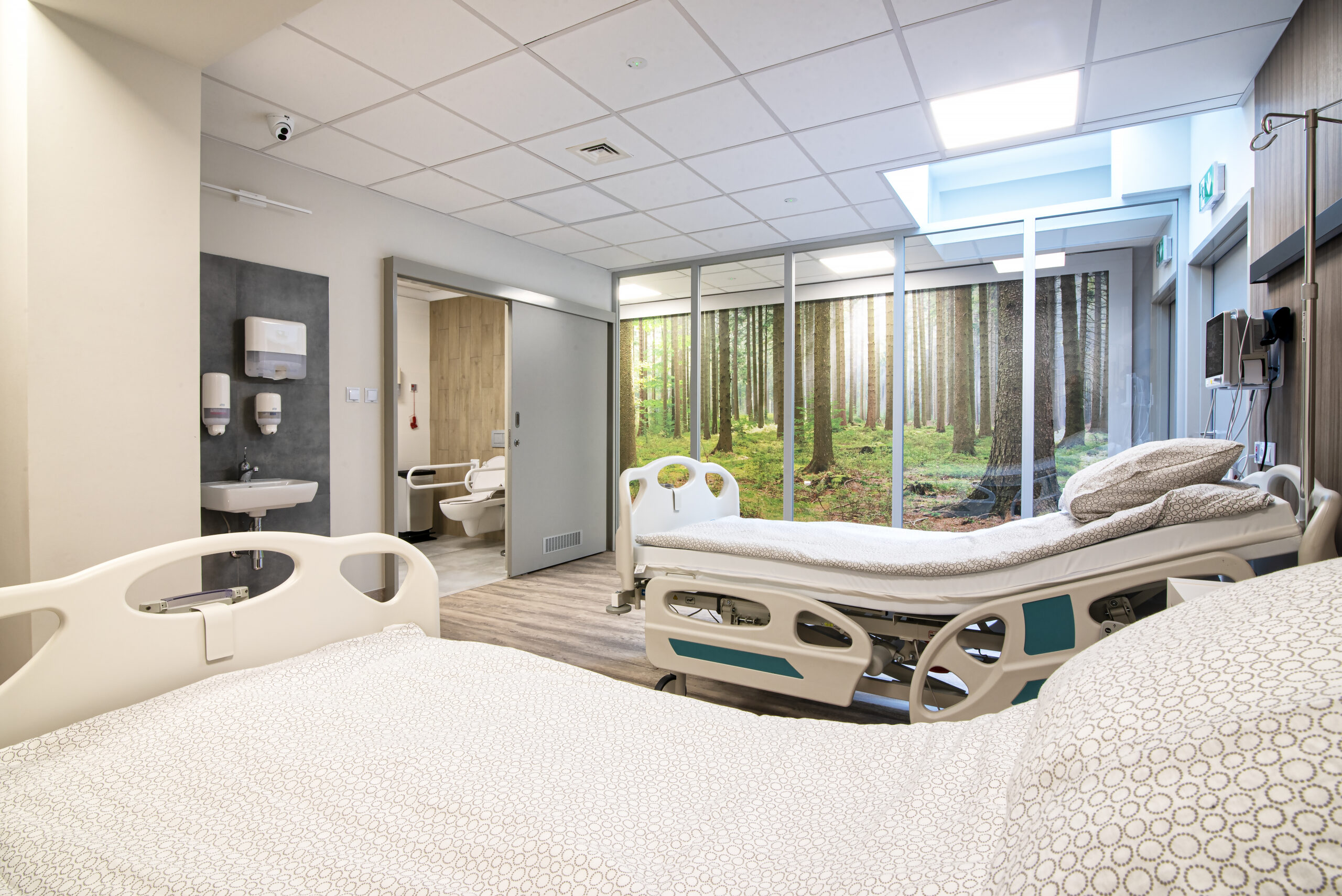
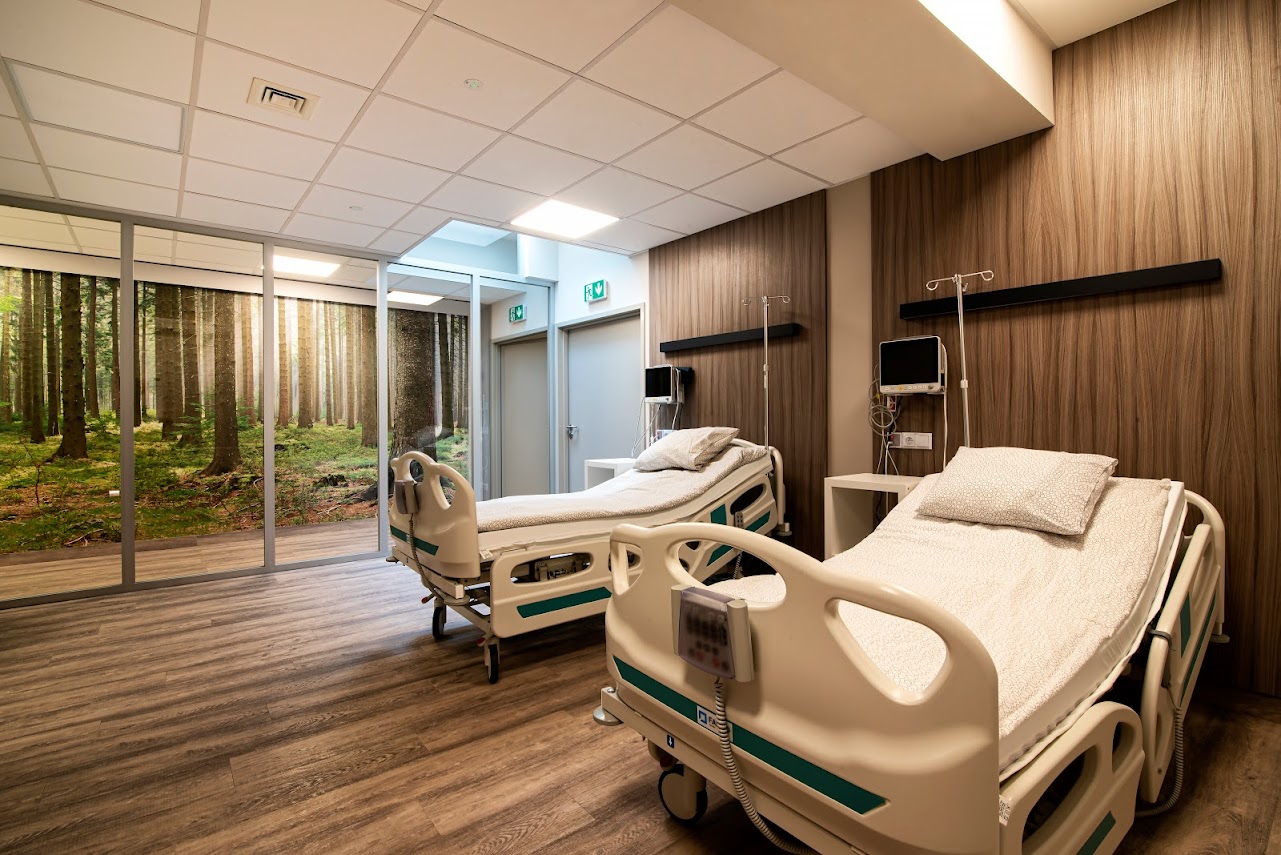
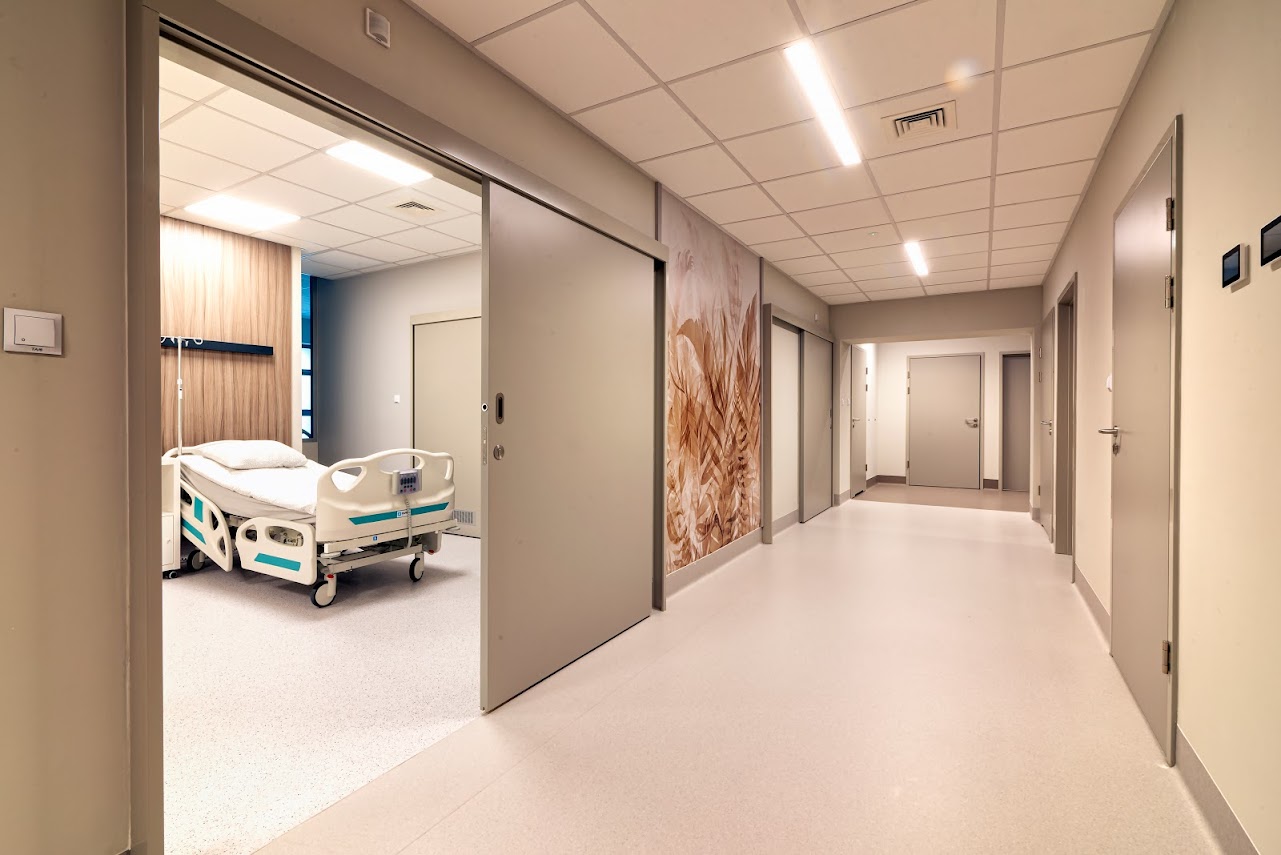
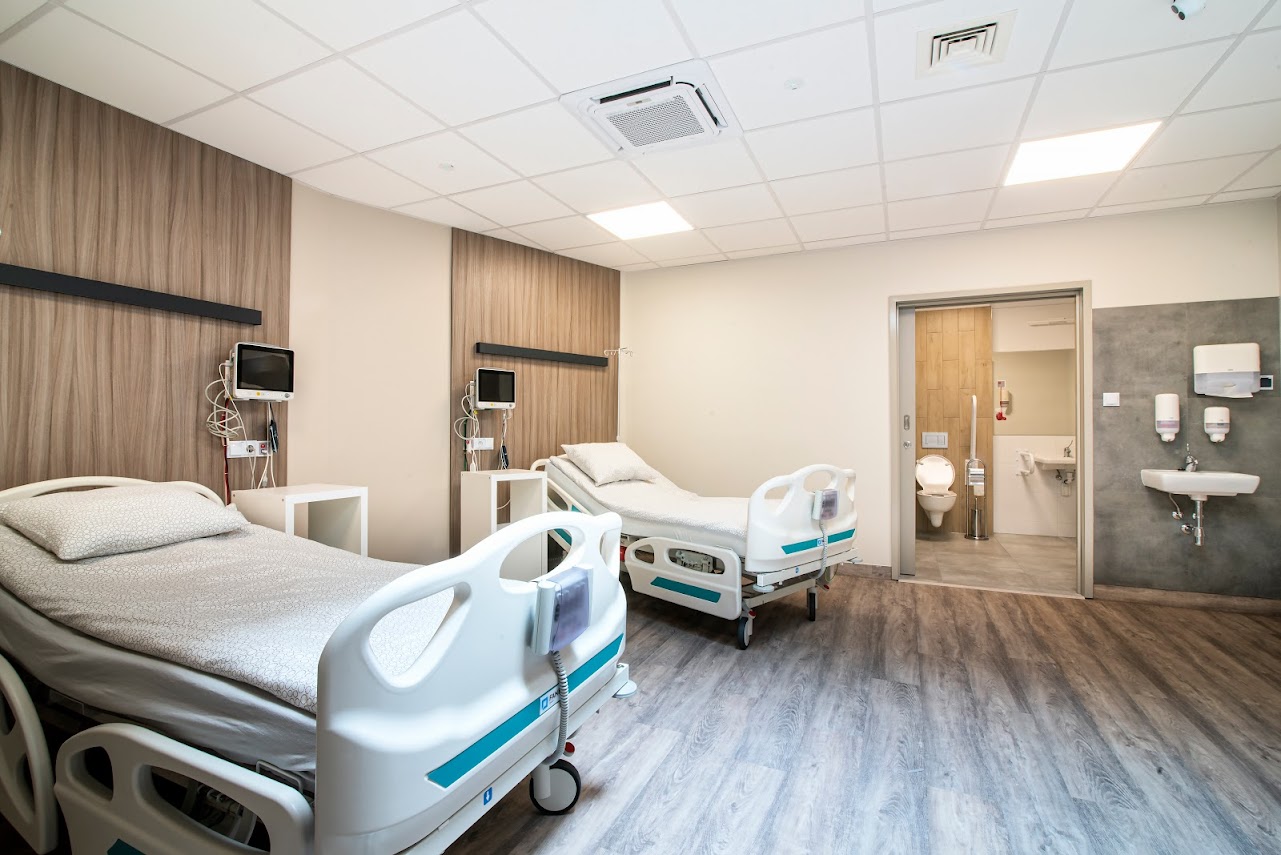
Interiors of the WILMED Hospital


Price list
Treatment Price List
Hysteroscopic removal of uterine cavity lesions
Call us
FAQ
Preparation for the procedure
Pre-procedure recommendations
Description of the hysteroscopy procedure
Zalecenia po zabiegu
Contraindications to performing the hysteroscopy procedure
Operative hysteroscopy – where to have the procedure in Warsaw?
Operative hysteroscopy in Warsaw – where is it offered?
Operative hysteroscopy in Warsaw – where to ultimately go?
Operative hysteroscopy at the WILMED Clinic
Contact
Call us
Contact us
Address
ul. Wiktorii Wiedeńskiej 9a lok.U2
02-954 Warszawa - Wilanów
Data Protection Officer
Katarzyna Mączyńska - MBRK
[email protected]
Opening hours
Monday to Friday
from 08:00 to 20:00