


Home /
Arthroscopic reconstruction of the knee ligaments
The procedure enables a return to sports activity!
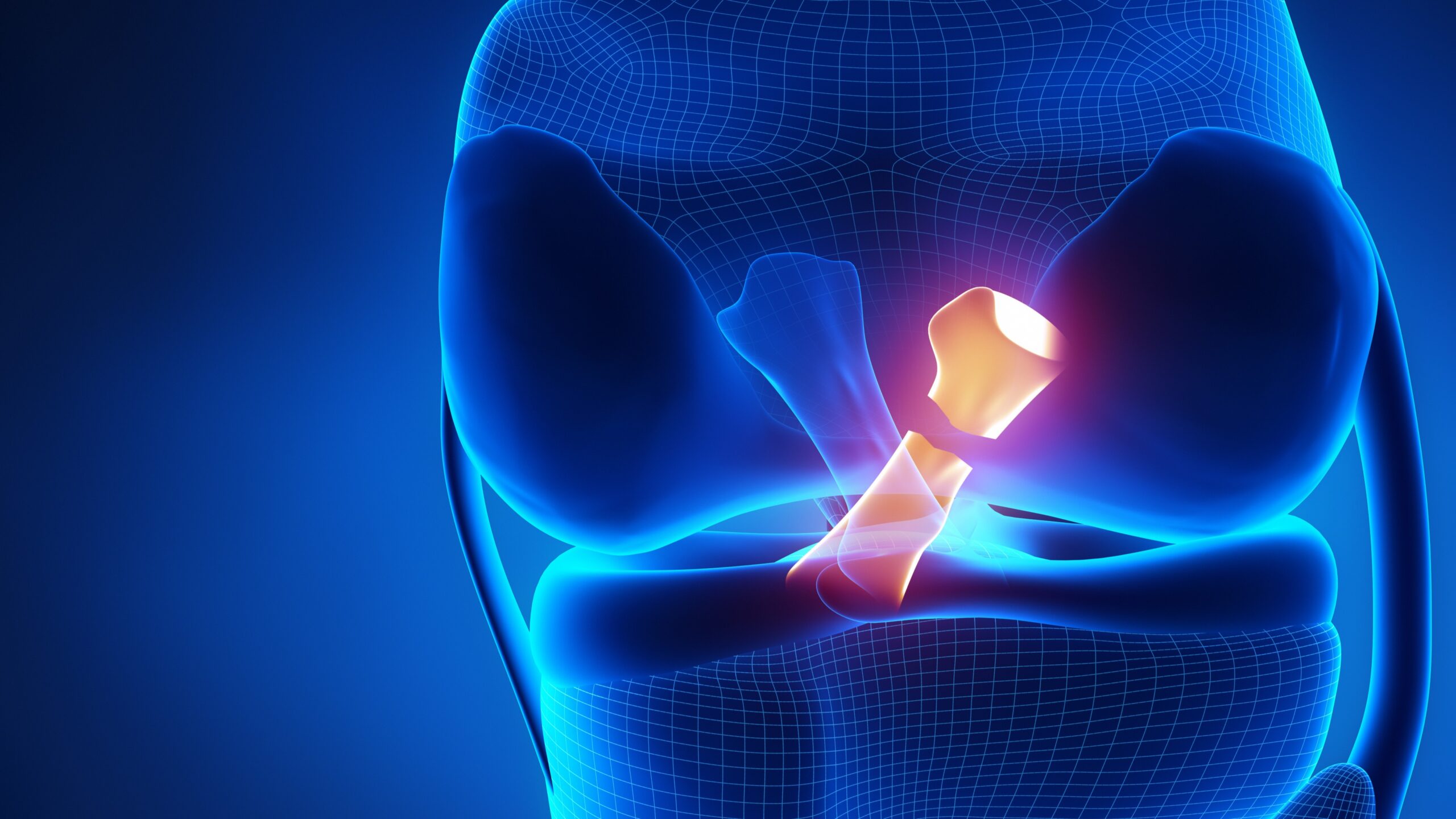
Torn knee cruciate ligament
- Tears of the anterior or posterior cruciate ligament are very common injuries affecting both athletes engaged in dynamic sports such as football, basketball, or skiing, as well as others who sustain injuries, for example, during various types of accidents.
The knee is one of the most heavily loaded joints in our body, containing, among others, two important ligaments: the anterior cruciate ligament (ACL) and the posterior cruciate ligament (PCL). These ligaments provide joint stability while allowing mobility.
- When one of these ligaments is torn, the knee becomes unstable, which can lead to further damage and pain. This situation may indicate the need for arthroscopic reconstruction of the torn ligament.
- It should be emphasized that surgery is the only effective solution to the primary cause of the injury.
However, it is important to remember that the injury causing the ligament tear usually does not affect only the ligament itself but often also damages accompanying ligaments and menisci.
Call us
Indications for ligament reconstruction surgery
The decision to perform ligament reconstruction surgery depends, among others, on:
- the degree of ligament damage,
- the location of the rupture,
- the overall health condition of the patient,
- the patient’s lifestyle and professional activity.
In cases of partial tears or minor injuries, treatment may include non-surgical methods such as physiotherapy, strengthening and stabilizing exercises, as well as immobilization of the joint for a certain period.
However, the decision to operate should not be delayed!
It is recommended that the reconstruction of the torn ligament be performed no later than six months after the injury.
Sometimes it is also better to wait with reconstruction until the post-injury process subsides. This time can be used for preliminary rehabilitation, which facilitates subsequent postoperative recovery.
Indications for performing such a procedure include:
- knee joint instability, a feeling of the joint “giving way”
- limited range of motion,
- pain,
- failure of non-invasive treatment methods such as physiotherapy or pharmacotherapy.
Call us
Benefits of ligament reconstruction using the arthroscopic method
Modern and minimally invasive arthroscopic surgical methods used during the reconstruction of torn knee ligaments offer numerous benefits for the Patient, including, among others:
Reduced risk of complications
due to the high precision of the performed surgical procedure.
Quick return home
Depending on the extent of the procedure, the patient may return home even on the day of surgery.
Shortened postoperative rehabilitation period
Rehabilitation begins the day after the procedure.
Minimal scarring
Thanks to the use of an arthroscope and micro-instruments, only small scars form at the sites where the tools are inserted into the joint.
Lower risk of perioperative infection
The minimally invasive nature of the procedure reduces the possibility of perioperative infection.
Faster recovery and return to sports
Due to the less invasive procedure and the ability to start rehabilitation quickly, the patient recovers faster and can return to sports activities sooner.
Call us
Specialists
The experience of our specialists and the modern methods and devices used during procedures enable them to achieve excellent therapeutic results.
You can undergo arthroscopic knee ligament reconstruction at Wilmed Hospital, and the specialist performing such procedures is:

Call us
What does the torn ligament reconstruction surgery involve?
The goal of ligament reconstruction surgery is to restore the proper function and stability of the joint as well as to prevent further damage to the cartilage surfaces and menisci or degenerative changes.
This procedure is most often performed using a minimally invasive arthroscopic method, which involves inserting an arthroscope (microcamera) and special surgical instruments into the joint through small incisions, allowing even very complex operations to be performed without opening the joint. The course of the surgery is observed on a television monitor, often with significant magnification.
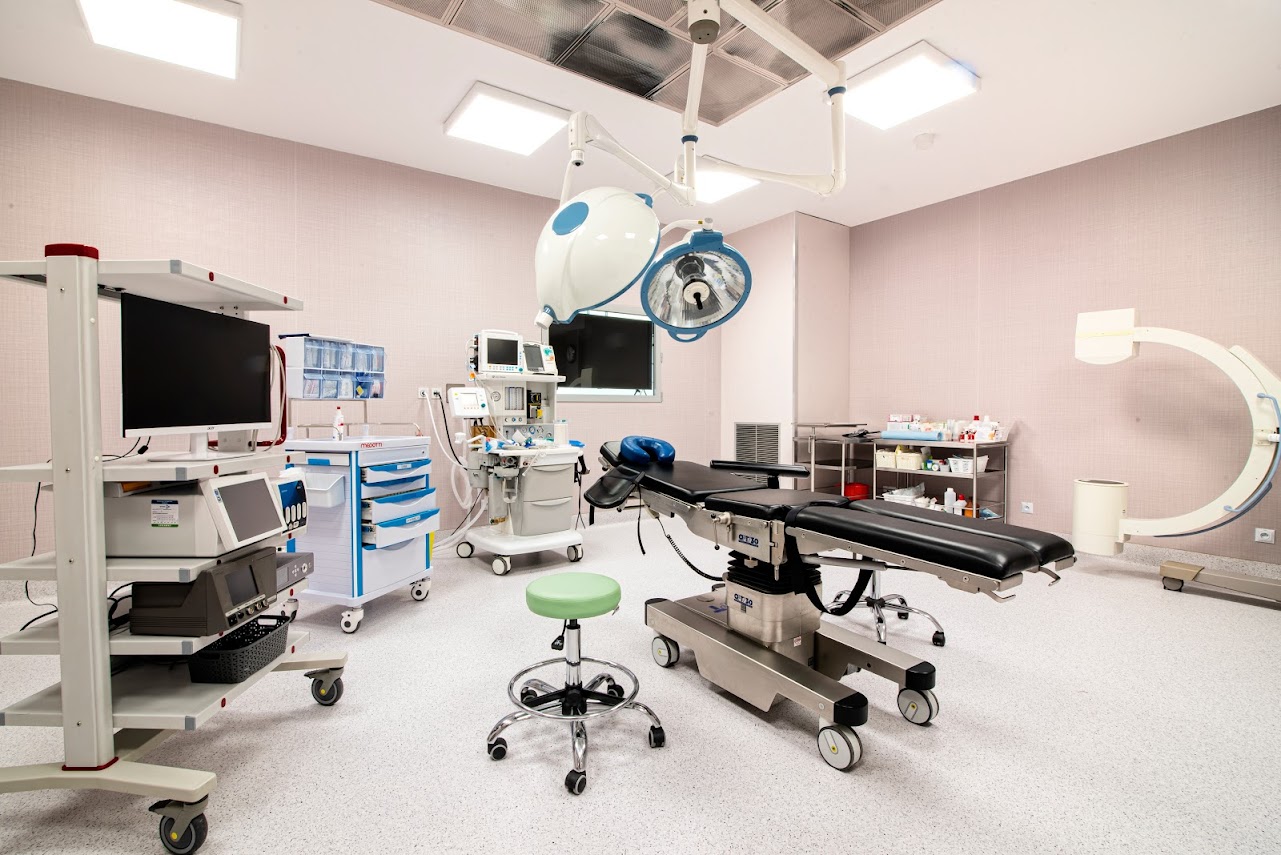
Knee ligament reconstruction surgery is performed in the operating room under regional anesthesia (spinal) or general anesthesia. The patient is positioned lying on the operating table. The operated knee is placed on a special support. During the surgery, the orthopedic surgeon removes the damaged ligament and replaces it with a new one, which may be an autograft (tendons or ligaments taken from the patient near the operated joint) or a frozen graft from a tissue bank, known as an allograft, or a synthetic ligament.
Dr Piotr Ciszewski and Dr Janusz Kurek on the TVP2 program "Operation Health"
In the program, Dr. Piotr Ciszewski and Dr. Janusz Kurek explain the complex mechanism of our knee, the possible injuries or diseases of the knee, how to diagnose them, and most importantly, how to treat them. You can learn how knee surgeries are performed at our Wilmed Hospital and see the outcomes of such operations through the story of Mr. Wojciech. We hope watching this film will dispel many of your doubts. You are welcome to watch.

What Sets Us Apart
- A team of experienced specialists
- Access to modern treatment methods
- Holistic approach to the patient
- Possibility of comprehensive diagnostics
- Excellent facility conditions
- Care by a specialized nursing staff
- Comprehensive postoperative care
Call us
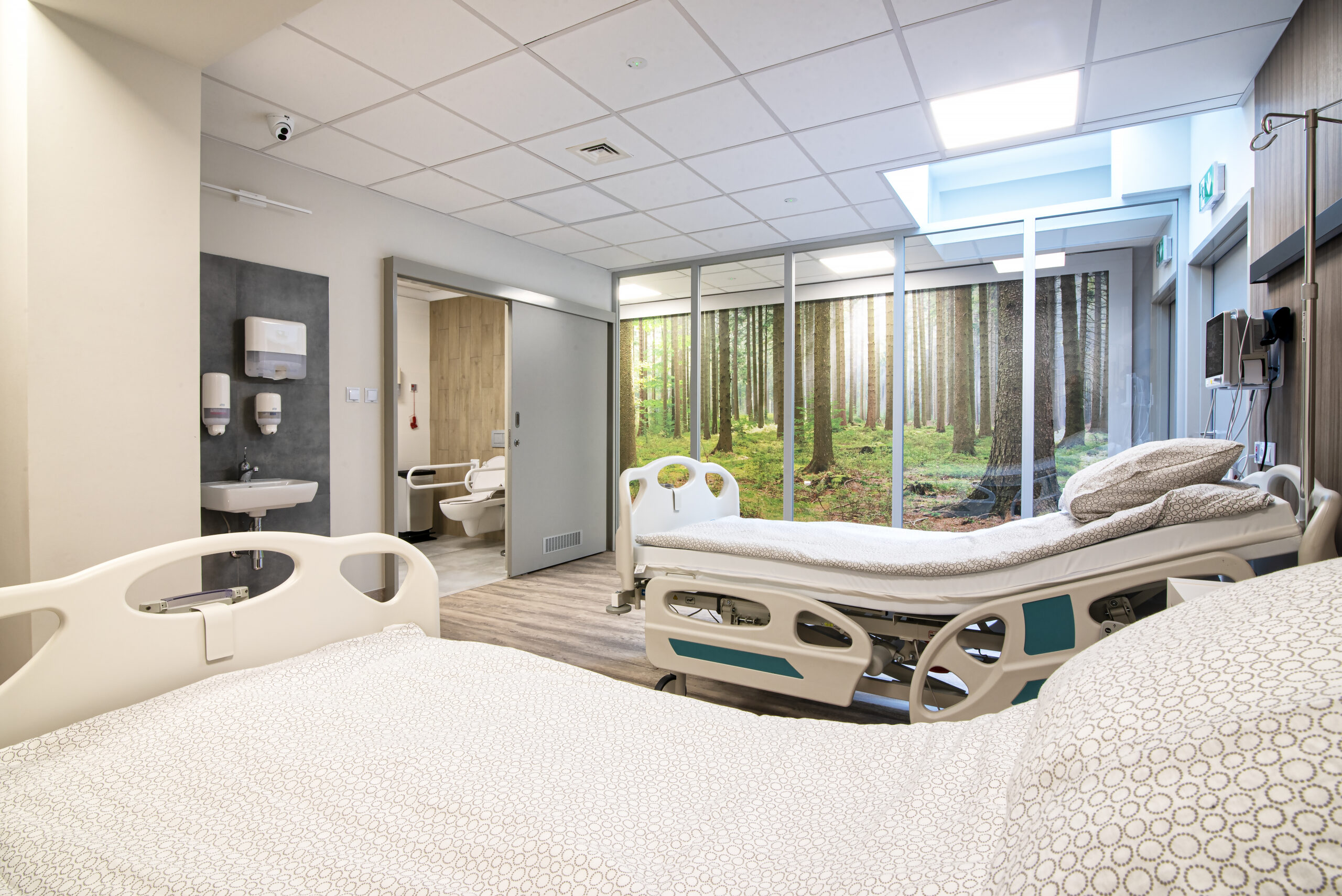
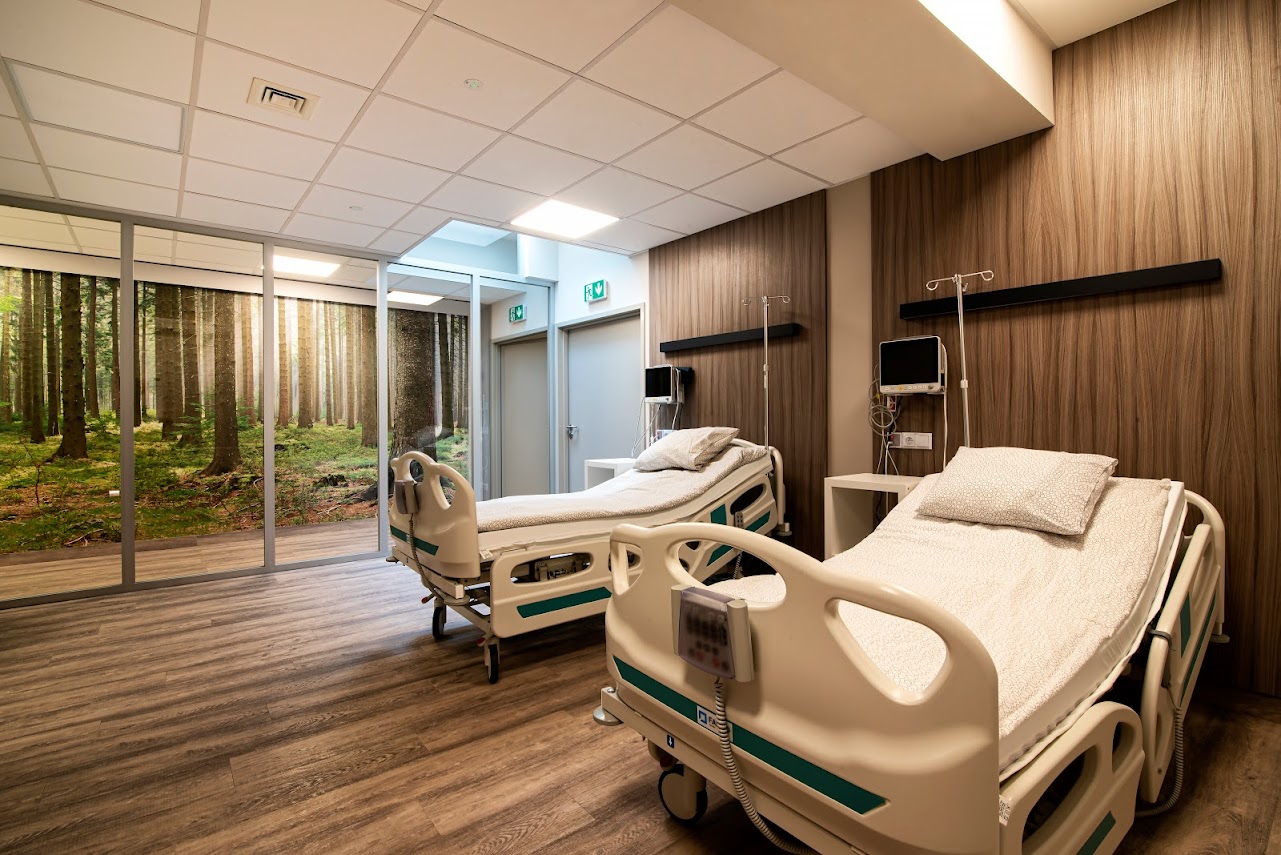
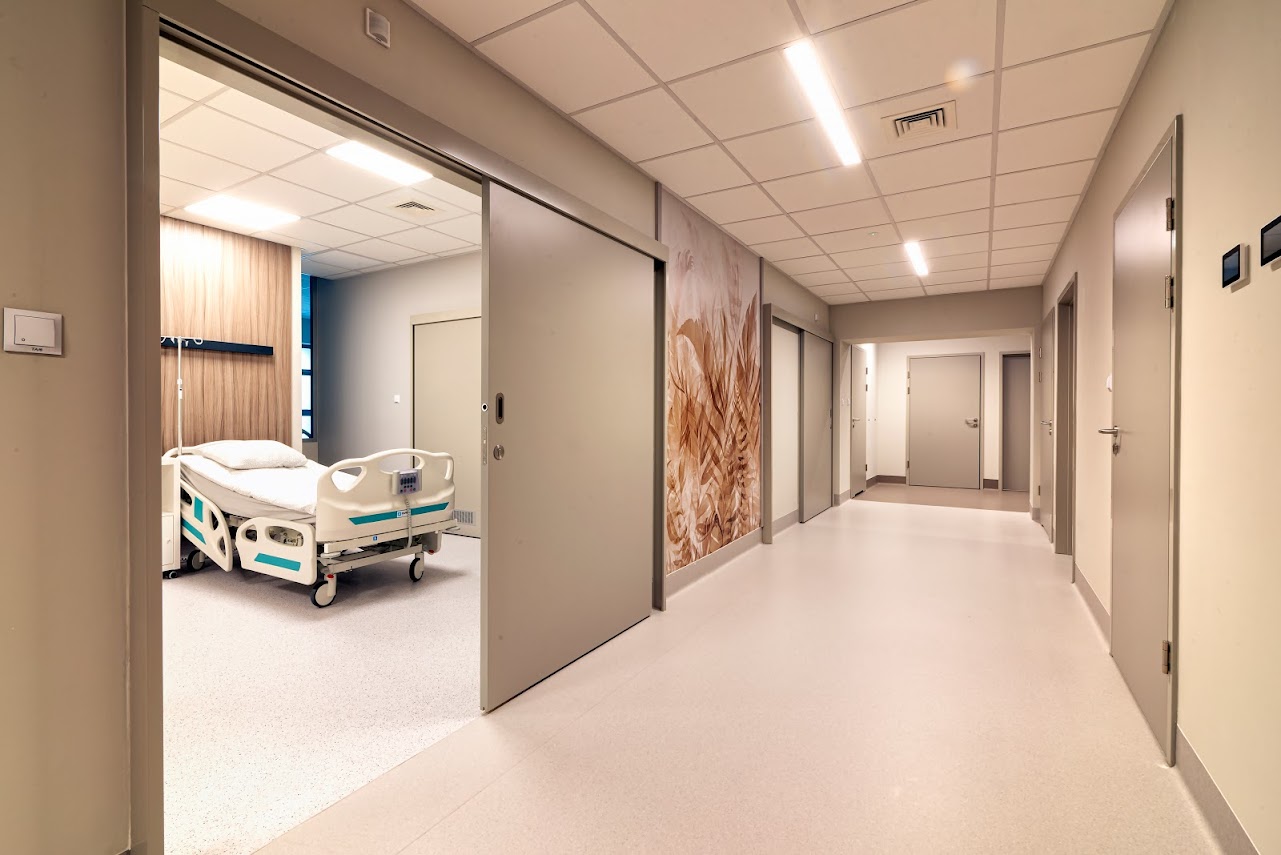
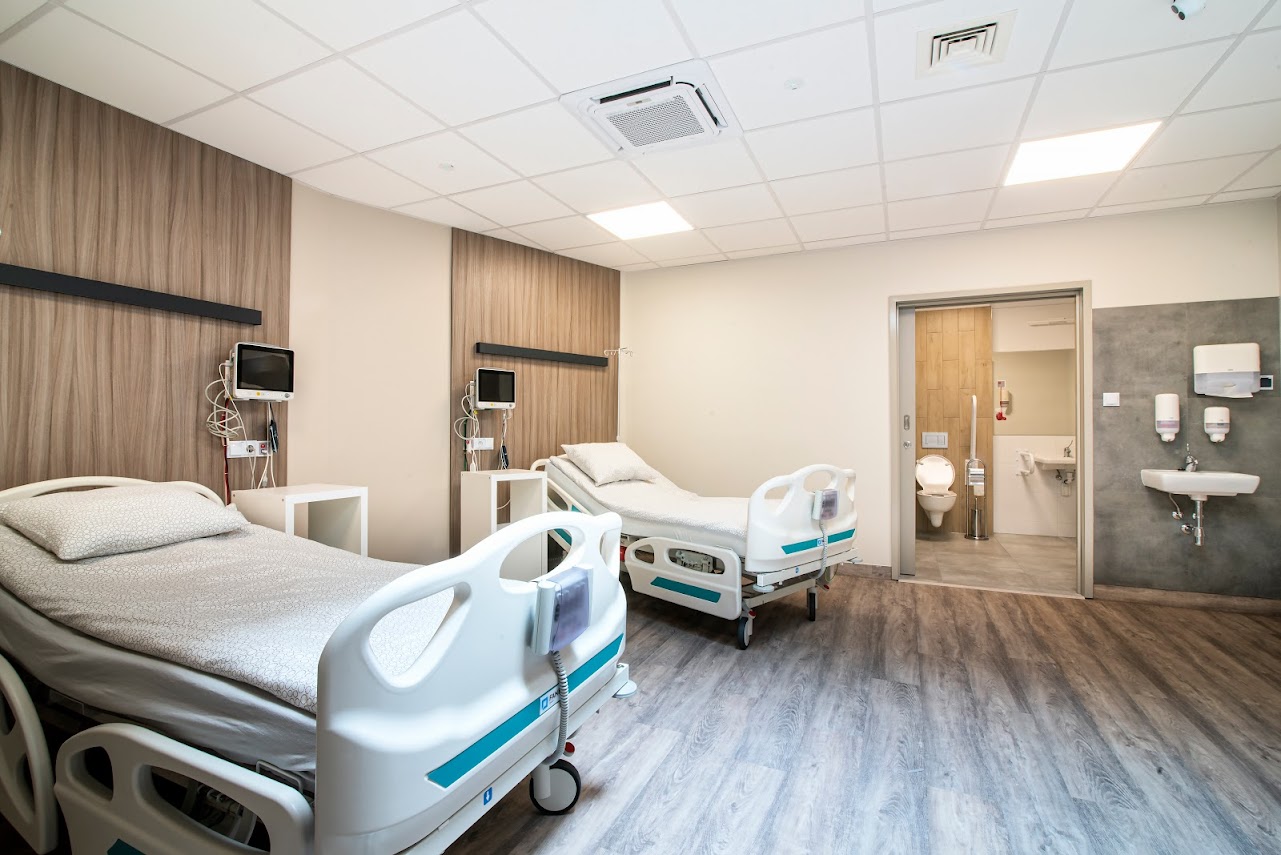
Interiors of the WILMED Hospital


Call us
Price list
Treatment Price List
Cruciate ligament reconstruction
Call us
FAQ
What are the symptoms of cruciate ligament rupture?
When is ligament reconstruction necessary?
Is reconstruction the only treatment method?
Is the procedure painful?
How long does the recovery take?
When can one return to sports?
Does reconstruction provide lasting improvement in knee stability?
Are there scars after the procedure?
Does every patient qualify for the procedure?
Knee ligament reconstruction – where to have the procedure in Warsaw?
Knee ligament reconstructions in Warsaw – where are they offered?
Knee ligament reconstructions in Warsaw – where to ultimately go?
Knee ligament reconstruction at WILMED Hospital in one day
Contact
Call us
Contact us
Address
ul. Wiktorii Wiedeńskiej 9a lok.U2
02-954 Warszawa - Wilanów
Data Protection Officer
Katarzyna Mączyńska - MBRK
[email protected]
Opening hours
Monday to Friday
from 08:00 to 20:00