



Hydrocele surgery
Effective hydrocele treatment and a swift return to comfortable living.
Effective hydrocele treatment
Hydrocele is a condition characterized by the accumulation of fluid around the testicle within the scrotum. The condition may develop gradually and remain painless for a long time, but as the hydrocele enlarges, it can cause a feeling of heaviness, discomfort during daily activities, as well as aesthetic and functional issues.
Modern surgical treatment allows effective removal of the hydrocele and restoration of the patient’s quality of life.
The procedure is performed in surgical conditions using proven and safe surgical techniques.
Zadzwoń do nas
What is a hydrocele?
A hydrocele is an accumulation of fluid between the layers of the testicle, causing enlargement of the scrotum. The condition may occur unilaterally or bilaterally and affect both adult men and children.
A hydrocele may be:
- congenital,
- traumatic,
- inflammatory,
- postoperative,
- idiopathic, meaning developing without a clear cause.
Although hydroceles are usually benign, urological diagnostics are necessary to exclude other scrotal diseases.

Symptoms of hydrocele
The most commonly observed symptoms are:
- enlargement of the scrotum,
- a feeling of heaviness in the testicle area,
- discomfort while walking or during physical activity,
- a sensation of tightness in the scrotal skin,
- difficulties in daily functioning,
- aesthetic concerns.
In most cases, hydrocele develops gradually and initially does not cause pain. Sudden enlargement of the scrotum or severe pain requires urgent specialist consultation.
Zadzwoń do nas
What does hydrocele surgery involve?
Hydrocele surgery involves removing or properly treating the membranes containing fluid to prevent its reaccumulation.
The procedure is most often performed under regional or general anesthesia.
The surgeon makes a small incision in the scrotum, removes the accumulated fluid, and treats the testicular membranes in a way that reduces the risk of hydrocele recurrence.
The removed material may be sent for histopathological examination if there are diagnostic indications.
Specialists
The experience of our specialists and the modern methods and devices used during procedures enable them to achieve excellent therapeutic results.
You can have hydrocele surgery at Wilmed Hospital, and the specialists treating this condition are:


lek. med
Piotr SurowskiSpecialist in general surgery, oncological surgery, proctology
Przejdź dalej

Advantages of surgical treatment of hydrocele
Modern surgical treatment effectively removes the lesion and improves the patient’s daily comfort.
Effective removal of the cause of the problem
The surgery allows for the permanent removal of the hydrocele and reduces the risk of recurrence of symptoms.
Improved quality of life
Reducing the volume of the scrotum helps to limit the feeling of heaviness, discomfort while walking, and problems related to daily activities.
Better comfort during physical activity
After recovery, many patients experience a noticeable improvement in comfort during movement, work, and sports activities.
Improved appearance of the scrotum
Removal of the hydrocele restores a more natural appearance of the scrotum and reduces aesthetic discomfort.
Short hospitalization
The procedure usually involves a short hospital stay and a relatively quick return to daily activities. Discharge home may occur the same day.
Safe and proven treatment method
Hydrocele surgery is a standard and effective urological procedure performed for many years.
Zadzwoń do nas
Recovery after the procedure
After surgery, temporary swelling, mild pain, or discomfort in the scrotal area may occur. These symptoms usually gradually subside during the healing period.
For a certain period, it is recommended to limit intense physical activity and follow the doctor’s instructions regarding hygiene and postoperative check-ups.
Most patients return to their daily activities after a relatively short recovery period.

When to see a urologist?
Enlargement of the scrotum, a feeling of heaviness, or concerning changes in the testicles always require specialist consultation.
Early diagnosis allows exclusion of other conditions and selection of the appropriate treatment method.
Modern urological surgery enables effective and safe treatment of hydrocele with attention to patient comfort and a quick return to daily functioning.
Zadzwoń do nas
What sets us apart
- We provide care from experienced urology specialists
- Procedures are performed using modern techniques and methods
- Patients can return home the same day
- Health outcomes combined with comprehensive urological care
- We ensure full discretion and respect for patient privacy
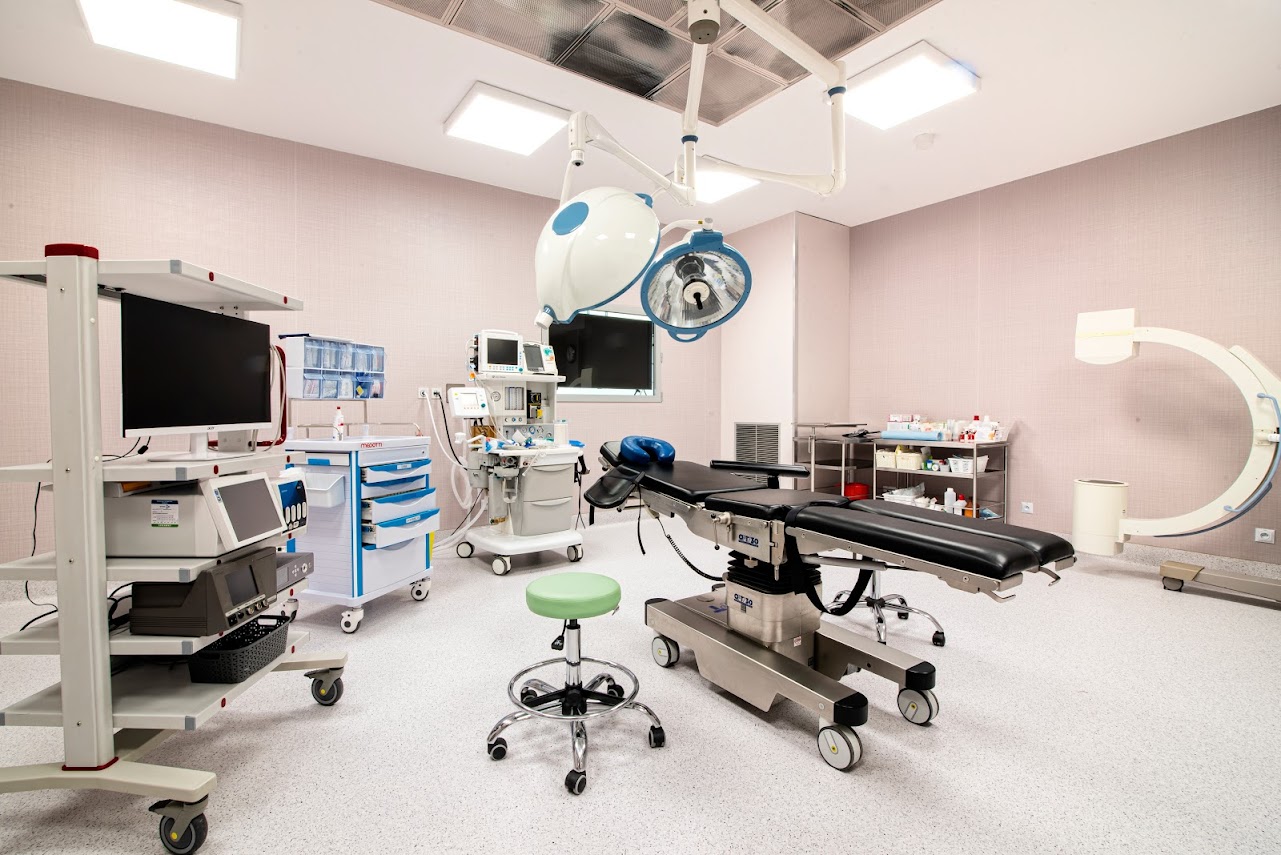
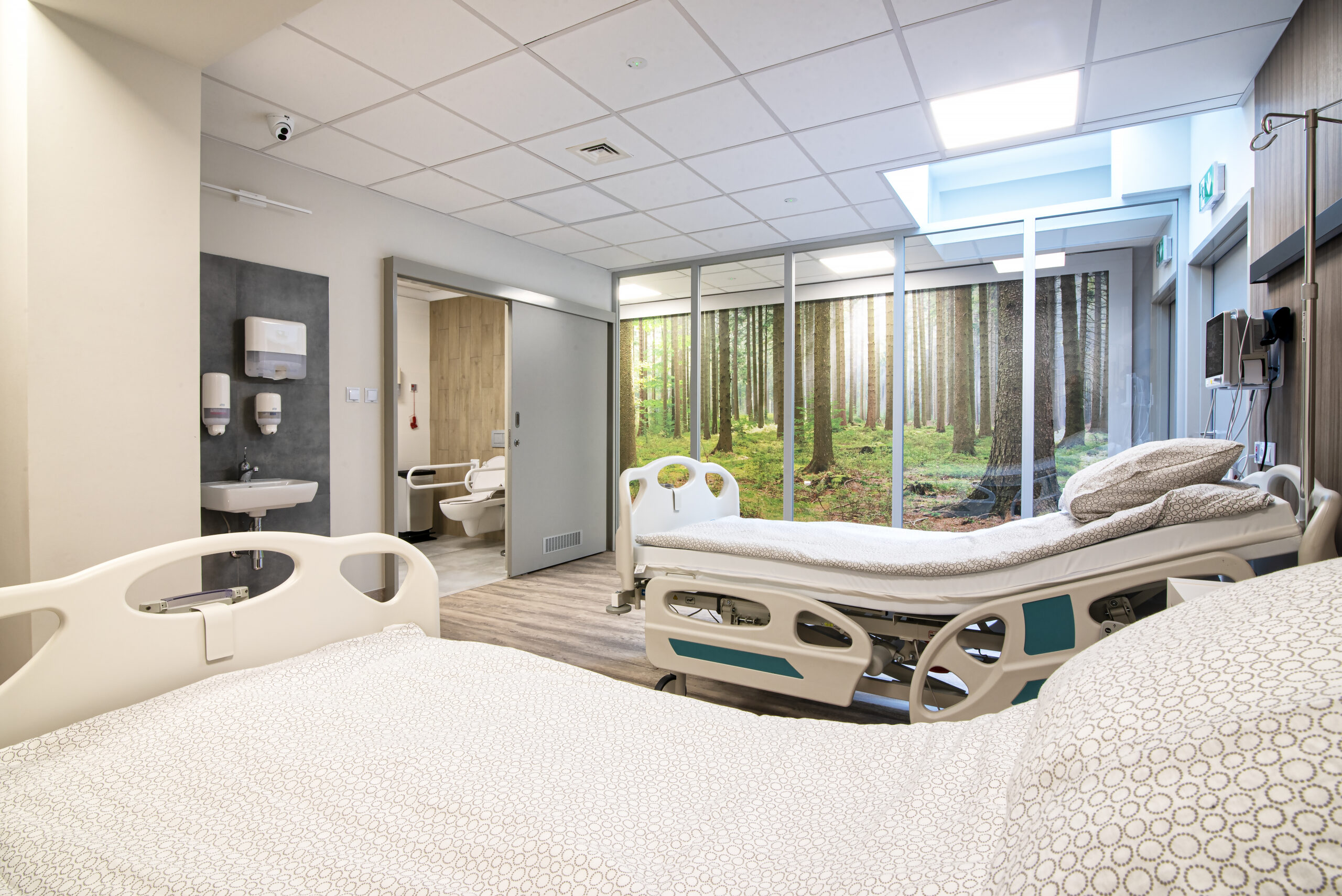
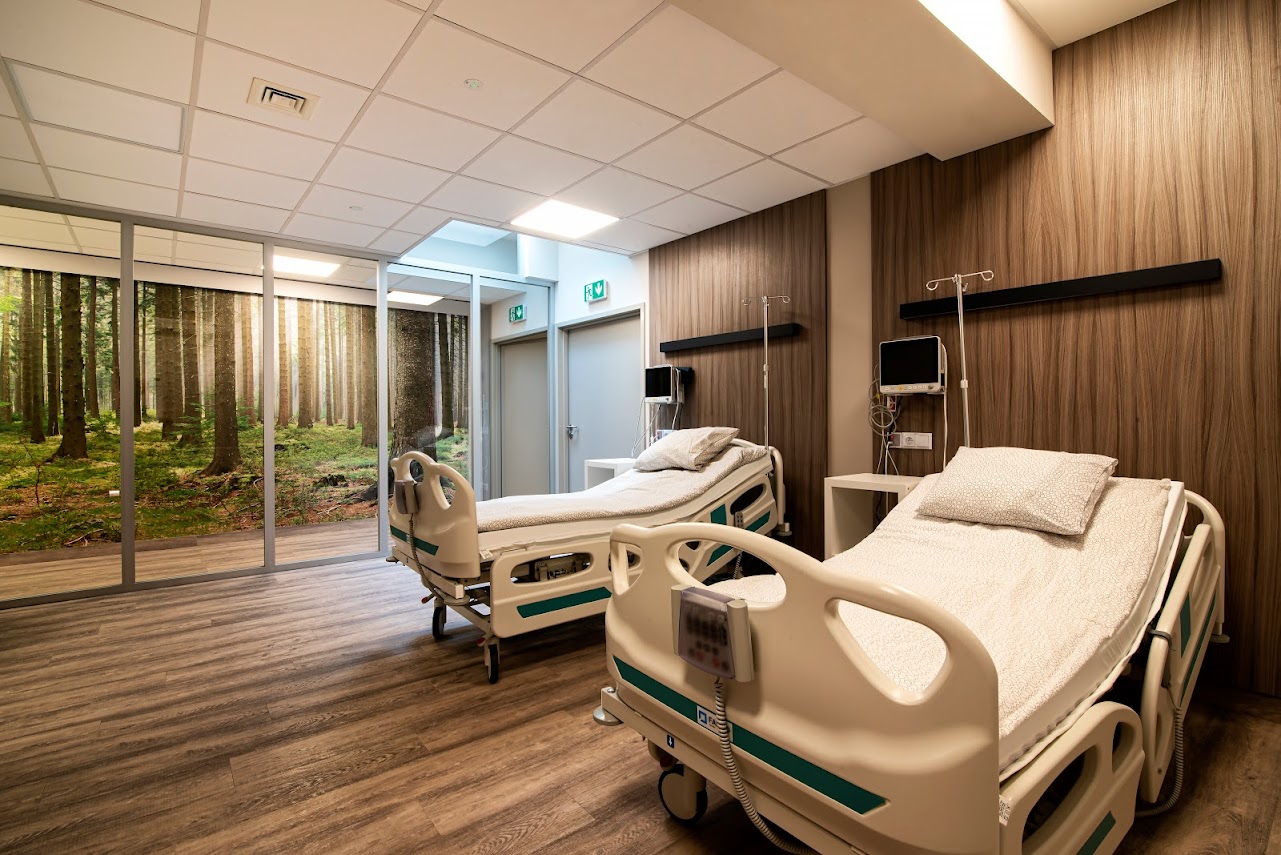
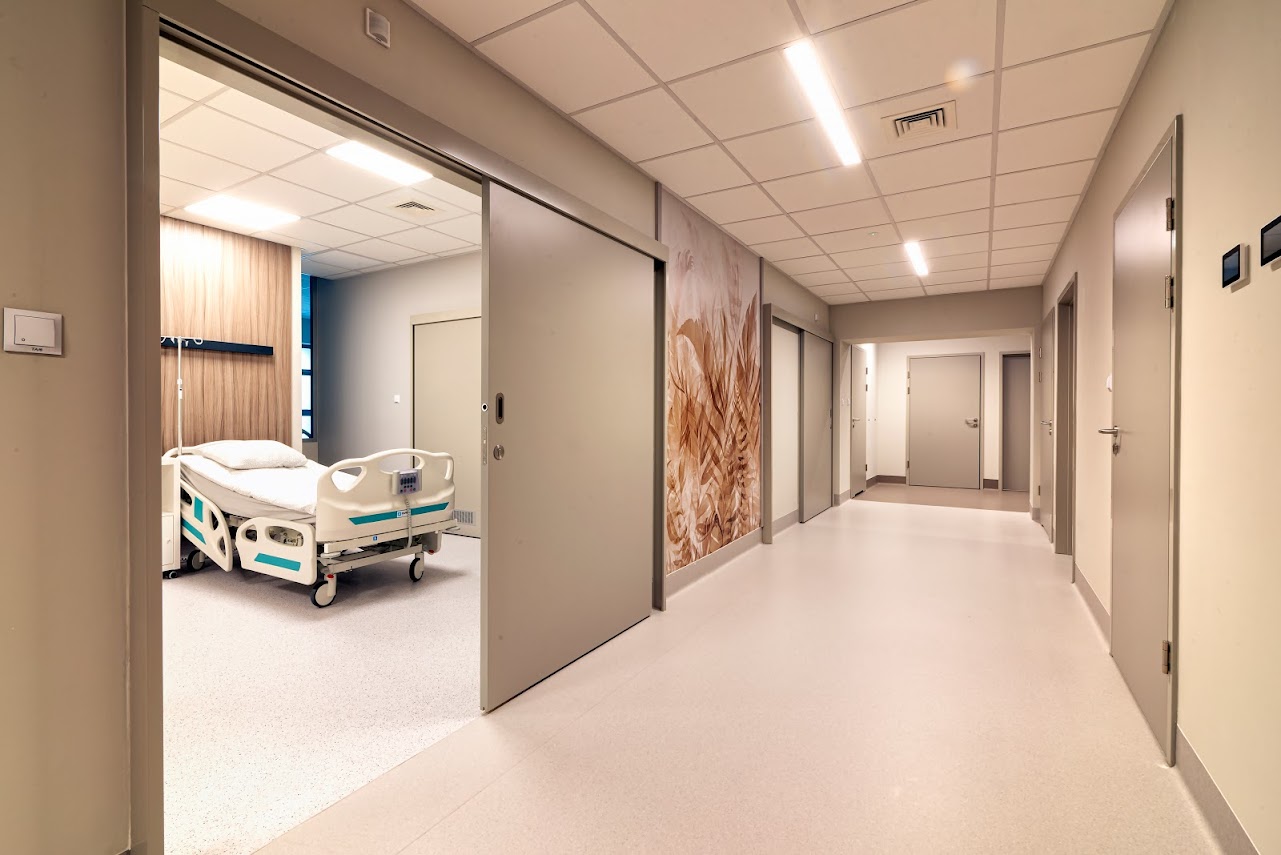
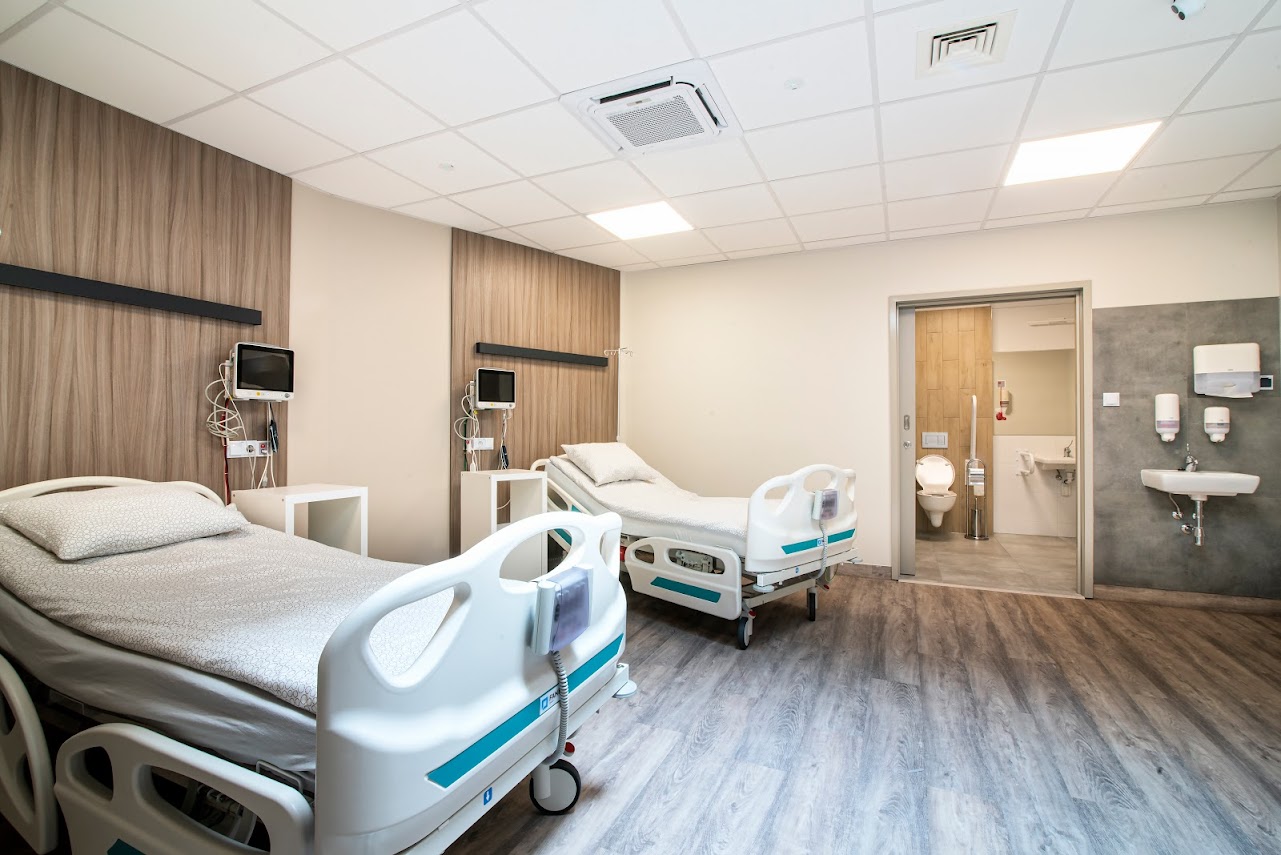
Interiors of the WILMED Hospital


Zadzwoń do nas
Price list
Cennik zabiegów
Hydrocele surgery
Zadzwoń do nas
Hydrocele surgery – operative procedures
The definitive treatment is surgical drainage of the hydrocele and excision of the membranes, which can be performed as a day procedure.
Every referral for surgery must be preceded by a surgical consultation during which the surgeon will assess the possibilities and contraindications for the operation. In some cases, a cardiology or internal medicine consultation may also be required in addition to the surgical referral.
Before surgery, the following tests are performed: ECG, blood group, glucose, electrolytes, complete blood count, INR, urea, Hbs antigen, anti-HCV antibodies, anti-HIV antibodies. The patient is also required to sign consent for surgical treatment and anesthesia (anesthesiology interview).
The surgery is most often performed under local anesthesia with intravenous sedation. Before the procedure, the patient receives a medication that acts as a relaxant (reducing nervous tension) and a sedative. This medication usually causes patients not to remember the surgery itself or any sensations associated with it.
The duration of the surgery is approximately 1 – 2 hours. After the procedure, the patient remains in the clinic under individual nursing care for about 8 hours, and then can go home independently. Two postoperative follow-up visits are scheduled at times agreed upon with the surgeon.
Preparation for hydrocele surgery
Two weeks before the procedure, tests should be performed, including: complete blood count with smear, electrolyte levels (sodium and potassium), coagulation profile, blood group determination, glucose level, urea and creatinine concentration, APTT determination, general urine test and culture, ECG, chest X-ray, antibody levels (HBS, HCV), and Hbs antigen. The scope of tests may vary depending on the patient’s health condition.
From 2 to 7 days before the procedure, it is recommended to discontinue anticoagulant medications. In some cases, it may be necessary to apply anticoagulant therapy in the form of low molecular weight heparin injections. Vaccination against hepatitis B is advisable. Additionally, an ultrasound examination is valuable for diagnostic purposes.
Hydrocele removal surgery is always preceded by a surgical consultation, usually conducted the day before the procedure. Several hours before the surgery, fasting is required. Self-shaving of the skin in the surgical area is generally not recommended to avoid possible local inflammation that could prevent the operation.
Zadzwoń do nas
FAQ
Qualification for the procedure: when to operate on a testicular hydrocele?
Procedure course – two methods of operating on a testicular hydrocele
Recovery after testicular hydrocele surgery – recommendations
Contraindications for a planned procedure
Is a hydrocele dangerous?
Can a hydrocele resolve on its own?
Possible complications after hydrocele surgery
Hydrocele surgery – where to have the procedure in Warsaw?
Hydrocele surgeries in Warsaw – where are they offered?
Hydrocele surgery in Warsaw – where to ultimately go?
Testicular hydrocele surgery at the WILMED Clinic
Kontakt
Zadzwoń do nas
Skontaktuj się z nami
Adres
ul. Wiktorii Wiedeńskiej 9a lok.U2
02-954 Warszawa - Wilanów
Inspektor danych osobowych
Katarzyna Mączyńska - MBRK
[email protected]
Godziny otwarcia
Od poniedziałku do piątku
w godzinach od 08:00 do 20:00