


Minimally invasive removal of ovarian and adnexal cysts
Effective treatment of lesions with care for the ovarian reserve and the patient's fertility.
Modern surgical treatment in gynecology
Ovarian cysts and adnexal lesions are common gynecological conditions that can cause pain, menstrual irregularities, discomfort in the lower abdomen, and sometimes affect fertility and the patient’s daily functioning.
Contemporary gynecology offers effective and modern surgical treatment methods that allow for minimally invasive removal of lesions, with attention to safety, comfort, and a quick return to activity.
Depending on the type and nature of the lesion, it is possible to remove the cyst alone, the affected ovary, or the entire adnexa. Each treatment plan is individually tailored, taking into account the patient’s age, test results, symptoms, and motherhood plans.
What are ovarian cysts and adnexal lesions?
Ovarian cysts are fluid-filled or otherwise content-filled lesions that develop within the ovary. Many are benign and may resolve spontaneously, however, some require surgical treatment.
The adnexa include the ovaries and fallopian tubes – organs with important hormonal and reproductive functions. Lesions developing in these areas may be functional, inflammatory, endometrial, or neoplastic in nature.
Regular gynecological check-ups and appropriate diagnostics allow early detection of abnormalities and implementation of effective treatment.

When should the procedure be considered?
Not every cyst requires surgery, however, interventional treatment is recommended when the lesion:
- causes pain or chronic discomfort,
- grows rapidly,
- does not resolve despite observation,
- causes a feeling of pressure in the lower abdomen,
- is associated with the risk of ovarian torsion,
- recurs,
- raises diagnostic doubts in ultrasound examination,
- occurs after menopause.
NOTE!
Early initiation of treatment often allows avoiding complications and more extensive surgeries in the future.
Zadzwoń do nas
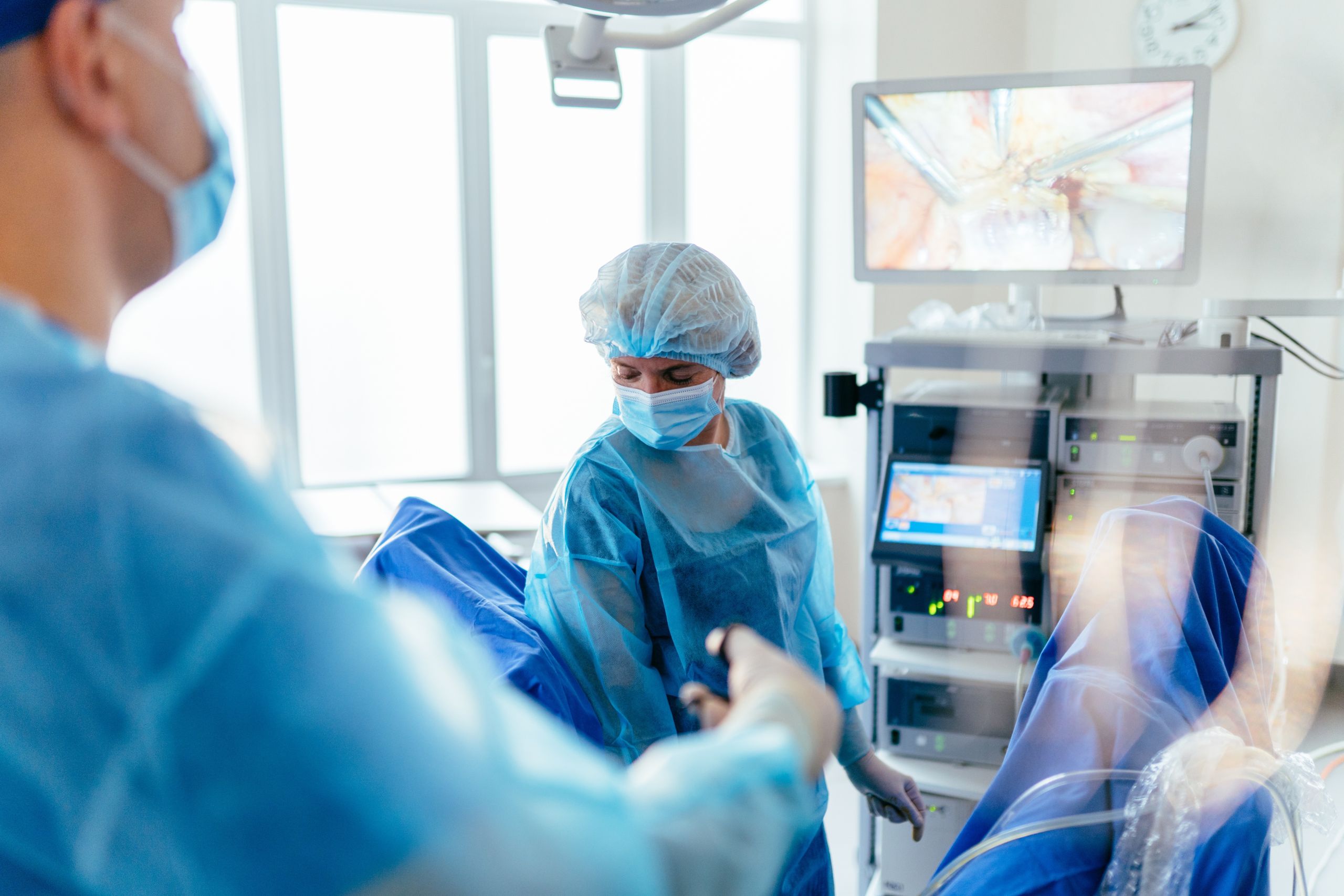
Minimally invasive ovarian cyst removal
In many cases, a tissue-sparing procedure is possible, involving removal of the cyst alone while preserving healthy ovarian tissue. The surgery is most often performed using the laparoscopic method – through several small incisions in the abdominal wall.
Modern laparoscopic surgery allows very precise removal of the lesion with minimal surgical trauma.
Through several small incisions in the abdominal wall, a laparoscopic camera and specialized surgical instruments are introduced. The camera image is displayed in high magnification, allowing precise assessment of the lesion and safe performance of the procedure while preserving as much healthy ovarian tissue as possible. This is especially important for women planning pregnancy and patients for whom preserving ovarian hormonal function, i.e., maintaining the so-called ovarian reserve, is important.
When is removal of adnexa necessary?
In some situations, removal of the ovary or entire adnexa may be necessary. This mainly applies to cases where:
- the lesion occupies a significant part of the ovary,
- the ovary is severely damaged,
- there is suspicion of neoplastic changes,
- adnexal torsion occurs,
- extensive endometrial or inflammatory lesions are present,
- the patient’s safety requires a broader scope of treatment.
The decision on the extent of surgery is always made individually and preceded by thorough diagnostics.
Zadzwoń do nas
Specialists
The experience of our specialists and the modern methods and devices used during procedures enable them to achieve excellent therapeutic results.
Minimally invasive uterine fibroid removal procedures are performed at Wilmed Hospital, and the specialists treating this condition are:

dr. n. med
Małgorzata Reinholz-JaskólskaSpecialist in gynecologic oncology and gynecology and obstetrics
Przejdź dalej
Zadzwoń do nas
Advantages of minimally invasive treatment of ovarian and adnexal cysts
Minimally invasive surgical techniques allow effective treatment of gynecological lesions with significantly less burden on the body compared to traditional open surgery.
Thanks to the use of laparoscopy, it is possible to combine high treatment effectiveness with greater postoperative comfort.
Less surgical trauma
The procedure is performed through small incisions, which limits tissue damage and reduces the strain on the body. As a result, patients usually experience a better postoperative course.
Shorter hospital stay
In most cases, hospitalization lasts only 1 day. A shorter hospital stay means greater psychological comfort and a faster return home.
Faster return to daily activities
Most patients return to normal functioning much sooner than after traditional surgical methods. This is especially important for professionally active women and those with families.
Less pain after the procedure
Laparoscopy is generally associated with less pain than classic surgery. A shorter and milder recovery period allows a quicker return to everyday comfort.
Better aesthetic outcome
Small incisions leave small, less visible scars. For many patients, this is important not only aesthetically but also psychologically.
Precise and safe treatment
Modern laparoscopic equipment allows for very accurate visualization of the operated structures, enabling precise removal of lesions while maximizing the preservation of healthy tissues.
Reduced risk of complications and adhesions
Minimally invasive surgical techniques help limit the risk of postoperative adhesions and other complications associated with extensive surgeries.
Possibility to preserve ovarian function
In selected cases, it is possible to remove only the cyst without the need to remove the entire ovary. This is especially important for women planning motherhood.
Zadzwoń do nas
Do not delay diagnosis and treatment
Chronic lower abdominal pain, a feeling of pressure, menstrual disorders, or a detected ovarian cyst are symptoms that should not be ignored!
Early gynecological consultation allows for selecting the appropriate treatment method and increases the chance of a less burdensome procedure.
Modern minimally invasive gynecological surgery effectively treats lesions within the ovaries and adnexa while ensuring the patient’s health, safety, and comfort.
Zadzwoń do nas
Symptoms of ovarian cysts and adnexal lesions
Ovarian cysts and adnexal lesions may not cause any symptoms for a long time and can be detected incidentally during a gynecological exam or ultrasound. However, in some cases, they may lead to discomfort affecting daily functioning and quality of life.
The most common symptoms include:
- pain or a pulling sensation in the lower abdomen,
- a feeling of pressure or fullness in the abdominal cavity,
- bloating,
- irregular menstruation,
- painful periods,
- pain during intercourse,
- more frequent urination,
- difficulty conceiving.
Sudden, severe lower abdominal pain may indicate ovarian torsion or cyst rupture and requires urgent medical consultation!
Regular gynecological check-ups and appropriate diagnostics allow early detection of lesions and selection of the safest treatment method.
Zadzwoń do nas
What sets us apart
- We provide care from experienced gynecology specialists
- Procedures are performed using the most advanced techniques and methods
- Patients can return home the same day
- Health outcomes combined with patients’ psychological comfort
- We ensure full discretion and respect for patient privacy
Zadzwoń do nas
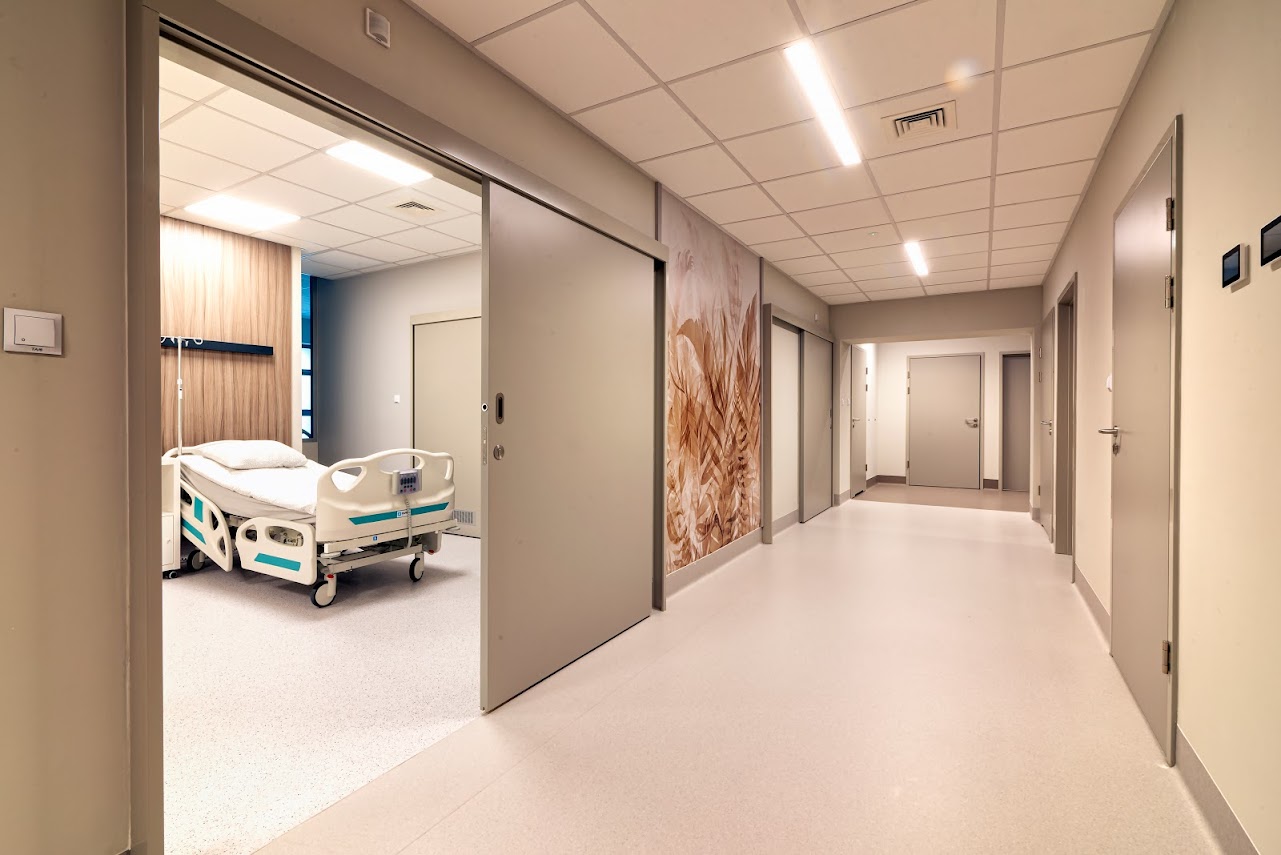
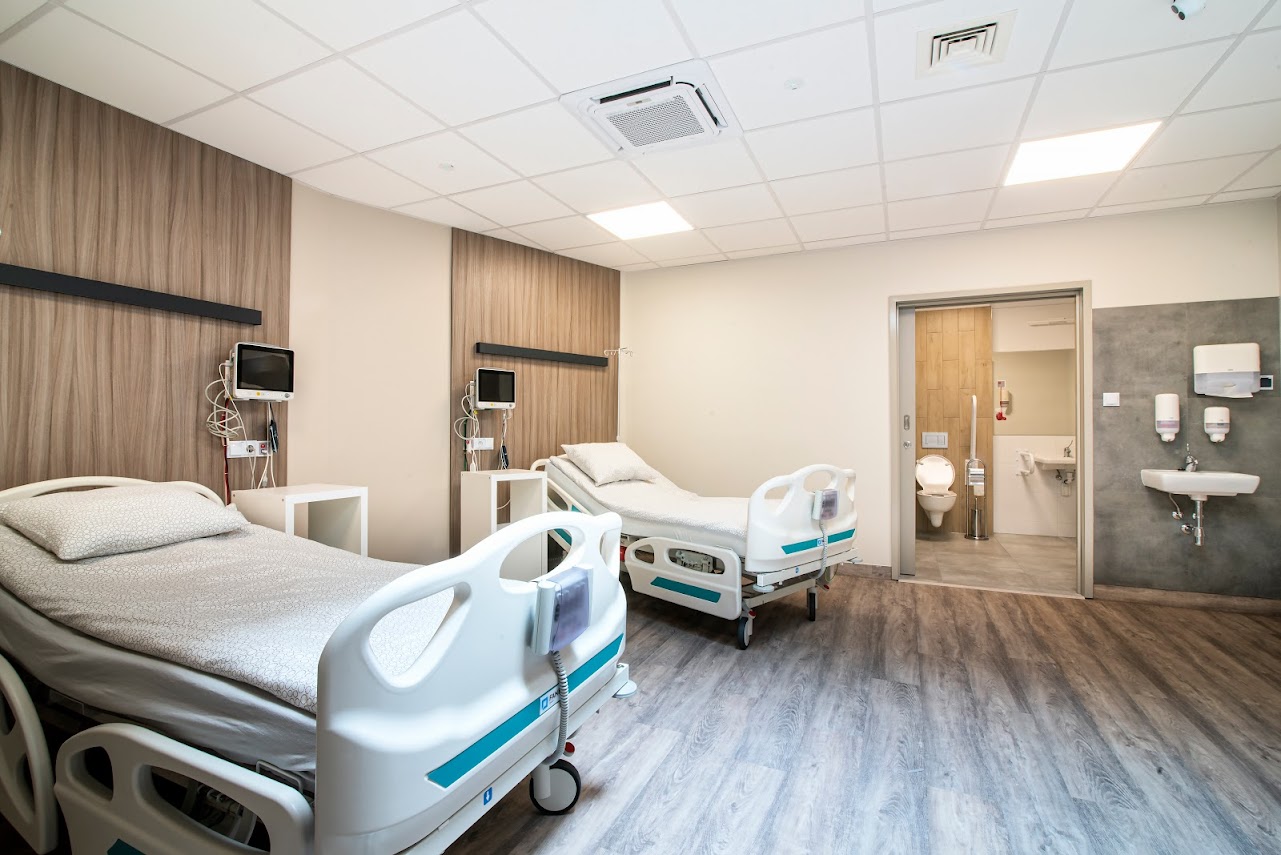
Interiors of the WILMED Hospital







Zadzwoń do nas
Price list
Cennik zabiegów
Laparoscopic removal of ovarian cysts/nodules
Laparoscopic adnexectomy
Zadzwoń do nas
FAQ
Does every ovarian cyst require surgery?
What does laparoscopic cyst removal involve?
Is the entire ovary always removed during the operation?
When is removal of the adnexa necessary?
Is laparoscopy safe?
Are there scars after the procedure?
How long is the hospital stay?
Does cyst removal affect fertility?
Does laparoscopy affect ovarian reserve?
What tests are performed before the procedure?
When is it advisable to see a specialist?
Minimally invasive removal of ovarian and adnexal cysts – where to have the procedure in Warsaw?
Minimally invasive removal of ovarian and adnexal cysts in Warsaw – where are they offered?
Minimally invasive removal of ovarian and adnexal cysts in Warsaw – where to ultimately go?
Minimally invasive removal of ovarian and adnexal cysts at WILMED Hospital
Kontakt
Zadzwoń do nas
Skontaktuj się z nami
Adres
ul. Wiktorii Wiedeńskiej 9a lok.U2
02-954 Warszawa - Wilanów
Inspektor danych osobowych
Katarzyna Mączyńska - MBRK
[email protected]
Godziny otwarcia
Od poniedziałku do piątku
w godzinach od 08:00 do 20:00