Wilmed gallbladder

Home / Laparoscopic gallbladder surgeries

Laparoscopic gallbladder surgeries

Effective treatment of gallbladder stones

Modern treatment of gallbladder stones in Warsaw

What is gallbladder stones?
  • Gallbladder stones are one of the most common digestive system disorders. They manifest as the formation of deposits (so-called stones) in the gallbladder, which can lead to painful attacks of biliary colic, inflammations, and even serious complications.
How to treat?
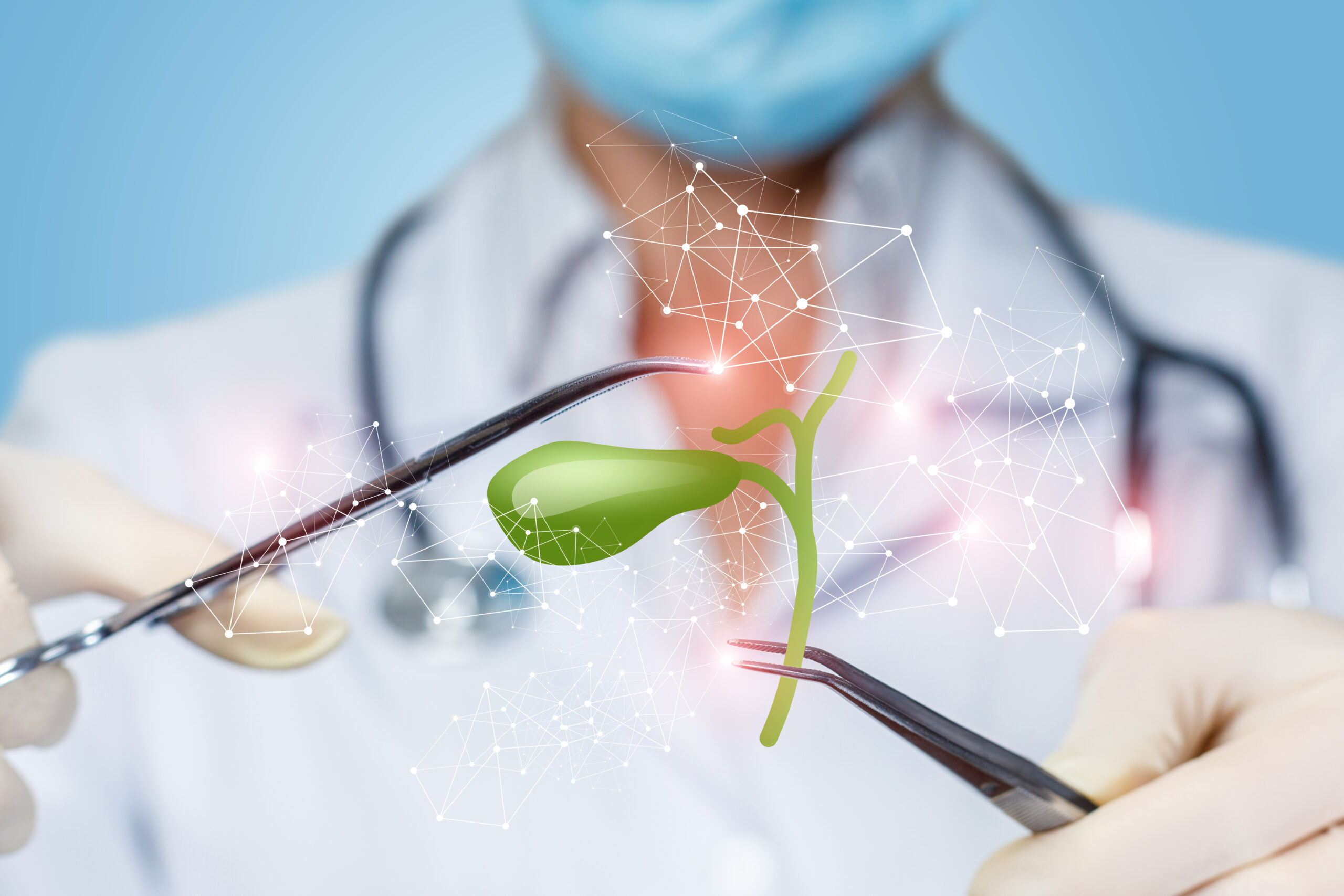
  • In cases of symptomatic or complicated gallstones, pharmacological treatment ceases to be effective. The most effective and permanent treatment for this condition is removal of the gallbladder. The surgery involves removing the entire gallbladder after securing the cystic duct and cystic artery.
  • The operation is most often performed using laparoscopic technique. This is a minimally invasive method that uses a laparoscope – a surgical instrument equipped with a miniature camera. Thanks to it, the surgeon gains access to the interior of the abdominal cavity through three small incisions in the abdominal wall without the need for large cuts.
How to prepare?
  • For the patient, preparation for gallbladder removal surgery is not particularly demanding. It is recommended to discontinue blood-thinning medications one week in advance. Basic tests assessing health status (e.g., blood tests, chest X-ray) should also be performed. On the day of the surgery, the patient should be fasting.
Contact
Book an appointment at Wilmed

Advantages of the laparoscopic method

1

Mild pain symptoms

After surgery, the patient experiences only mild pain symptoms

2

Faster return to physical and professional activity

In most cases, the patient is discharged from the hospital 1 day after the surgical procedure

3

Better aesthetic outcome

Instead of an incision normally 10-15cm long, the laparoscopic procedure can be performed through small incisions of 1-1.5cm in length

Contact
Book an appointment at Wilmed

Specialists

The experience of our specialists and the modern methods and devices used during procedures enable them to achieve excellent therapeutic results.

You can undergo laparoscopic gallbladder removal at Wilmed Clinic, and the specialists performing these procedures are:

Specialist in general surgery

Read more

General surgery specialist

Read more
Tomasz Guzel

MD, PhD

Tomasz Guzel

General surgery specialist

Read more
Contact
Book an appointment at Wilmed

Indications for the procedure

The most important indication for cholecystectomy is symptomatic gallstone disease. According to the latest guidelines, if there are no contraindications, the laparoscopic method is the gold standard in treating this condition.

The most common gallbladder diseases include:

  • gallstone disease – its most common symptoms are: pain in the right upper abdomen occurring after a heavy meal, which may radiate to the shoulder blade, vomiting, dyspeptic complaints, fat intolerance
  • cholecystitis (symptoms similar to gallstone disease but more severe, often with fever) – procedure performed as an emergency
  • empyema of the gallbladder (symptoms similar to gallstone disease but more severe, often with fever) – procedure performed as an emergency
  • hydrops of the gallbladder
  • gallbladder polyps (size >1cm or increasing during subsequent ultrasound examinations)
  • porcelain gallbladder
  • neoplastic diseases (gallbladder cancer)
Contact
Book an appointment at Wilmed

What sets us apart

  • We provide care from experienced surgical specialists
  • Procedures are performed using modern techniques and methods
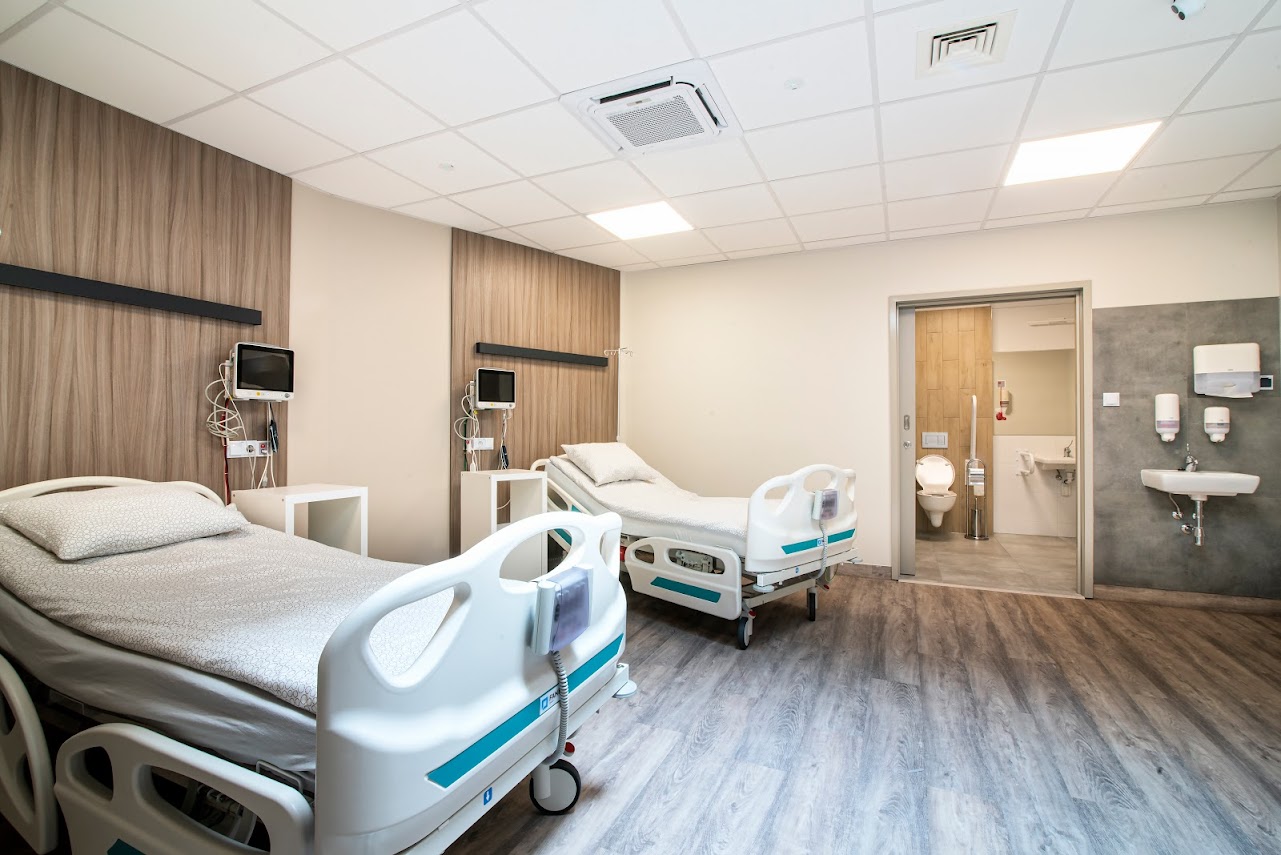
  • The next day you can return home
  • Health outcomes are combined with excellent aesthetic results
  • We ensure full discretion and respect for patient privacy
Contact
Book an appointment at Wilmed
Contact
Book an appointment at Wilmed

Price list

Treatment Price List

Laparoscopic gallbladder surgery

2 559 - 5 295€
Contact
Book an appointment at Wilmed

FAQ

Diagnostic tests
Usually, an abdominal ultrasound is sufficient to diagnose gallbladder pathology and associate it with the patient's symptoms. In case of uncertainties during the ultrasound, diagnostics can be extended with abdominal CT or MRI. If gallstones coexist with bile duct stones, an ERCP (endoscopic retrograde cholangiopancreatography) with bile duct inspection is recommended before cholecystectomy.
Preparation for the procedure
Preparation for the surgical procedure involves performing peripheral blood tests, urine tests, ECG, and other examinations recommended by the physician qualifying the patient for surgery and anesthesia. Additionally, the following guidelines are important: the patient should fast before the procedure; if there is hair on the skin, the surgical site should be shaved; all decorations such as skin and navel piercings must be removed before the procedure; the intake of previously taken medications should be consulted with the doctor and nursing recommendations regarding their discontinuation or alternative administration should be followed.
When can one return to gym workouts?
Basically, after one month.
Description of the surgical procedure
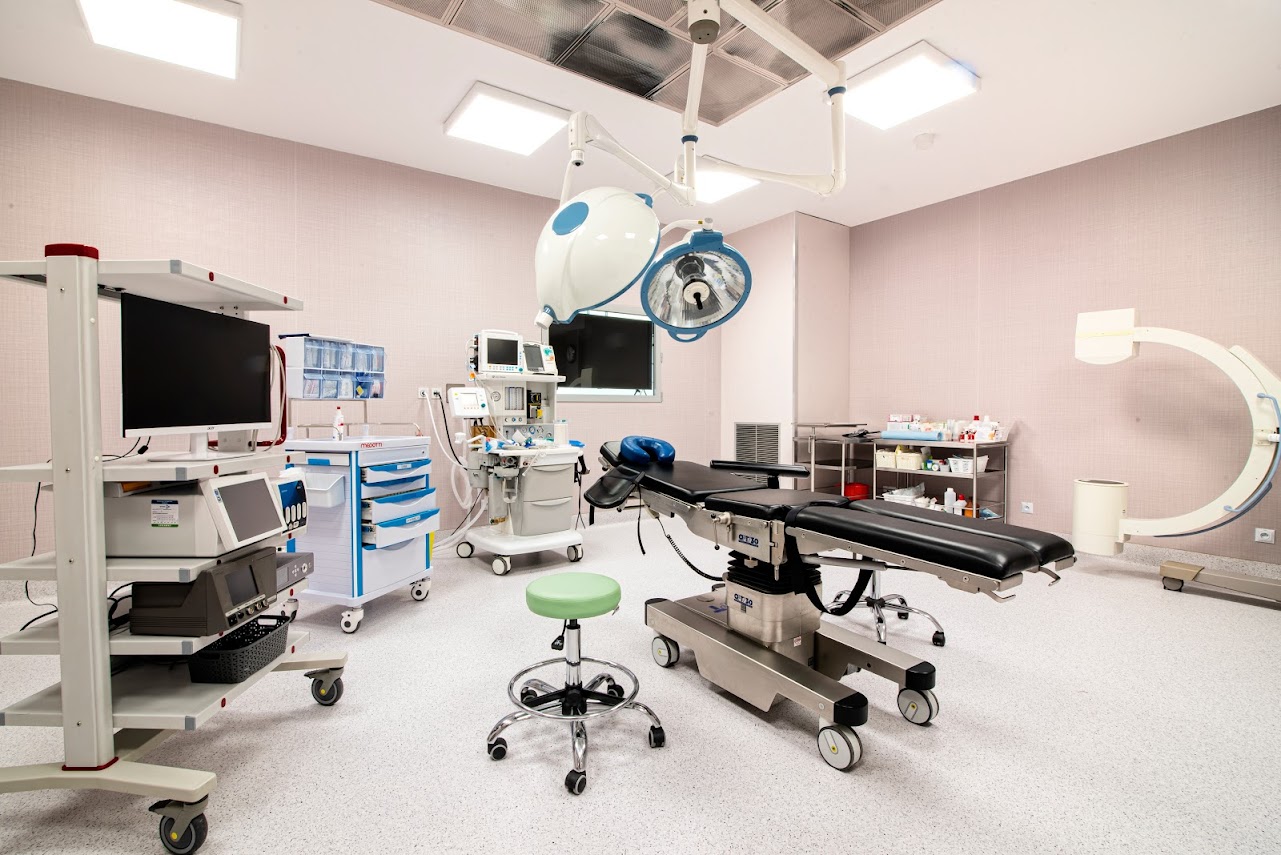
Laparoscopic gallbladder removal involves removing the entire gallbladder through several small incisions (usually 3-4) in the abdominal cavity. At the beginning of the procedure, after general anesthesia (putting the patient to sleep), a needle is inserted into the abdominal cavity through which carbon dioxide is introduced. The goal is to separate the organs that normally lie closely together. Then trocars (sharpened tubes) are inserted into the abdominal cavity, through which a camera and special surgical instruments are introduced. Surgeons watch a monitor to observe everything happening inside the abdominal cavity while simultaneously using the instruments to operate. The main part of the procedure involves dissecting and clipping the cystic artery and duct and separating the gallbladder from the liver. The removed gallbladder is taken out through an enlarged incision at the trocar site near the navel.
Laparoscopic surgery versus classical cholecystectomy
In about 5% of surgeries, circumstances require the surgeon to convert the laparoscopic procedure to an “open” (classic cholecystectomy) surgery during the operation. The most common reasons for such situations include: unclear anatomy of the dissected structures, intraoperative bleeding, massive adhesions, deterioration of cardiovascular-respiratory parameters during pneumoperitoneum. In an open cholecystectomy, access to the abdominal cavity is gained through a several-centimeter incision under the right costal margin.
Contraindications for a planned procedure
Cold or recent viral infections, severe general condition of the patient, especially decompensated systemic diseases such as: ischemic heart disease (recent myocardial infarction), heart failure, respiratory failure, cardiac arrhythmias, arterial hypertension. However, in most patients these conditions can be managed to a state allowing safe surgery, provided careful treatment and patient cooperation; severe bleeding disorders; lack of necessary test results (including imaging and laboratory tests, possibly biopsy)
Possible complications after the procedure
Bleeding and postoperative hematomas; injury to the bile ducts and/or right hepatic artery (occurs in 0.2 – 0.8% of cases); postoperative bile leakage with possible bile peritonitis; complications related to carbon dioxide presence and increased intra-abdominal pressure during surgery are rare and transient (arterial hypertension, reduced cardiac output, arrhythmias, respiratory disorders); postoperative wound infection (long-term risk of abdominal hernia); venous thromboembolic disease (deep vein thrombosis of the lower limbs, pulmonary embolism); risk of death ranges from 1.5% to 2%. It should be noted that bleeding, bile leakage, or bile duct injury detected after surgery may require reoperation.
Postoperative care
Uncomplicated postoperative treatment, which is most common, usually results in hospital discharge on the second day after laparoscopic surgery and on the 6th–7th day after classical surgery. After surgery, significant physical exertion should be limited for at least 6 weeks and a light diet is recommended (food should not be fatty, fried, or cause bloating). After this period, the diet can be gradually expanded to normal. Physical activity should also be increased. In patients with wound infection and/or who do not limit physical effort early postoperatively, an abdominal hernia may develop. Jaundice, fever, pain, and elevated liver enzymes appearing late after surgery usually indicate the presence of stones in the common hepatic duct or stricture of the common hepatic duct due to injury during the previous surgery.
What is postcholecystectomy syndrome?
Postcholecystectomy syndrome refers to a set of symptoms—mainly epigastric pain—that sometimes develop after cholecystectomy or persist despite gallbladder removal. These symptoms usually are not related to the bile ducts and are most often caused by hiatal hernia, peptic ulcer disease, pancreatitis, irritable bowel syndrome, or food intolerance. Sometimes symptoms may be related to the bile ducts and are then caused by a stone in the common bile duct, a long cystic duct remnant, or bile duct stricture.
What are the risks of not undergoing the procedure?
If a patient with symptomatic gallbladder stones does not undergo gallbladder removal surgery, they are at risk of recurrent hepatic colic attacks. This may lead to cholecystitis with all its associated complications, such as gallbladder empyema, gallbladder perforation, fistula between the gallbladder and duodenum or intestine (risking biliary obstruction of the small intestine). If stones migrate from the gallbladder into the bile ducts, mechanical jaundice may occur, and retained stones in the common bile duct can cause acute pancreatitis with all its complications.
Laparoscopic gallbladder surgery – where to have the procedure in Warsaw?
Gallbladder stones are a condition affecting an increasing number of people. Unfortunately, there is no other permanent cure for this condition than surgery. Fortunately, modern medicine offers advanced and effective surgical methods. Many medical facilities provide such procedures. So where should you go if you want to have this procedure done in Warsaw? Which facility should you choose? Our article can help you select the right clinic. Be sure to read its content!
Laparoscopic gallbladder surgeries in Warsaw – where are they offered?
If we take a moment to explore the topic, we will quickly find that various clinics in Warsaw offer laparoscopic gallbladder surgeries. However, remember that choosing the right place should never be random. We must keep in mind that the quality of such medical services varies greatly. Therefore, if we want to avoid disappointment, it is always worth carefully selecting the clinic where we will undergo the procedure.
Laparoscopic gallbladder surgeries in Warsaw – where to ultimately go?
Where then should one go to get rid of gallbladder stones? Where in Warsaw can we receive proper support in this regard? Certainly, our attention should focus on professional clinics that operate successfully in the market and employ qualified specialists. Of course, it is important that the price of the procedure aligns with our financial capabilities. However, let us remember that the highest priority is the quality of services, as well as the experience of specialists in performing this type of procedure. Additionally, it is also worth checking the reputation of individual facilities among other patients. This should not be difficult, especially since we have the Internet at our disposal, along with search engines. Typing the phrase gallbladder surgery Warsaw reviews into the search field will allow us, within seconds, to find out which clinics enjoy an impeccable reputation among patients and which are better to avoid. It is worth noting that just a few such reviews are enough to form your own opinion and determine where it is worth going for laparoscopic gallbladder surgery.
Laparoscopic gallbladder surgeries at WILMED hospital
At WILMED Hospital in Warsaw, surgeons with many years of experience perform gynecomastia removal surgeries. By choosing laparoscopic gallbladder surgery at our Clinic, patients can count on the care of an experienced team of surgeons and an individual approach at every stage of treatment. We use modern, minimally invasive techniques that ensure a high level of safety, less postoperative pain, and a faster return to daily activities. The procedure is performed in comfortable conditions, with full care for the patient and comprehensive postoperative care, which supports efficient recovery and lasting treatment effects.
Address

ul. Wiktorii Wiedeńskiej 9a lok.U2
02-954 Warszawa - Wilanów

Data Protection Officer
Katarzyna Mączyńska - MBRK
inspektor@mbrk.pl

Opening hours

Monday to Friday
from 08:00 to 20:00