


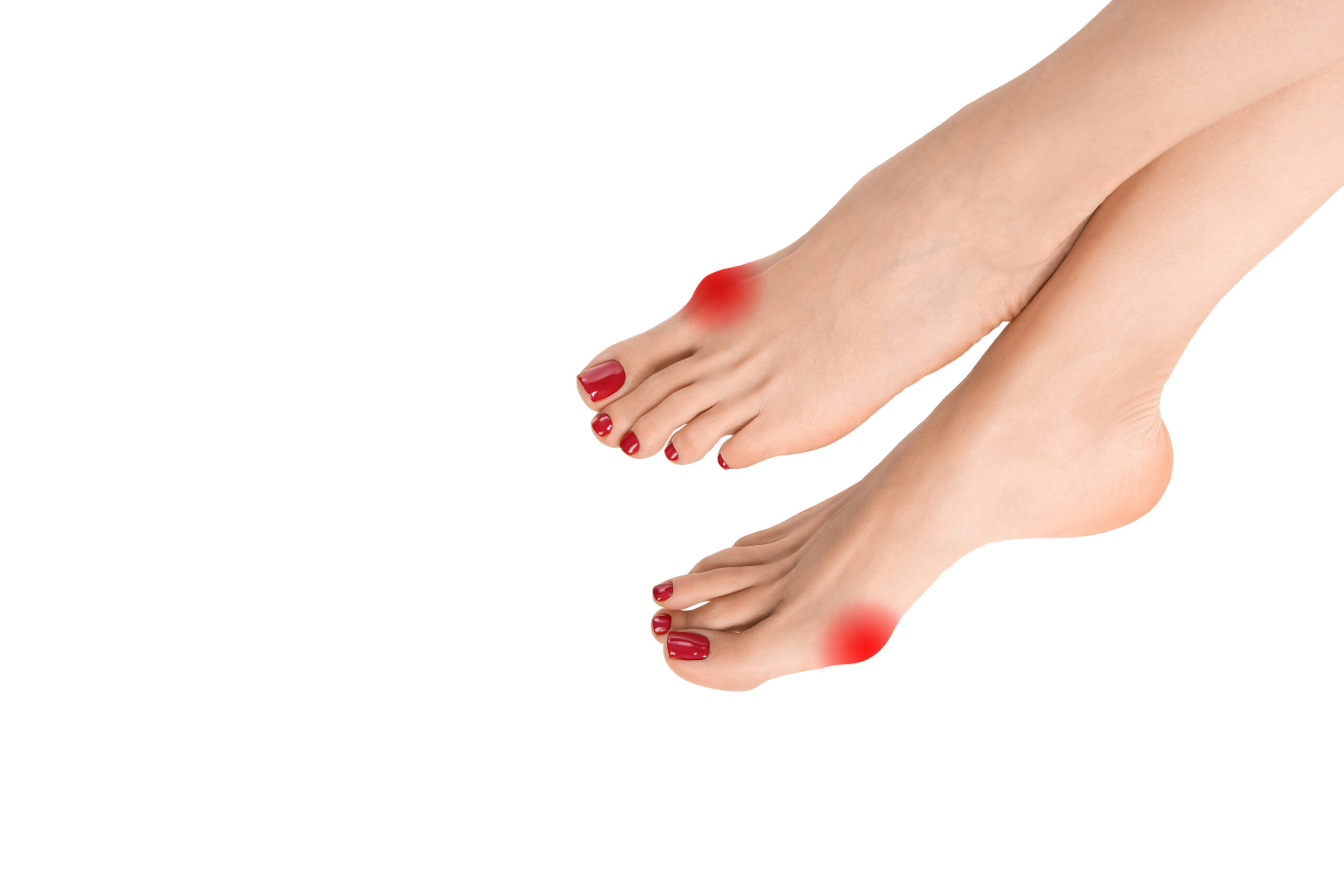
Hallux surgeries
Reduction of foot pain and visible improvement in foot appearance
Hallux surgeries
In treating this condition, the key to success is early conservative treatment, which includes exercises specially selected by a specialist and properly shaped orthopedic insoles. Such measures can halt the progression of the disease.
However, most patients consult a doctor when hallux valgus has reached a significant size, causing pain, foot deformity, and difficulties in finding suitable footwear.
In such cases, the only treatment method is surgical procedures, which can relieve the patient from pain, correct coexisting foot deformities, and help return to normal daily activities.
Zadzwoń do nas
What are bunions?
A bunion, also known as hallux valgus, is a foot condition characterized by the formation of a distinctive „bump” on the inner edge of the foot accompanied by a deviation of the big toe. This deformity often coexists with abnormal positioning of the other toes.
This condition mainly affects women with flat-valgus foot deformity. Very often, due to shoe pressure, a chronic inflammatory state and secondary bone tissue overgrowth occur. This progressive condition, combined with deforming changes in other foot joints, can lead to serious disability.
Thanks to bunion surgery, it is possible not only to effectively remove the big toe deformity but, above all, to restore walking comfort, proper foot biomechanics, and an aesthetic appearance
Zadzwoń do nas
Indications for hallux valgus surgery
For moderate and severe deformities, surgical intervention should be considered.
Indications for surgery include, among others:
- severe foot pain limiting daily activities, including walking in regular shoes,
- chronic inflammation and swelling of the big toe that do not subside despite rest or medication,
- deformity of the big toe – displacement of the toe towards the other toes,
- stiffness of the big toe – inability to bend or straighten the toe,
- inability to relieve pain with nonsteroidal anti-inflammatory drugs,
- failure to improve condition through other treatments such as changing footwear and anti-inflammatory medications.
Zadzwoń do nas
Basic advantages of hallux surgery performed as a one-day procedure:
The surgery allows a return to unrestricted activity, wearing shoes without discomfort, and prevents further complications, significantly improving the quality of daily life.
Halting the progression of the deformity
preventing further deformities and overload of other toes and joints.
Restoring the normal, undeformed appearance of the feet
restoring the correct alignment of the toe and the shape of the foot.
Eliminating pain during walking and inflammation
reducing discomfort while walking, standing, and wearing shoes.
The ability to wear regular footwear
without pressure, chafing, or discomfort.
Limited extent of the procedure
Early surgical intervention limits the extent of the procedure. In the initial stage of the condition, surgery involving the foot muscles to restore their balance is often sufficient.
The surgery does not require burdensome anesthesia
therefore it can be successfully performed on elderly patients and those with other medical conditions.
Zadzwoń do nas
Specialists
The experience of our specialists and the modern methods and devices used during procedures enable them to achieve excellent therapeutic results.
Hallux surgeries are performed at Klinika Wilmed, and the specialists handling these procedures are:


Zadzwoń do nas
What do hallux surgeries involve?
The main goal of surgical treatment of hallux valgus is to restore the correct joint position, relieve pain, and correct deformities.
Depending on the severity and extent of the disease, the following surgical procedures are used during the operation:
- Tendon and ligament repair around the big toe – These tissues may be too tight on one side and too loose on the other, creating an imbalance that causes the big toe to angle toward the other toes. The procedure aims to shorten loose tissues and lengthen those that are too short.
- Arthrodesis – Removal of damaged joint surfaces and placement of screws, wires, or plates to hold the surfaces together until they heal. This procedure is used in patients with severe hallux valgus, advanced arthritis, and when other methods have failed.
- Exostectomy – Removal of a bony bump near the joint. This procedure is used only in cases of bone overgrowth without accompanying toe deviation.
- Resection arthroplasty – The damaged part of the joint is removed. This surgery is mainly performed in elderly patients, those who have previously undergone hallux surgery, or patients suffering from advanced arthritis. It restores joint mobility.
- Osteotomy – Surgical cutting and realignment of the joint to its proper position.
The following surgical methods are most commonly used during hallux surgeries:
- Chevron osteotomy – The goal of the Chevron method is to properly align the big toe, narrow the foot, and reduce transverse flatfoot by shifting the head of the first metatarsal bone toward the second metatarsal bone and fixing them with titanium screws that do not need to be removed later. This method is used in cases of moderate deformities;
- Scarf method – Similar to the method described above, this is an osteotomy of the first metatarsal bone, used for both moderate and severe deformities;
- Lapidus method – During the operation, the adductor tendons of the big toe are cut to release the sesamoid bones, which are two small bones located near the metatarsophalangeal joint of the big toe. Then, the bony growth causing pain and inflammation is removed. The next step involves proper alignment of the first metatarsal bone relative to the second, followed by fixation with a plate and titanium screws. This method is used for moderate and severe deformities.
Hallux surgeries are most often performed under spinal anesthesia (so-called „to the sacrum”) and last about 2 hours. The patient can return home the same day. After surgery, a dressing and bandage are applied to keep the toe in the correct position, along with a special postoperative shoe protecting the operated foot. Sutures are removed about two weeks after surgery, but the operated foot will require protection with dressings or immobilization for another 6-8 weeks.
Zadzwoń do nas
What causes hallux valgus?
In most cases, the pattern of hallux valgus development is the same: overload of the forefoot increases pressure on the big toe and the transverse arch of the foot, leading to overload of the inner edge of the foot, pain, and toe deformities.
The main causes leading to hallux valgus include, among others:
- previous injuries (e.g., joint sprain, heavy object falling on the metatarsophalangeal joint),
- improperly fitted footwear (too tight, narrow, high heels),
- incorrect movement habits,
- systemic inflammatory diseases (including rheumatoid arthritis – RA, psoriatic arthritis, spondyloarthritis, gout),
- flat feet,
- abnormal structure of the first metatarsal bone,
- genetic factors,
- weakening of the foot’s ligament apparatus,
- Achilles tendon tension,
- factors related to gender and age.
Hallux valgus not only looks unaesthetic but also reduces quality of life. Its appearance is associated with pain and walking difficulties. Therefore, it is a condition that should not be ignored.
What are the unpleasant symptoms of hallux valgus?
Symptoms of hallux valgus that are troublesome and reduce the quality of life include, among others:
- feeling of stiffness in the toes and/or foot in the morning,
- reduced range of motion of the big toe,
- tenderness on palpation,
- pain,
- numbness of the foot caused by nerve conduction disturbances,
- thickened skin, corns, calluses that make walking difficult.
Zadzwoń do nas
What Sets Us Apart
- A team of experienced specialists
- Access to modern treatment methods
- Holistic approach to the patient
- Possibility of comprehensive diagnostics
- Excellent facility conditions
- Care by a specialized nursing staff
- Comprehensive postoperative care
Zadzwoń do nas
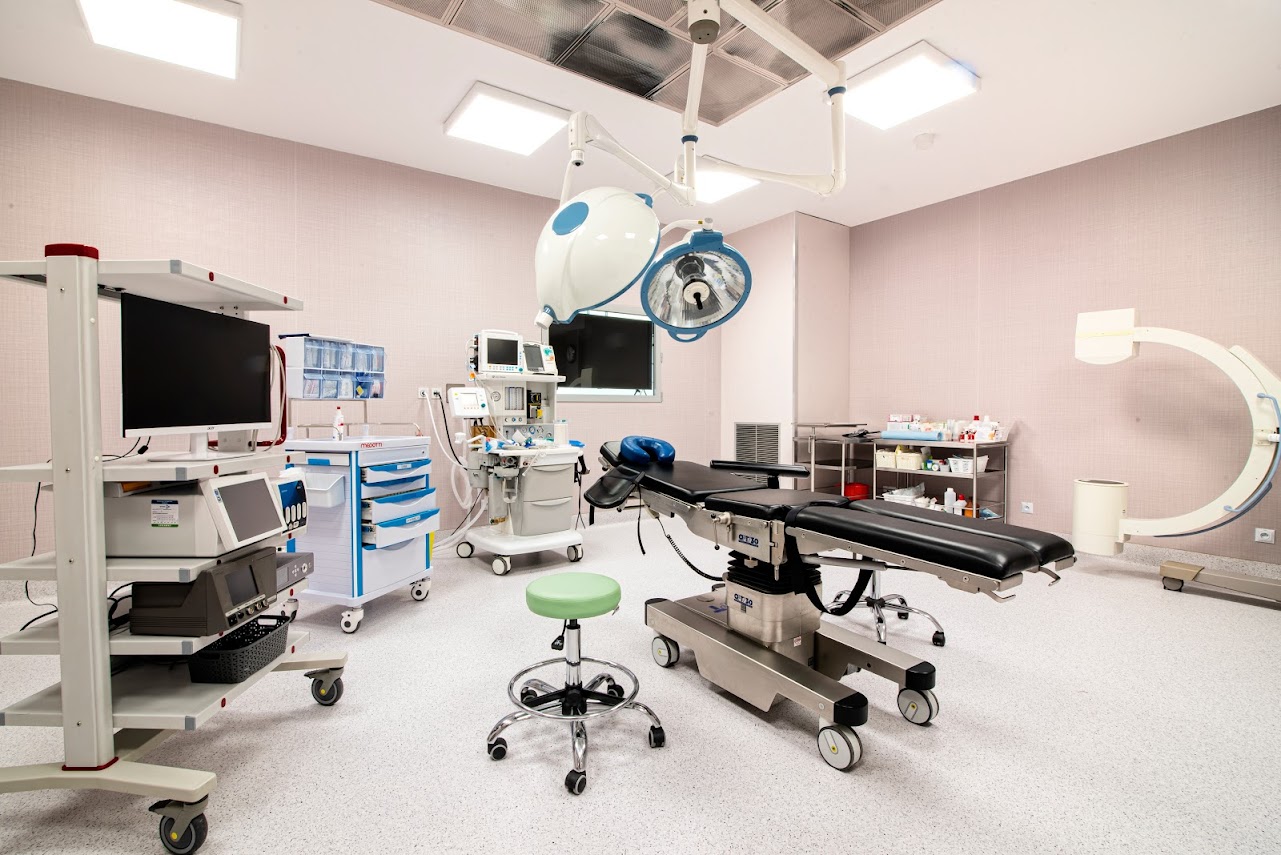
Interiors of the WILMED Hospital






Zadzwoń do nas
Price list
Cennik zabiegów
Hallux surgery
for one foot, price does not include implant costs
Surgery for trigger finger
for one leg
Zadzwoń do nas
FAQ
When is it worth deciding on the procedure?
Is the procedure painful?
How long does the recovery take?
Can one walk normally after surgery?
Will the scars be visible?
Can I return to physical activity?
Hallux valgus surgeries – where to have the procedure in Warsaw?
Hallux valgus surgeries in Warsaw – where are they offered?
Hallux valgus surgeries in Warsaw – where to ultimately go?
Hallux valgus surgery at WILMED Hospital in one day, without pain and long recovery
Kontakt
Zadzwoń do nas
Skontaktuj się z nami
Adres
ul. Wiktorii Wiedeńskiej 9a lok.U2
02-954 Warszawa - Wilanów
Inspektor danych osobowych
Katarzyna Mączyńska - MBRK
[email protected]
Godziny otwarcia
Od poniedziałku do piątku
w godzinach od 08:00 do 20:00