


Strona główna / Knowledge Base /
Upper and Lower Eyelid Surgery – Blepharoplasty in Warsaw
Upper and Lower Eyelid Surgery: Blepharoplasty
A more youthful, radiant look and a natural improvement in the appearance of the eye area
The eyes play a particularly important role in facial appearance. The area around them is often the first to show signs of ageing, fatigue, or reduced skin elasticity. Drooping upper eyelids, excess loose skin, and characteristic bags under the eyes can make the face look older and more tired, even after getting enough sleep.
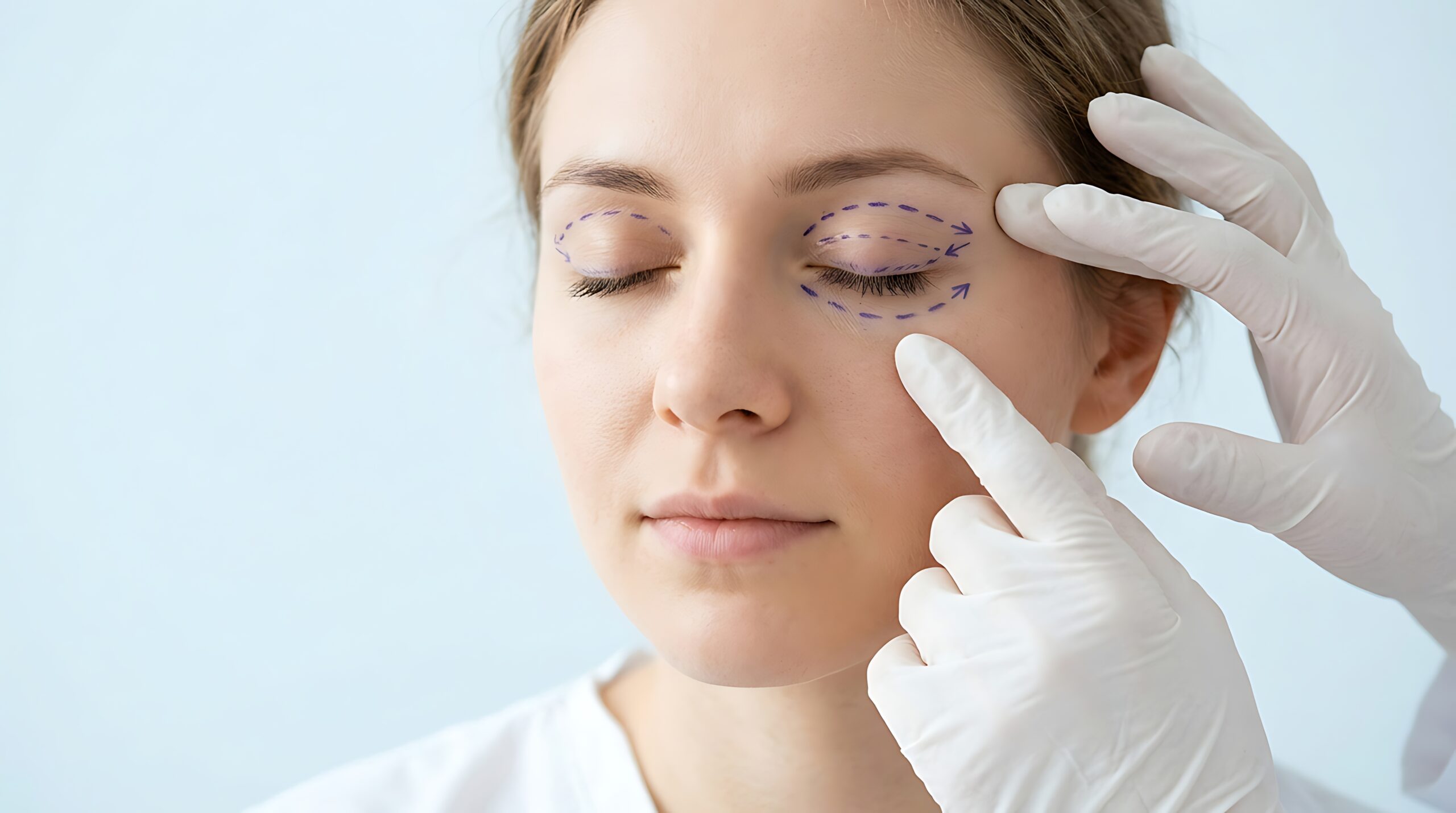
Upper and lower eyelid surgery, known as blepharoplasty, is a surgical procedure that addresses excess skin and fatty tissue around the eyes. Its aim is to improve eyelid contours, restore a fresher look to the eyes, and achieve a harmonious, natural facial appearance.
At Wilmed Hospital and Medical Centre in Warsaw, eyelid correction procedures are performed with each patient’s individual anatomy in mind. A carefully planned operation may offer both aesthetic and functional benefits, particularly when excess skin on the upper eyelids restricts the field of vision.
Blepharoplasty: What Does Eyelid Surgery Involve?
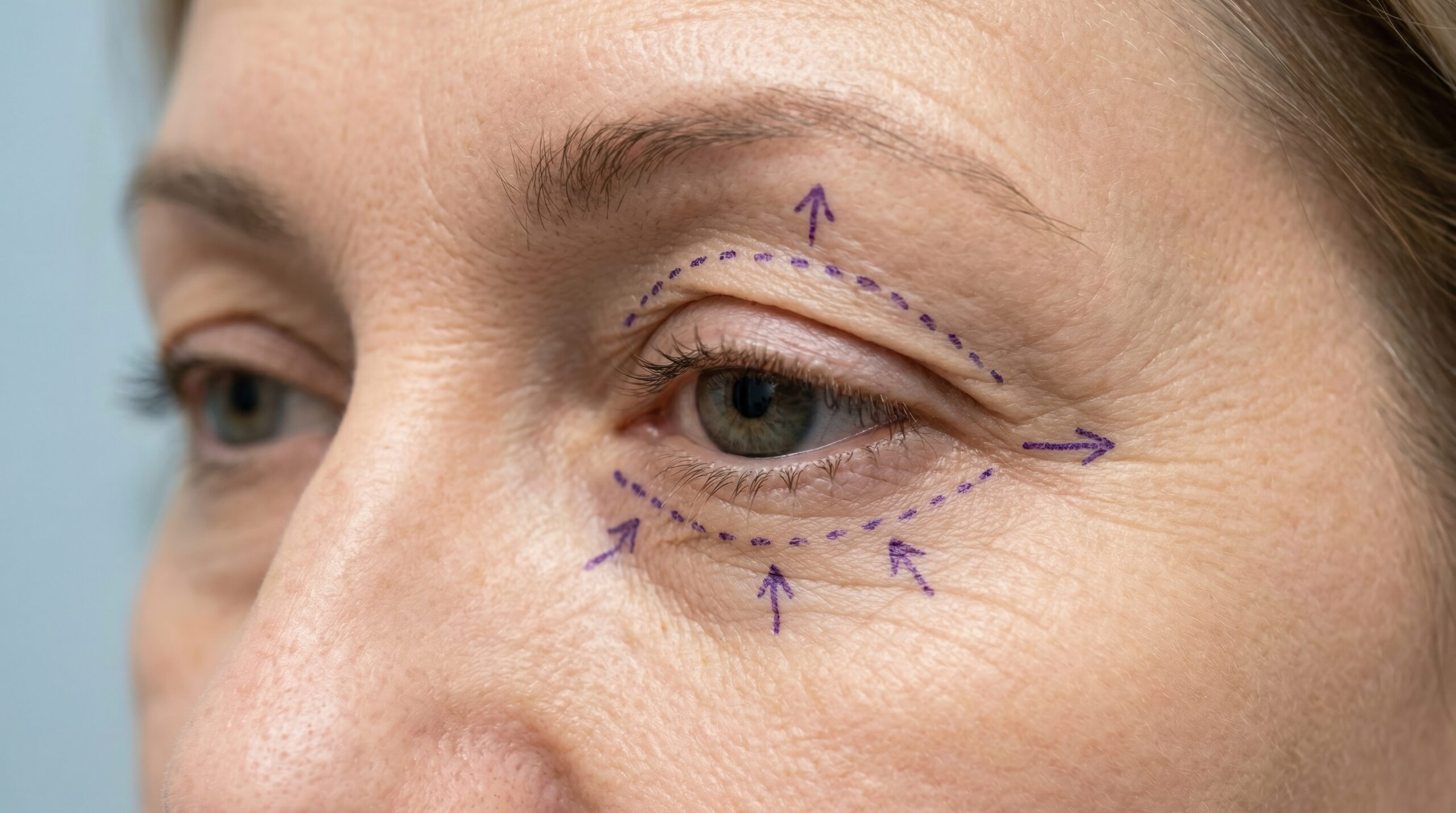
Blepharoplasty is a surgical procedure that involves removing excess skin and, where appropriate, removing or repositioning fatty tissue in the eyelid area. Depending on the patient’s needs, the procedure may involve the upper eyelids, lower eyelids, or both areas during a single operation.
The skin around the eyes is exceptionally thin and delicate. With age, it becomes less elastic, while natural ageing processes cause the tissues to loosen and shift position. The appearance of the eyelids is also influenced by genetic factors, the structure of the eye sockets, and a predisposition to fat herniation.
These issues do not affect every patient to the same extent. The choice of surgical technique should therefore follow a consultation with a specialist, who will assess the condition of the skin, eyebrow position, eyelid tone, and the underlying cause of the unwanted changes.
Upper Eyelid Surgery: Correcting Drooping Eyelids
What Does the Procedure Involve?
Upper eyelid surgery is intended for people with excess skin in the upper eye area. This can make the eyelids look heavy and diminish the natural expressiveness of the eyes.
Over time, excess skin may form a fold that hangs over the lash line. In more advanced cases, it restricts the upper part of the visual field and interferes with everyday activities such as reading or driving.
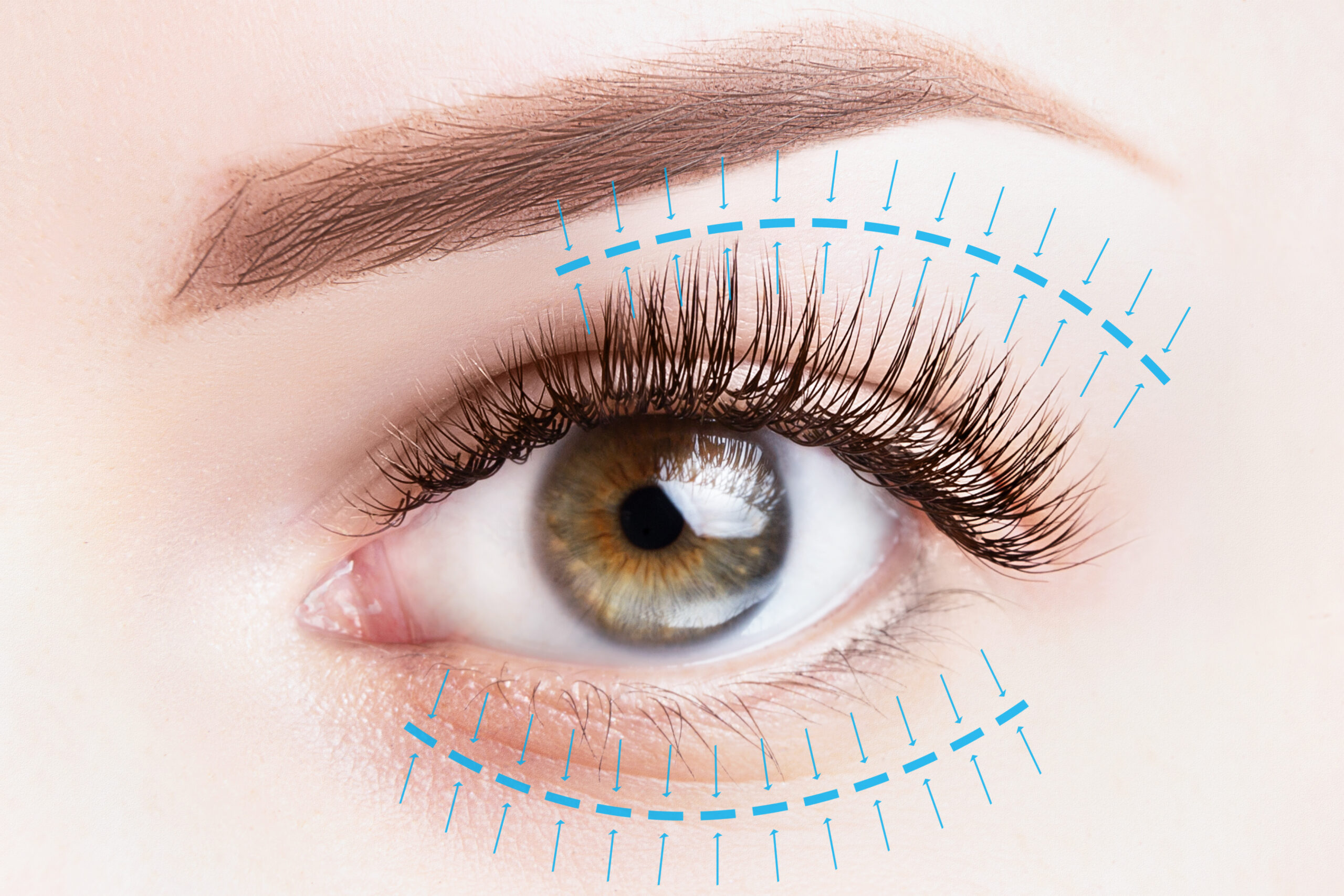
During the operation, the surgeon removes a carefully planned amount of skin and, if necessary, excess fatty tissue. Particular care is taken to preserve normal eyelid function, the ability to close the eye fully, and the natural shape of the eyelid opening.
When Should You Consider Upper Eyelid Surgery?
The main reasons to seek a consultation about upper eyelid blepharoplasty include:
- excess skin forming folds on the eyelids,
- a feeling of heaviness in the upper eyelids,
- a restricted field of vision caused by drooping skin,
- loss of a clearly defined eyelid contour,
- asymmetry associated with excess tissue,
- eyes that look constantly tired,
- dissatisfaction with the appearance of the eye area.
Remember that excess eyelid skin is not the same as true drooping of the eyelid margin, known as ptosis. Ptosis may require a different treatment method. Similarly, a lowered brow position may require a separate surgical approach.
How Is Upper Eyelid Surgery Performed?
At Wilmed Clinic, upper eyelid correction is performed under local anaesthesia or with intravenous sedation, depending on individual medical indications. The procedure usually takes around an hour.
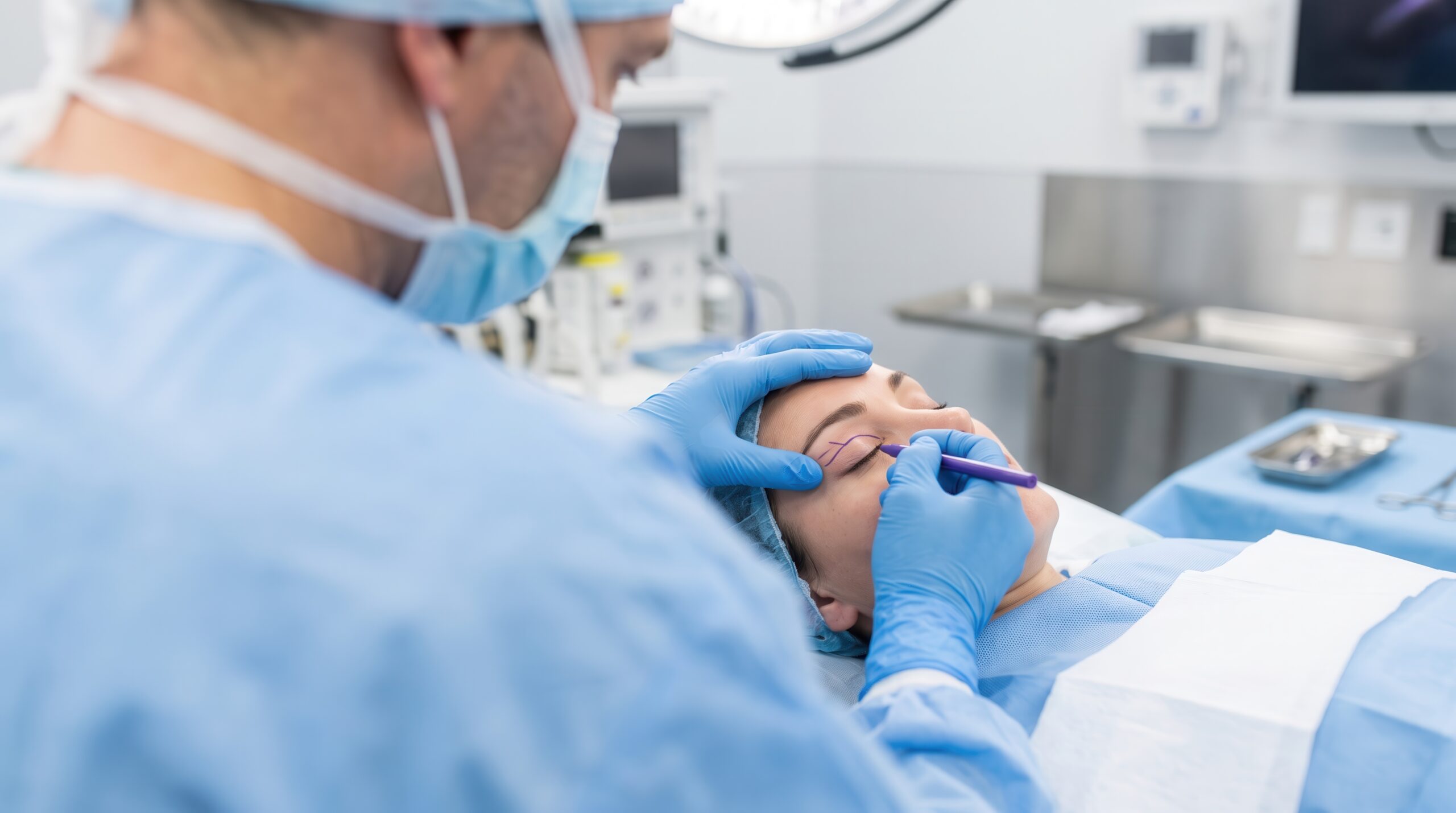
The surgeon makes an incision in the natural crease of the upper eyelid. The previously marked excess skin is then removed and, if necessary, areas of herniated fat are corrected. The wound is closed with fine sutures.
Placing the incision within the natural eyelid crease helps minimise the visibility of the scar once healing is complete.
The procedure may give the eyes a more open, rested appearance, improve eyelid contours, and reduce the feeling of heaviness caused by excess skin.
Lower Eyelid Surgery: Reducing Bags Under the Eyes
What Does Lower Eyelid Correction Involve?
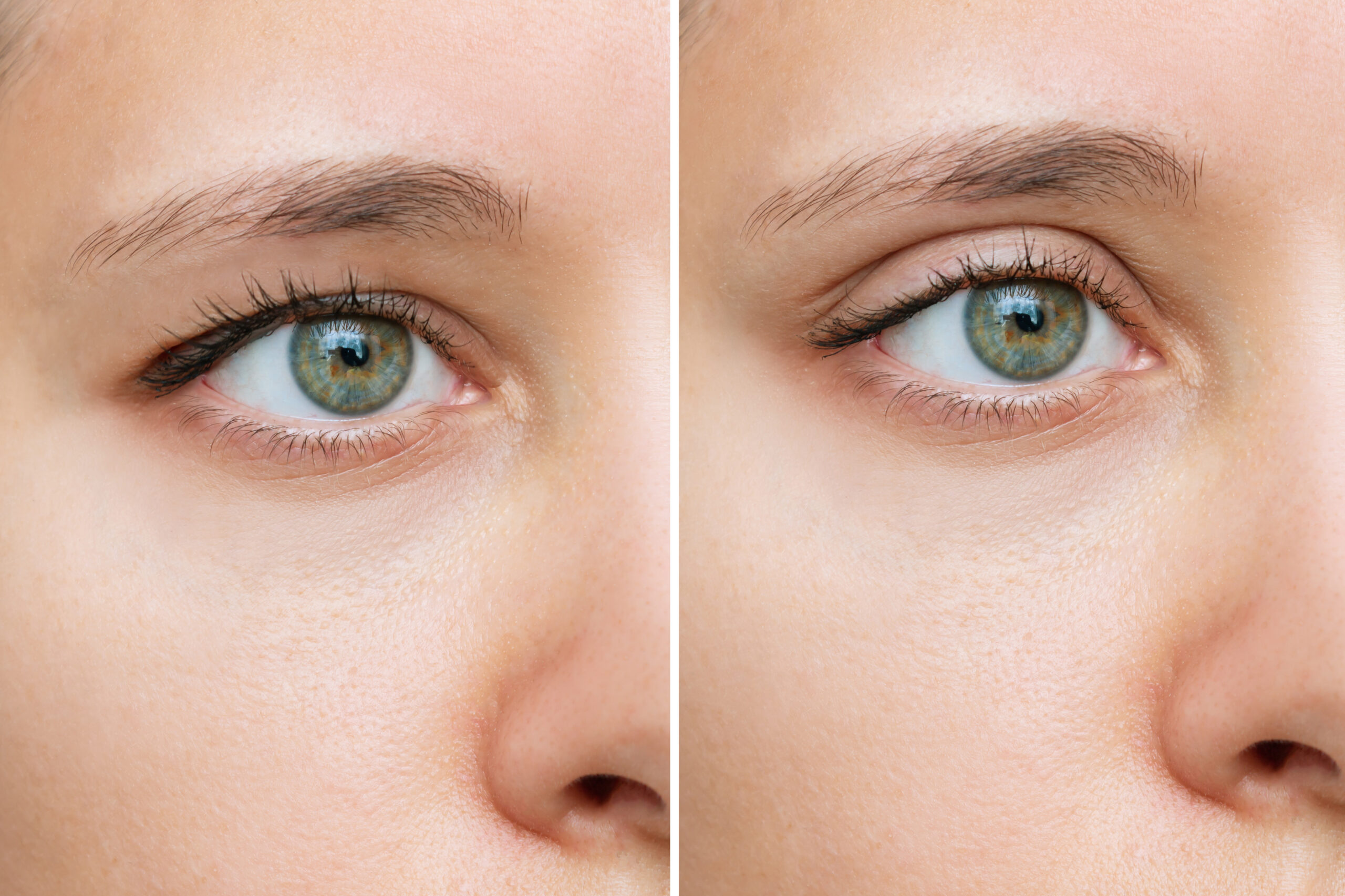
Lower eyelid surgery is performed to improve the appearance of the area under the eyes. The most common concerns reported by patients are bags under the eyes, fat herniation, and excess loose skin.
Bags under the eyes often result from bulging of the fatty tissue within the eye socket. These changes may be accompanied by reduced skin firmness and a more pronounced transition between the lower eyelid and the cheek.
The procedure involves reshaping the tissues of the lower eyelid. Depending on the patient’s anatomy, the surgeon may remove or reposition fatty tissue, address excess skin, and take additional steps to improve eyelid support and tone.
Who Is Lower Eyelid Surgery Suitable For?
Lower eyelid correction may be worth considering in cases of:
- prominent bags under the eyes associated with fat herniation,
- excess lower eyelid skin,
- skin laxity and loss of firmness,
- a more pronounced transition between the lower eyelid and the cheek,
- irregularities in the contour of the lower eyelid,
- a persistently tired look around the eyes.
Not all dark circles or swelling under the eyes require surgery. Discolouration, blood vessels showing through the skin, or swelling associated with systemic diseases may have other underlying causes. Appropriate investigations and assessment of suitability for surgery are therefore essential before the operation.
How Is Lower Eyelid Surgery Performed?
The surgical approach depends on the severity of the changes and the patient’s individual anatomy.
In cases of excess skin, the surgeon may make an incision just below the lash line. This allows the tissues to be reshaped, areas of herniated fat to be corrected, and a carefully determined amount of skin to be removed.
In selected patients, a transconjunctival approach may also be used, with the incision made on the inner surface of the eyelid. This technique allows fat herniation to be corrected without an external skin incision, but it is not used to remove excess skin.
The operation may be performed under local anaesthesia with appropriate anaesthetic support. The type of anaesthesia and the duration of the procedure are determined individually.
The aim of the correction is to smooth the area under the eyes, improve the transition between the eyelid and the cheek, and preserve the natural shape of the eye.
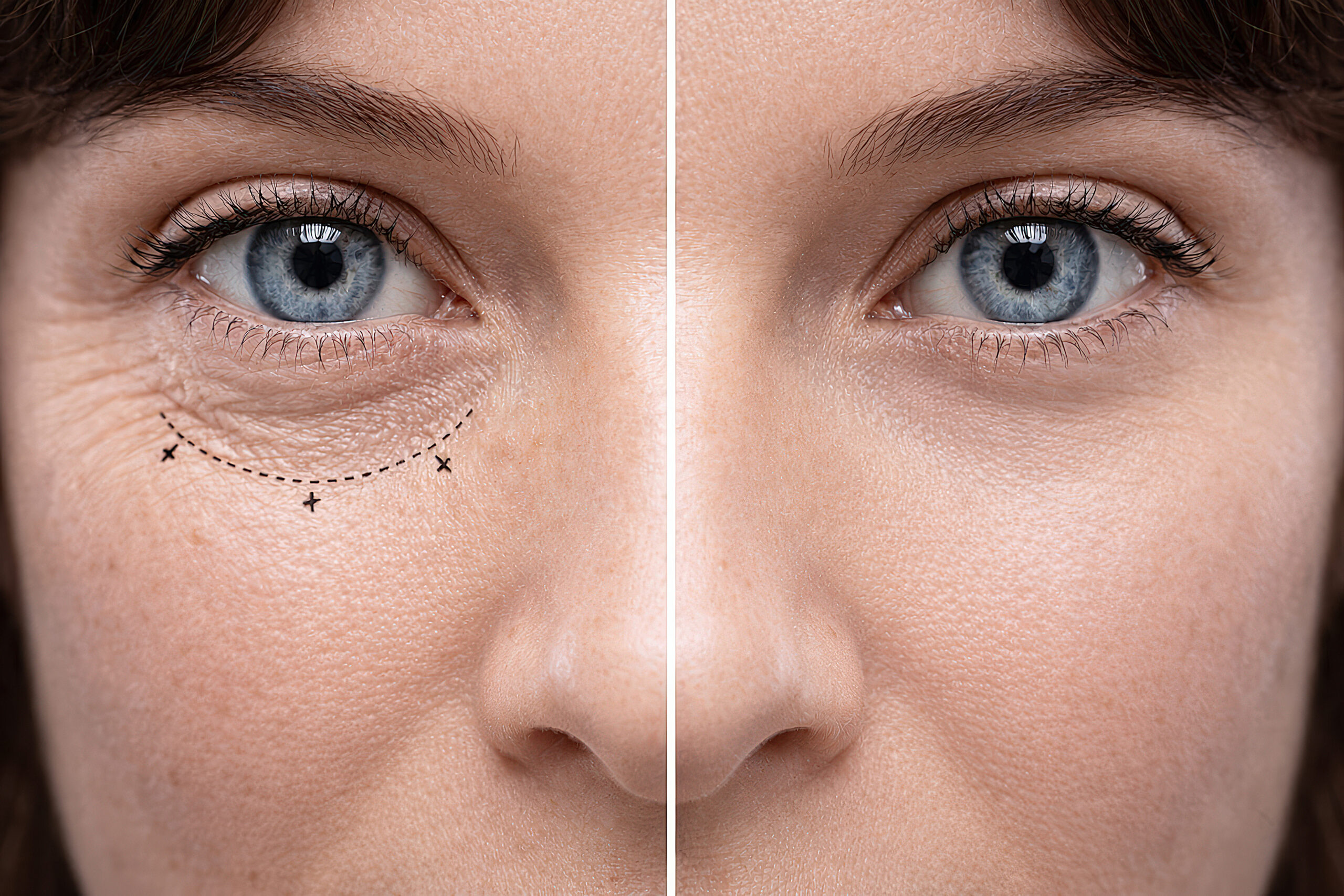
Upper and Lower Eyelid Surgery in a Single Operation
In some patients, changes associated with ageing affect both the upper and lower eyelids at the same time. In such cases, comprehensive blepharoplasty may be considered as a single procedure.
Combining the two procedures allows correction of the entire eye area to be planned with the relative proportions of the eyelids, eyebrows, and cheeks in mind.
However, the extent of surgery must be appropriate for the patient’s actual needs and overall health. Not everyone is a suitable candidate for combined upper and lower eyelid surgery. The surgeon makes this decision based on an examination and an assessment of surgical risk.
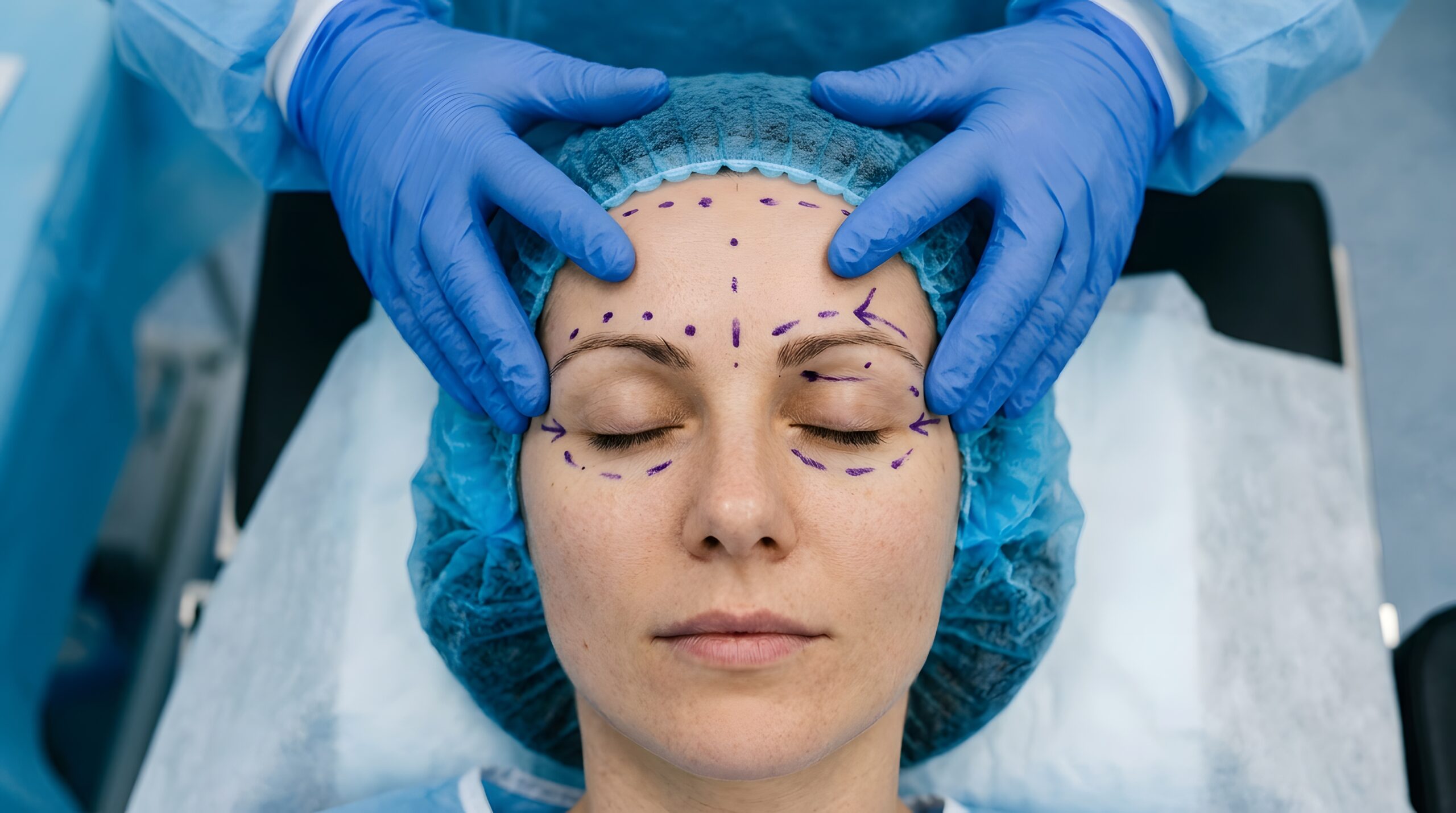
How Should You Prepare for Eyelid Surgery?
Proper preparation for blepharoplasty plays an important role in the safety of the procedure.
The first step is a consultation with a specialist. During the appointment, the doctor takes a medical history, examines the eye area, and discusses the expected results and possible limitations of the surgery.
Information about chronic conditions, previous eye procedures, clotting disorders, dry eyes, allergies, and current medications is particularly important.
Before surgery, you should:
- have the tests recommended during the preoperative assessment,
- inform your doctor about all medicines and supplements you are taking,
- discuss any potential changes to anticoagulant treatment,
- reduce or stop smoking as advised by the specialist,
- follow the instructions on eating and drinking before anaesthesia,
- allow sufficient time for recovery.
Do not stop taking your medicines without medical advice, especially those that affect blood clotting.
Recovery After Eyelid Surgery: What to Expect During Healing
Swelling, bruising, a feeling of skin tightness, and mild discomfort around the eyes may occur immediately after blepharoplasty. These are typical postoperative symptoms, and their severity depends on the extent of the procedure and the patient’s individual response.
During the first few days, it is important to follow the doctor’s instructions, care for the wounds properly, and avoid activities that increase swelling.
The First Few Days After the Procedure
Patients should limit physical exertion, rest with their head slightly elevated, and use the recommended methods to reduce swelling. They should avoid rubbing their eyes or removing dressings or stitches themselves.
When Are the Stitches Removed?
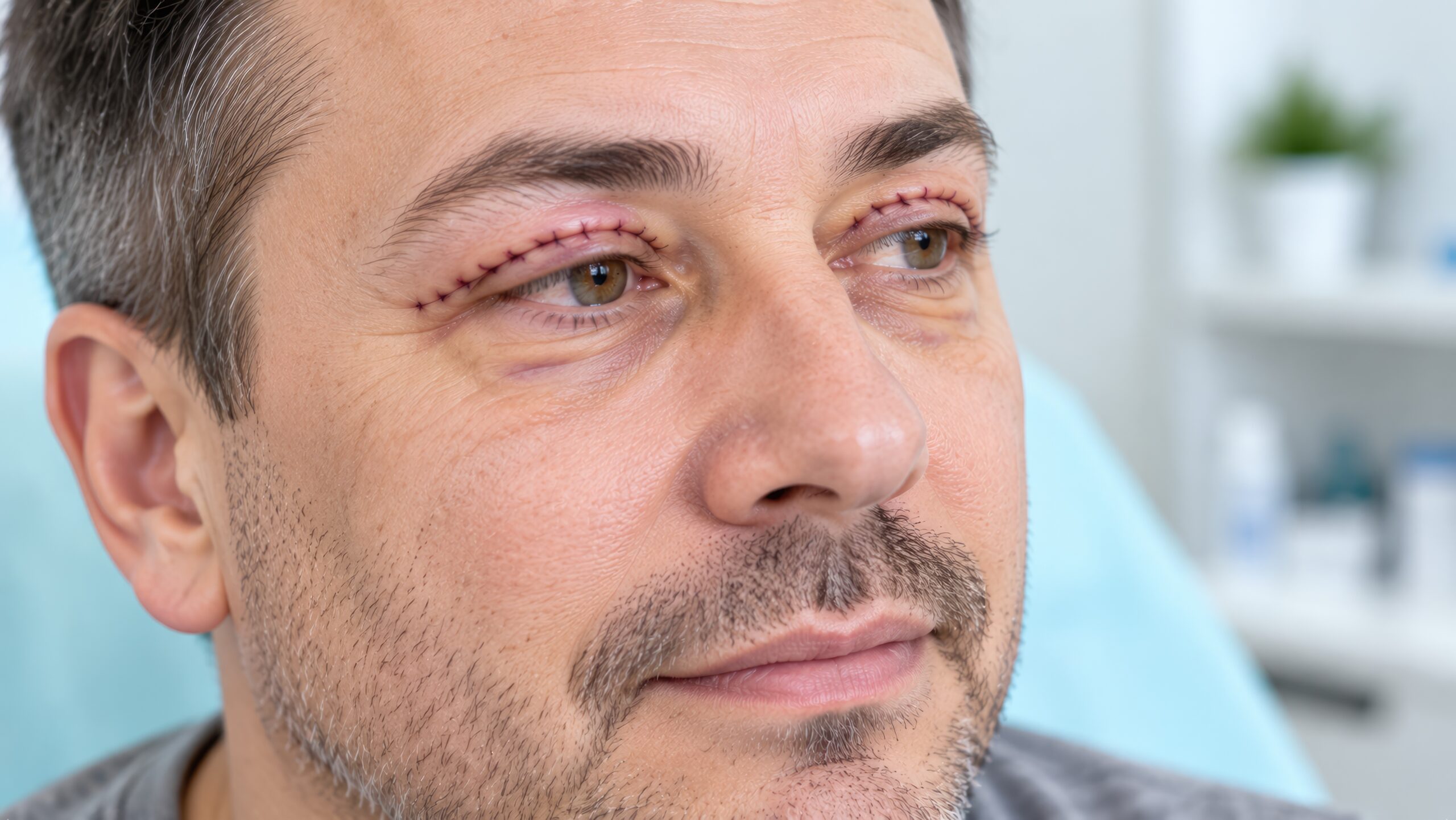
If stitches requiring removal have been used, a follow-up appointment usually takes place around 5 to 10 days after surgery. The treating doctor determines the exact timing.
When Can You Return to Work?
Many people return to light work after around 7 to 14 days. During this period, swelling and bruising usually subside gradually, although they may last longer in some patients.
Strenuous physical activity should be resumed in accordance with the surgeon’s recommendations, usually after a few weeks.
When Will the Final Results Be Visible?
The first improvement in the appearance of the eyelids becomes visible once most of the swelling has subsided. However, assessing the final result takes time, as it may take several months for scars to remodel and tissues to settle.
What Results Can Eyelid Surgery Achieve?
Properly planned blepharoplasty can correct anatomical changes that affect the appearance of the eye area without the need to alter natural facial features.
Potential results of surgery include:
- a reduction in excess upper eyelid skin,
- less visible bags under the eyes,
- smoother lower eyelid contours,
- a more open and expressive look,
- improved proportions around the eyes,
- reduced restriction of the field of vision caused by excess skin,
- a more rested facial appearance.
Remember that blepharoplasty does not stop the natural ageing process and does not eliminate all wrinkles or every type of dark circle under the eyes. The degree of improvement possible depends on the condition of the tissues and the surgical technique used.
Contraindications and Possible Complications of Blepharoplasty
Blepharoplasty is a surgical procedure, so an appropriate assessment of suitability and an informed discussion of potential risks are essential.
Contraindications may include uncontrolled systemic diseases, active infections, certain eye conditions, blood clotting disorders, or health conditions that increase perioperative risk.
Patients with severe dry eye syndrome, difficulty closing their eyelids fully, or thyroid disorders affecting the area around the eyes require particularly careful assessment.
Possible complications include bleeding, infection, prolonged swelling, asymmetry, abnormal scar healing, dry or irritated eyes, difficulty closing the eyelids fully, and an abnormal position of the lower eyelid. In rare cases, serious complications that threaten vision may occur.
Severe eye pain, a sudden deterioration in vision, or rapidly increasing swelling after surgery requires urgent medical attention.

Eyelid Surgery in Warsaw: Why Choose Wilmed?
Wilmed Hospital and Medical Centre in Warsaw offers facial plastic surgery procedures, including upper and lower eyelid surgery.
The facility places particular emphasis on assessing suitability for treatment, planning each procedure individually, and providing postoperative care. Patients have access to a team of specialists, surgical facilities, and care provided by qualified nursing staff.
Eyelid surgery at Wilmed is performed by Maciej Kuczyński, MD, PhD, a specialist in plastic and general surgery.
During the consultation, the doctor assesses the anatomy of the eyelids, considers the medical and aesthetic indications, and presents treatment options suited to the patient’s needs.
The aim is to achieve the most natural result possible while preserving normal eyelid function and maintaining surgical safety.
Upper and Lower Eyelid Surgery: Prices in Warsaw
The cost of blepharoplasty depends on the extent of the correction, the type of anaesthesia, and the patient’s individual needs.
Wilmed’s procedure prices:
- Upper eyelid surgery: from PLN 7,000
- Lower eyelid surgery: from PLN 9,000
The final cost of surgery is determined after the consultation and assessment of suitability for the procedure. If upper and lower eyelid surgery is planned in a single operation, an individual quote is prepared.
Free Online Consultation Before Eyelid Surgery
People interested in eyelid correction at Wilmed can have a free initial online consultation.
Simply complete the form available on the website and attach photographs of the eye area. The submitted materials are reviewed by Maciej Kuczyński, MD, PhD, who can provide an initial assessment of treatment options.
If further assessment is possible, the patient will be invited to a consultation at the clinic in Warsaw. An online consultation does not replace a medical examination in person or the final assessment of suitability for surgery.
Book a consultation to find out whether upper or lower eyelid surgery is the right option for you.
Phone: 22 651 98 61
Wilmed Hospital and Medical Centre
9A Wiktorii Wiedeńskiej Street, Unit U2
02-954 Warsaw, Wilanów

FAQ: Frequently Asked Questions About Eyelid Surgery
Is Upper and Lower Eyelid Surgery Painful?
The procedure is performed under a suitable form of anaesthesia intended to reduce pain during surgery. Afterwards, there may be discomfort, a feeling of skin tightness, and mild soreness. These symptoms can usually be managed by following the doctor’s recommendations.
How Long Does Eyelid Surgery Take?
At Wilmed, surgery on the upper eyelids alone usually takes around an hour. The duration of lower eyelid surgery and combined procedures depends on the extent of the planned correction and the technique used.
Does Blepharoplasty Leave Visible Scars?
Incisions are planned in locations that help minimise scar visibility, usually in the natural crease of the upper eyelid or just below the lower lash line. Scars usually fade over time, although there is no guarantee that they will become completely invisible.
Does Eyelid Surgery Remove Bags Under the Eyes?
Yes. If bags under the eyes are caused by fat herniation, lower eyelid blepharoplasty can effectively reduce their visibility. Swelling caused by other factors may require a different approach.
Does Eyelid Surgery Improve Vision?
Blepharoplasty does not correct refractive errors such as short-sightedness or astigmatism. However, it may improve the field of vision if it is restricted by excess upper eyelid skin.
How Long Do the Results of Eyelid Surgery Last?
Blepharoplasty usually produces lasting results that may persist for many years. Their duration depends on age, genetic predisposition, skin condition, and the natural ageing process.
Can Upper and Lower Eyelid Surgery Be Performed at the Same Time?
Yes. Where appropriate, both areas can be corrected during a single operation. The surgeon makes the final decision after assessing the patient’s health and the extent of the changes.
At What Age Can You Have Blepharoplasty?
There is no single age threshold for eyelid surgery. The procedure may also be indicated for younger adults with genetically determined fat herniation or excess skin. Medical assessment of suitability is the key consideration.
Can You Wear Contact Lenses After Eyelid Surgery?
Immediately after surgery, patients are usually advised to avoid wearing contact lenses for a period of time. When they can be worn again depends on the healing process and should be agreed with the doctor.
When Can You Apply Make-up After Eyelid Surgery?
Eye make-up should be avoided until the wounds have healed sufficiently. This usually takes at least a dozen or so days, but the surgeon will specify the exact timing at the postoperative follow-up.
Does Blepharoplasty Remove Crow’s Feet and Dark Circles Under the Eyes?
Eyelid surgery is not specifically intended to remove expression lines. It may improve the appearance of the lower eyelid and the transition between the eyelid and the cheek, but it does not address all causes of dark circles under the eyes.
How Much Does Eyelid Surgery Cost at Wilmed Clinic?
At Wilmed, upper eyelid surgery starts from PLN 7,000, while lower eyelid surgery starts from PLN 9,000. The exact cost depends on the extent of surgery and is determined individually.
How Can You Arrange Eyelid Surgery in Warsaw?
The first step can be a free online consultation at Wilmed or direct contact with the clinic’s reception team. Following an examination to assess suitability for surgery, the doctor presents a treatment plan and further recommendations.
Wyróżnienie dla Najlepszej Placówki 2019
Wyróżnienie przyznane przez pacjentów, którzy skorzystali z naszych usług za pośrednictwem platformy tourmedica.pl
Kontakt
Skontaktuj się z nami
Zadzwoń do nas
Adres
ul. Wiktorii Wiedeńskiej 9a lok.U2
02-954 Warszawa - Wilanów
Inspektor danych osobowych
Katarzyna Mączyńska - MBRK
[email protected]
Godziny otwarcia
Od poniedziałku do piątku
w godzinach od 08:00 do 20:00