



Strona główna / Knowledge Base /
Rhinoplasty – nose surgery
Rhinoplasty – Nose Surgery
Refining the shape of the nose, improving facial proportions and achieving a natural-looking result
The nose is centrally positioned on the face and has a significant impact on its appearance and proportions. Even small differences in its length, width or shape can affect the overall harmony of facial features. A bump on the bridge of the nose, asymmetry, a drooping tip or a nose that appears out of proportion with the rest of the face may cause dissatisfaction with one’s appearance.
Rhinoplasty, or nose surgery, is a surgical procedure that can change the shape, size and proportions of the nose. It can correct both congenital anatomical features and deformities resulting from injuries or previous operations. In certain cases, the procedure may also improve nasal breathing.
At Wilmed Hospital and Medical Center in Warsaw, rhinoplasty is performed with consideration for each patient’s individual anatomy, expectations and the potential for a natural, harmonious result.
The aim of rhinoplasty is not to create one universal nose shape, but to achieve proportions that suit the individual face while maintaining or improving proper nasal function.
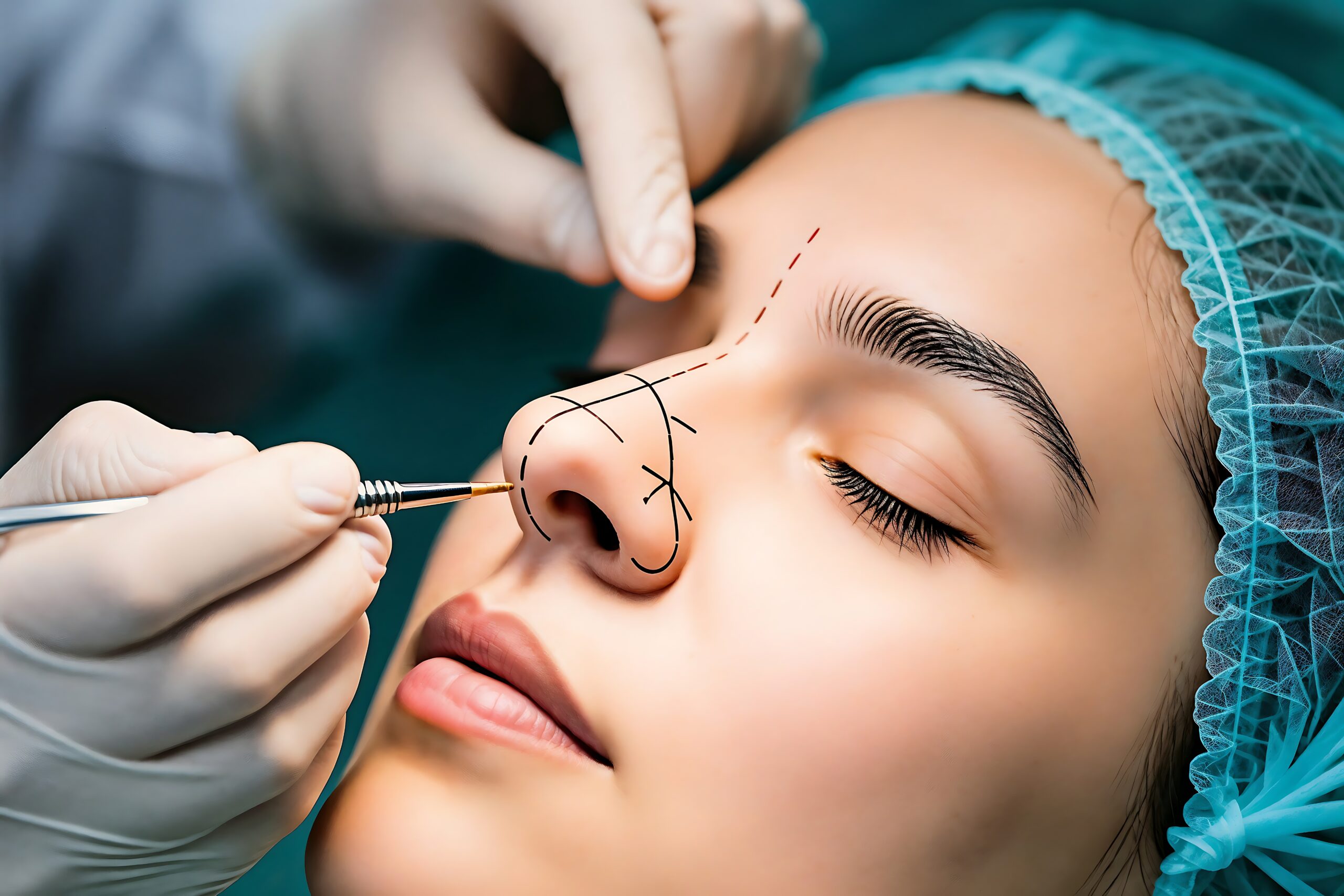
What Is Rhinoplasty and What Does Nose Surgery Involve?
Rhinoplasty is a surgical procedure that modifies the bone, cartilage and soft tissue structures of the nose. The scope of the procedure depends on the nose’s anatomy and the changes to be corrected.
The operation may involve reducing or reshaping the bridge of the nose, removing a hump, narrowing the nose, straightening its axis, reshaping the tip or reconstructing deformed structures.
Unlike aesthetic medicine treatments, which can temporarily alter selected aspects of the nose’s contour, surgical rhinoplasty allows for lasting changes to its anatomical structure.
When planning the operation, it is important to consider not only how the nose looks from the front or in profile, but also how it relates to the forehead, chin, cheeks and lips.
Proper planning requires an assessment of both the nose’s external structure and its airflow. Removing too much cartilage or making inappropriate changes to the nasal framework could adversely affect breathing. It is therefore important to preserve adequate support for the nasal structures during surgery.
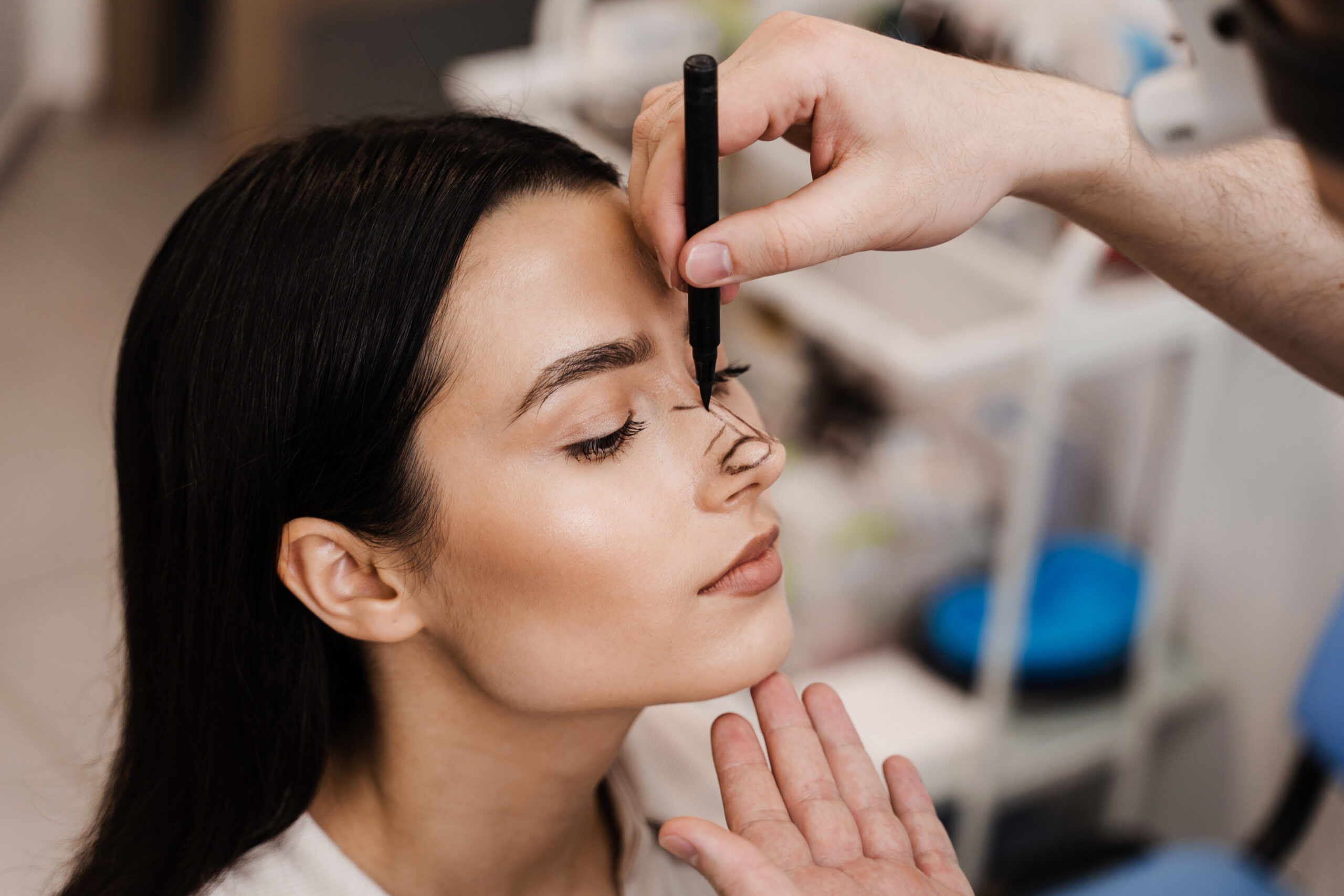
When Should You Consider Nose Surgery?
The decision to undergo rhinoplasty should be based on the patient’s considered needs and the realistic possibilities for correction. A consultation may be appropriate for people who are dissatisfied with the appearance of their nose, as well as those with a post-traumatic deformity or impaired nasal function.
The most common reasons for undergoing nose surgery include:
- a prominent hump on the bridge of the nose,
- a disproportionately large or long nose,
- a wide or asymmetrical nasal bridge,
- a drooping, wide or rounded nasal tip,
- deviation of the nasal axis,
- asymmetry of the nostrils or nasal alae,
- deformities resulting from injuries,
- collapse of specific nasal structures,
- an unsatisfactory result from a previous operation,
- nasal obstruction requiring surgical correction.
However, not every irregularity requires surgery on the entire nose. In some cases, correcting a specific feature may be sufficient. The scope of the procedure is determined during a specialist consultation.
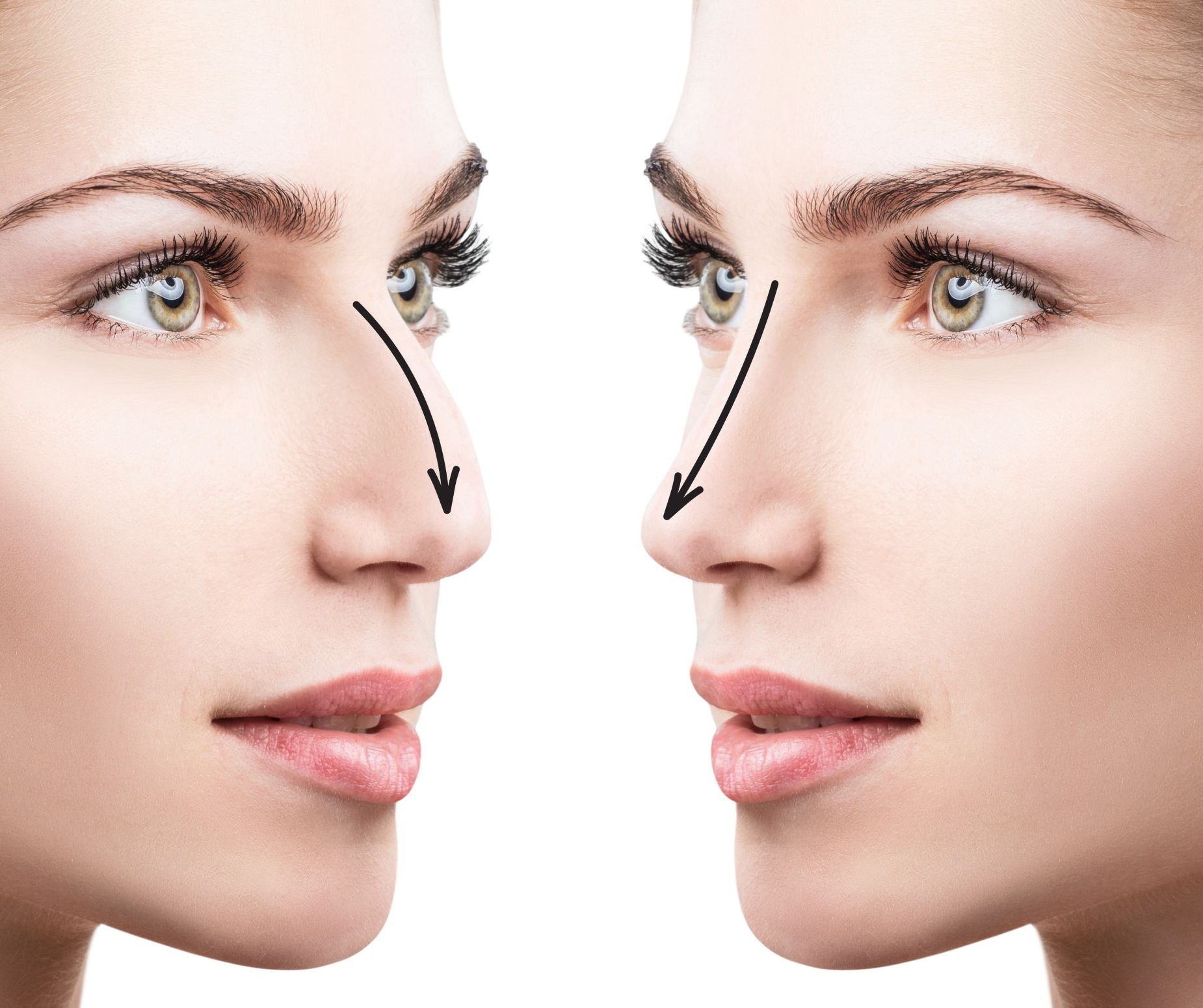
What Types of Nose Surgery Can Be Performed?
Comprehensive Rhinoplasty
Comprehensive rhinoplasty is a procedure involving several nasal structures, including the bone and cartilage.
It may be recommended for patients who need simultaneous correction of the bridge, tip and width of the nose, or straightening of its axis.
During the procedure, the surgeon may reshape the cartilage, reposition the nasal bones, and reconstruct or strengthen selected structures.
The aim of comprehensive correction is to achieve a harmonious nasal shape without compromising breathing function.
Nasal Hump Reduction
A nasal hump is a distinctive prominence on the bridge of the nose, particularly visible in profile. It may be caused by the shape of the bone, cartilage or both.
Surgical correction involves reshaping the bridge of the nose to create a smoother profile line.
Depending on the nose’s anatomy, additional procedures may be needed to stabilise its structure after the hump is removed.
Nasal Tip Refinement
The nasal tip is made primarily of cartilage. Its shape and position affect the width, projection and orientation of the tip.
Nasal tip refinement may involve:
- reducing excessive width at the tip,
- correcting a drooping nasal tip,
- improving asymmetry,
- adjusting how much the tip is raised,
- reshaping the alar cartilages.
In selected cases, correction may focus primarily on the cartilage, without the need to reshape the nasal bones.
Crooked Nose Surgery
A crooked nose may be congenital or result from an injury. Sometimes an external deformity occurs alongside a deviated nasal septum, which can make breathing difficult.
Correction requires a detailed assessment of the bony and cartilaginous structures. During surgery, the surgeon aims to improve their alignment and create a more symmetrical contour.
If nasal obstruction is also present, rhinoplasty may need to be combined with treatment of the nasal septum.
Secondary Rhinoplasty – Revision Nose Surgery
Secondary rhinoplasty is performed on patients who have previously undergone surgical correction of the nose.
Possible reasons include persistent asymmetry, an unsatisfactory aesthetic result, deformities that developed during healing, or breathing problems.
Revision nose surgery is often more technically demanding. The previous procedure may have altered the tissue anatomy, caused scarring or reduced the amount of cartilage available for reconstruction.
In some cases, cartilage grafts may be needed, for example from the nasal septum, ear or rib.
A decision to undergo revision surgery requires a thorough analysis of the reasons for the unsatisfactory result and an assessment of whether correction can be performed safely.
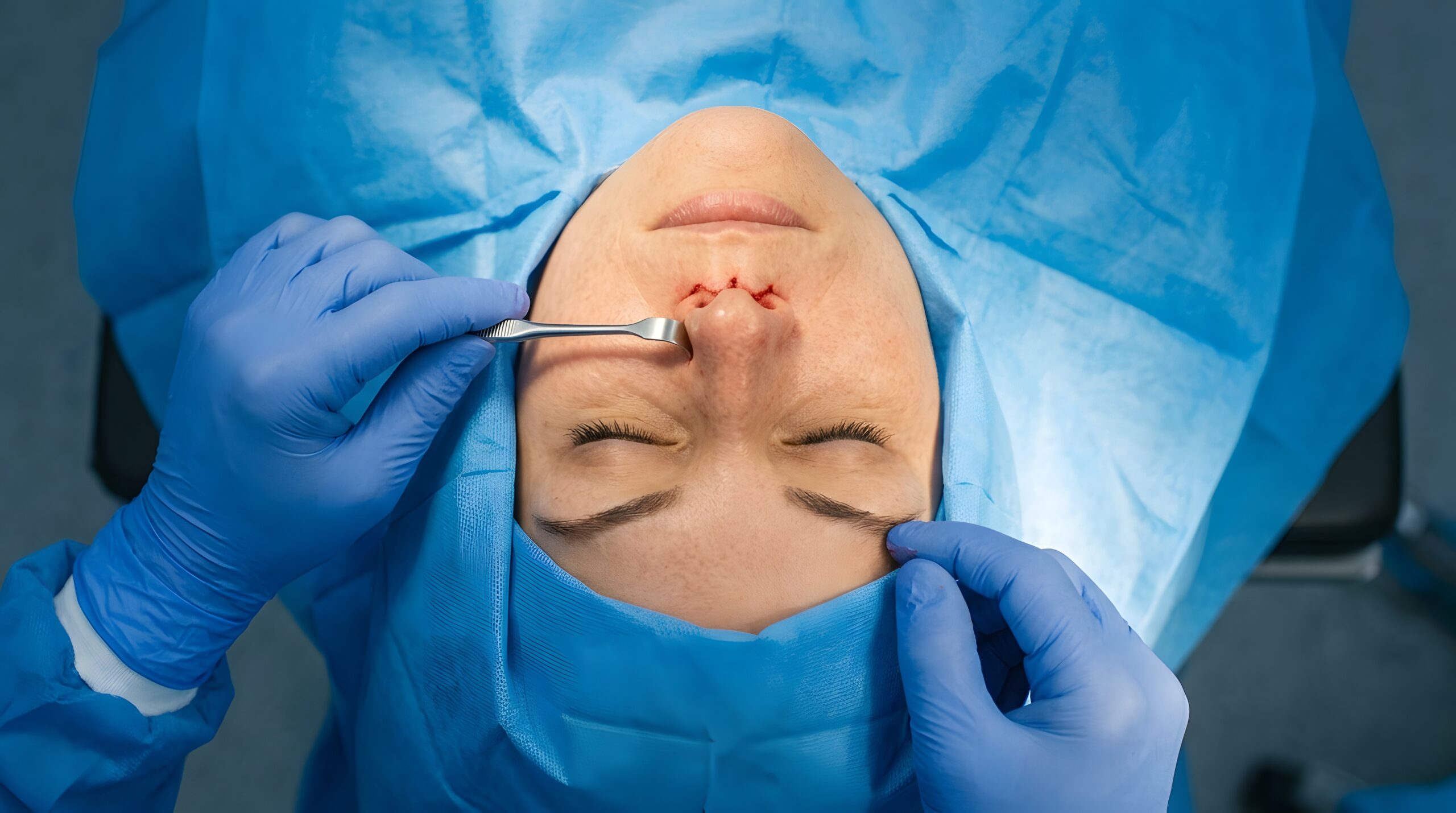
Rhinoplasty and Septoplasty – What’s the Difference?
Rhinoplasty and septoplasty are two separate procedures that can be performed at the same time.
Rhinoplasty primarily changes the external shape of the nose. Its aims may include improving facial proportions, removing a hump, reshaping the tip or straightening the nose.
Septoplasty is an operation to correct a deviated nasal septum when it significantly obstructs airflow.
Combining correction of the external nose and the septum is known as **septorhinoplasty**.
This approach may benefit patients who have difficulty breathing through their nose as well as aesthetic concerns.
Wilmed also performs septorhinoplasty. The scope of treatment is determined individually following an appropriate assessment.
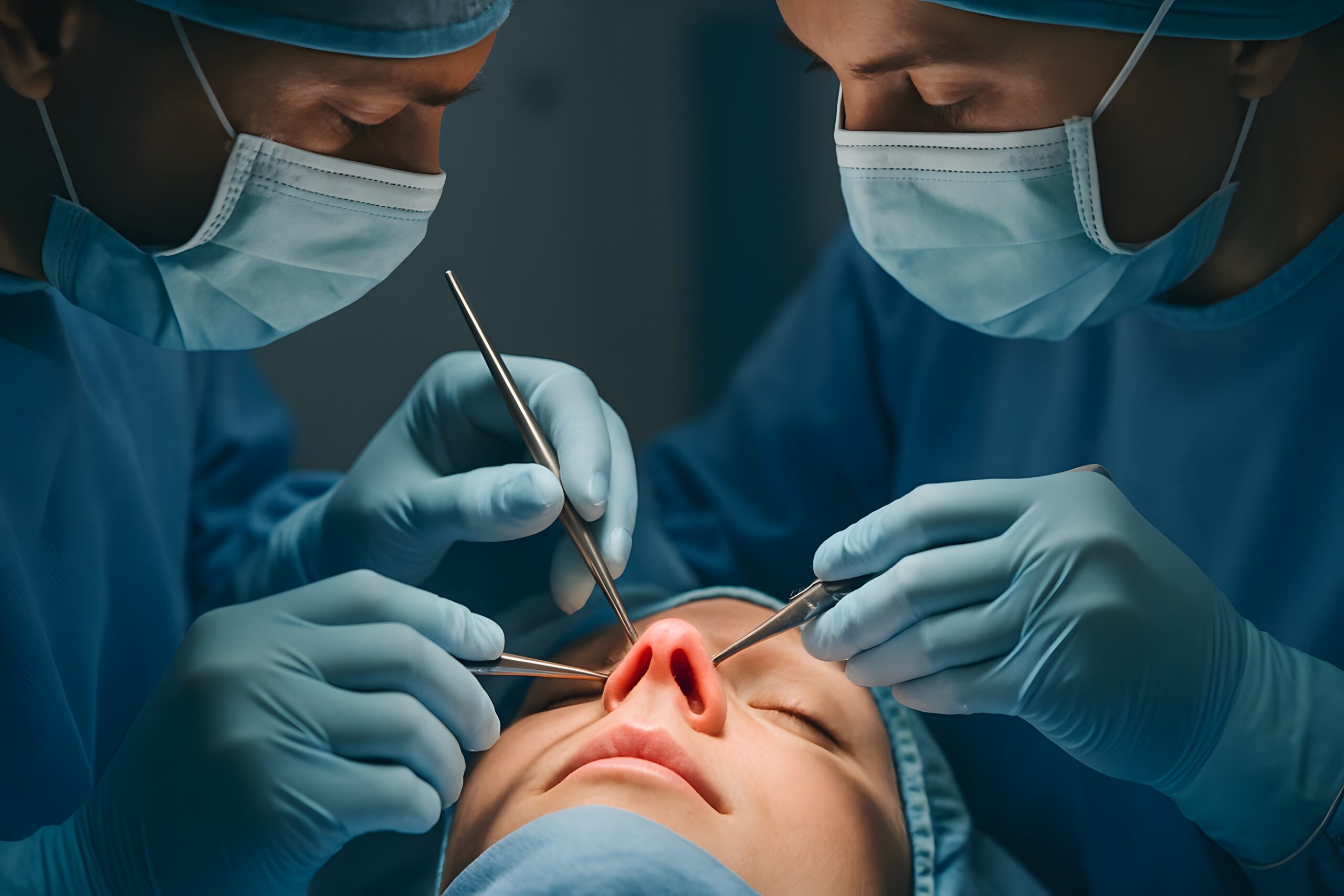
Nose Surgery – What Happens During the Procedure?
Consultation and Assessment for Surgery
The first step is a consultation with the surgeon who performs nose surgery.
During the appointment, the doctor discusses the patient’s expectations, takes a medical history and carefully assesses the structure of the nose. It is important to identify which features need to be changed and to explain the possibilities and limitations of the proposed correction.
The doctor assesses, among other things, the nose’s width and length, the shape of the bridge, the position of the tip, nostril symmetry and nasal airflow.
The consultation is also an opportunity to discuss potential risks, the expected recovery process and realistic outcomes.
Anaesthesia and Preparation for Surgery
Rhinoplasty is most often performed under general anaesthesia. Before surgery, the patient undergoes the necessary anaesthetic assessment and completes any tests ordered by the doctor.
The preparation required depends on the patient’s health, the type of surgery planned and its expected duration.
Reshaping the Nasal Structures
During surgery, the surgeon accesses the bony and cartilaginous structures of the nose. Depending on the technique, the incisions may be made entirely inside the nose or may also include a small incision in the columella.
The planned correction is then performed. This may involve reshaping cartilage, removing a hump, repositioning bone or reconstructing selected nasal structures.
An important part of the procedure is ensuring that the nose’s new shape is stable and that its structures retain adequate support.
Supporting the Nose After Surgery
Once the correction is complete, sutures are placed and, if required by the technique used, an external splint is fitted to support the nose.
In selected cases, internal dressings or special stabilising plates may also be used.
The type of support and when it is removed depend on the scope of the operation and the surgeon’s decision.
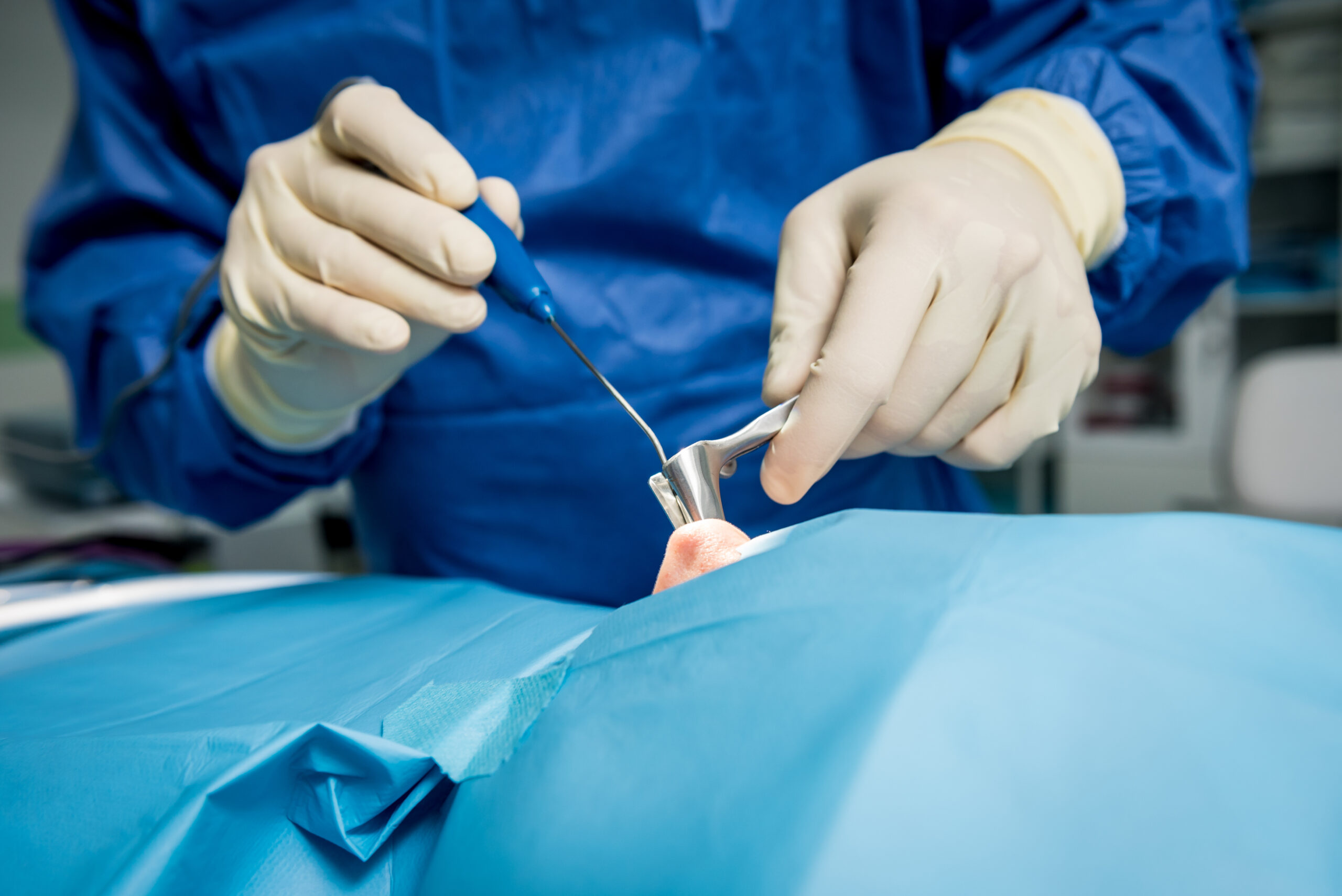
Open and Closed Rhinoplasty
Nose surgery can be performed using different surgical techniques. The two main approaches are open and closed rhinoplasty.
Closed Rhinoplasty
With the closed technique, incisions are made inside the nostrils, so the surgical approach does not leave an external scar on the nose.
This method may be suitable for selected corrections where the nasal structures can be adequately treated through this approach.
Open Rhinoplasty
Open rhinoplasty requires an additional small incision in the columella, the strip of tissue separating the nostrils.
This gives the surgeon broader access to the cartilage and bone, which can be especially useful for complex reconstructions and revision surgery.
As it heals, the scar on the columella usually becomes less noticeable, although its final appearance varies from person to person.
The choice of technique depends on the nose’s anatomy, the planned scope of correction and the surgeon’s assessment. Neither approach is universally best for every patient.
How to Prepare for Rhinoplasty
Preparing for nose surgery is important for the safety of the procedure and a smooth recovery.
During the consultation, give the doctor complete information about your general health, previous operations, chronic conditions, and any medicines or supplements you take.
Blood-clotting disorders, chronic respiratory conditions, diseases of the nose and sinuses, and previous injuries to the area are particularly important.
Before surgery, you should:
- complete the tests recommended by your doctor,
- tell your doctor about all medicines you take,
- discuss the use of products that affect blood clotting,
- stop smoking for the period specified by your surgeon,
- avoid infections and tell your doctor if you develop any symptoms,
- follow instructions about fasting,
- plan to limit work and physical activity after surgery.
Do not stop taking medicines on your own, especially anticoagulants. Any changes to your medication should be discussed with the appropriate doctor.
Recovery After Nose Surgery
Healing after rhinoplasty takes place in stages. Although the first visible changes in the shape of the nose may appear relatively soon, the tissues take considerably longer to stabilise fully.
The First Few Days After Surgery
Swelling of the nose and surrounding tissues, a stuffy nose, minor bleeding and discomfort are common immediately after surgery.
Some patients also develop bruising around the eyes. Its severity depends on the extent of the correction, particularly whether the nasal bones were involved.
For the first few days, rest is recommended. Sleep with your head slightly elevated and avoid bending over or strenuous activity.
The First and Second Weeks
During this period, swelling and bruising usually begin to subside gradually.
The external splint is most often removed after about a week, although the exact timing depends on the surgeon’s decision. Once the dressing is removed, you can see the initial shape of the nose, which will continue to change as it heals.
Many people can return to work that does not involve physical exertion after about 7–14 days, depending on how they feel and how their recovery is progressing.
The Weeks After Surgery
Over the following weeks, the swelling gradually decreases and the tissues regain their natural softness.
For the period specified by your surgeon, avoid strenuous activity, contact sports and situations that could put your nose at risk of injury.
It is also important to follow instructions about wearing glasses, caring for your nose and protecting it from sunlight.
When Can the Final Result of Rhinoplasty Be Assessed?
The final result is not visible as soon as the dressing is removed.
Much of the swelling subsides during the first weeks and months, but the nose may take around 12 months to take its final shape, and sometimes longer.
Mild swelling at the tip of the nose may last particularly long, especially in patients with thicker skin or after extensive reconstructive surgery.
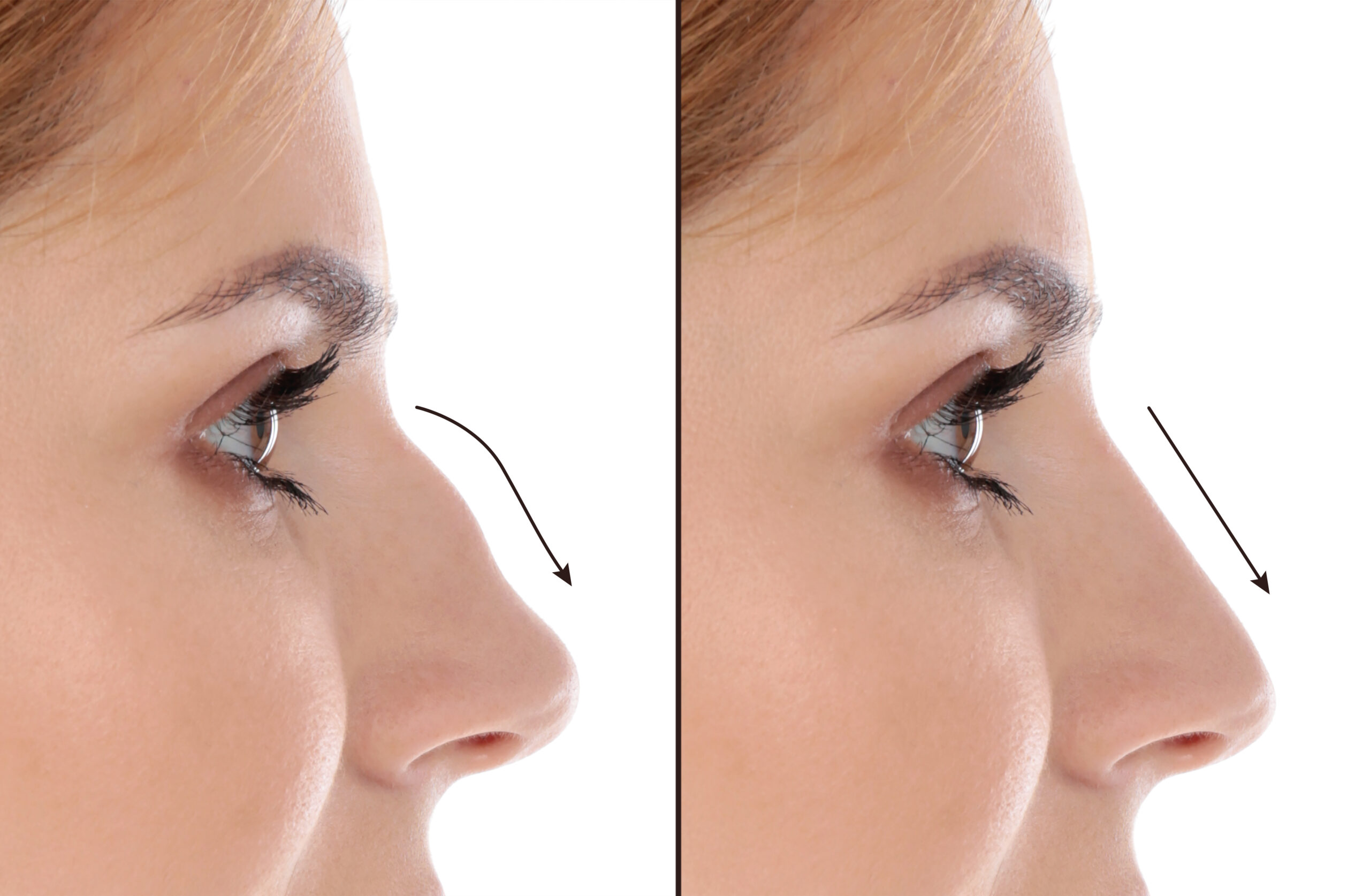
What Results Can Nose Surgery Achieve?
A carefully planned nose operation can change the appearance of the nose while preserving the face’s natural proportions.
Depending on the scope of the procedure, it may be possible to:
- reduce or reshape the nose,
- remove a hump and smooth the line of the bridge,
- improve symmetry,
- correct a wide or drooping nasal tip,
- change the length or projection of the nose,
- improve the proportions between the nose and other facial features,
- reconstruct post-traumatic deformities,
- improve nasal airflow if the operation involves the structures responsible for breathing.
The result depends on the patient’s original anatomy, skin quality, healing process and the extent of correction that can be performed.
Keep in mind that no face is perfectly symmetrical, so minor differences between the two sides of the nose may remain after surgery.

Is Nose Surgery Safe?
Rhinoplasty is a surgical procedure that requires appropriate patient assessment, an experienced surgeon and suitable medical facilities.
Like any operation, it carries a risk of complications. The likelihood depends, among other things, on the patient’s health, the complexity of the procedure and the healing process.
Possible complications include:
- bleeding and infection,
- prolonged swelling,
- asymmetry or irregularities in the nasal contour,
- changes in skin sensation,
- difficulty breathing through the nose,
- abnormal scar healing,
- nasal septum perforation,
- an unsatisfactory aesthetic result,
- the need for further corrective surgery.
Complications related to general anaesthesia are also possible.
If you experience heavy bleeding, a fever, increasing pain or other concerning symptoms after surgery, contact your doctor immediately.
Who Should Not Undergo Rhinoplasty?
Not every patient is suitable for nose surgery.
Uncontrolled chronic conditions, active infections, blood-clotting disorders, certain cardiovascular and respiratory conditions, and other factors that increase surgical risk may be contraindications or reasons to postpone the procedure.
It is also important to have realistic expectations about the outcome and to understand the limitations of cosmetic surgery.
For younger patients, the development of the facial bones and structures must also be taken into account.
The doctor makes the final decision about suitability for surgery based on an examination and an assessment of the individual risks.
Revision Rhinoplasty – When Is Further Surgery Needed?
Not every rhinoplasty achieves a result that fully meets the patient’s expectations. Even when the operation goes as planned, the healing and tissue remodelling process can sometimes affect the nose’s final appearance.
In other cases, problems may be due to residual deformity, asymmetry, nasal obstruction or insufficient support for the cartilage structures.
Revision rhinoplasty requires particularly careful planning. The surgeon must take into account scarring, changes to the anatomy and the availability of tissue for any reconstruction that may be needed.
It is generally recommended to wait until the main healing process from the previous operation is complete—often at least 12 months—unless specific complications require earlier intervention.
Wilmed offers consultations for revision rhinoplasty. The scope of surgery is determined individually after reviewing the previous treatment and assessing the current condition of the tissues.

Rhinoplasty in Warsaw – Nose Surgery at Wilmed
Wilmed Hospital and Medical Center in Warsaw offers plastic surgery procedures, including primary and revision rhinoplasty.
Nose surgery at Wilmed is performed by Dr Maciej Kuczyński, MD, PhD – a specialist in plastic and general surgery and Vice President of the Polish Society of Plastic, Reconstructive and Aesthetic Surgery.
During the consultation, the specialist assesses the nose’s anatomy, the possibilities for correction and the patient’s expectations. Particular attention is paid to maintaining facial proportions, planning treatment appropriately and ensuring surgical safety.
Wilmed patients have access to hospital facilities, qualified medical staff, and care before, during and after surgery.
An individual approach makes it possible to match the procedure to each patient’s actual needs, rather than applying the same correction plan to everyone.
Nose Surgery in Warsaw – Cost
The cost of rhinoplasty depends on the complexity of the procedure, the scope of correction and the patient’s individual anatomy.
Wilmed’s price list includes:
- Primary rhinoplasty – from PLN 24,000
- Revision rhinoplasty – from PLN 25,000
These prices are indicative and do not include anaesthesia or hospital stay costs. A detailed estimate is provided after consultation and agreement on a treatment plan.
Price should not be the only factor when choosing a clinic. The surgeon’s qualifications, the scope of medical care, diagnostic facilities and experience in nose surgery are also important.
Free Online Consultation – The First Step Towards Nose Surgery
People interested in rhinoplasty at Wilmed can request a free online consultation for an initial assessment of whether surgery may be suitable.
To do so, complete the form on the clinic’s website and submit the requested information and photographs of your nose, following the instructions provided.
The materials submitted can be used to make an initial assessment of the patient’s expectations and suggest the next steps.
A final assessment for surgery always requires an in-person medical examination.
Considering hump reduction, reshaping the nasal tip or comprehensive rhinoplasty? Contact Wilmed to arrange a consultation.
Wilmed Hospital and Medical Center
ul. Wiktorii Wiedeńskiej 9A, unit U2
02-954 Warsaw – Wilanów

FAQ – Frequently Asked Questions About Rhinoplasty
How much does rhinoplasty cost in Warsaw?
At Wilmed, primary rhinoplasty starts from PLN 24,000, while revision rhinoplasty starts from PLN 25,000. The final cost is determined individually. Anaesthesia and hospital stay costs are additional.
Is nose surgery painful?
Rhinoplasty is most often performed under general anaesthesia, so patients do not feel pain during the procedure. After surgery, pain of varying intensity, a stuffy nose and discomfort caused by swelling may occur. Symptoms are managed according to the doctor’s instructions.
How long does nose surgery take?
The duration of rhinoplasty depends on the type of deformity and the scope of the planned correction. The procedure may take around 1.5 hours to several hours, while complex revision surgery may take longer.
How long does the nose take to heal after rhinoplasty?
The most noticeable swelling and bruising usually begin to subside within the first 2–3 weeks. Full healing and stabilisation of the nose’s shape may take 12 months or longer, particularly after complex surgery.
Can the nose be made smaller with surgery?
Yes. Rhinoplasty can reduce selected nasal structures, change the width of the bridge, adjust the length and reshape the tip. The extent of reduction depends on the patient’s anatomy and the need to preserve clear nasal airways.
Can a nasal hump be removed?
Yes. Removing a hump is a common part of nose surgery. The procedure involves reshaping the structures that form the bridge of the nose to create a more harmonious profile.
Will nose surgery leave scars?
With closed rhinoplasty, incisions are made inside the nose, so there is no external scar from the surgical approach. The open technique leaves a small scar on the columella, which usually becomes less noticeable over time.
Can rhinoplasty improve breathing?
It may improve breathing if the procedure corrects structures that are obstructing airflow through the nose. However, cosmetic surgery alone does not guarantee improved breathing. In some cases, rhinoplasty needs to be combined with septoplasty.
When can I return to work after nose surgery?
A return to office work is often possible after around 7–14 days. A longer break may be needed for physically demanding work or jobs involving strenuous activity. Confirm the timing with your treating doctor.
When can I return to the gym after rhinoplasty?
Strenuous exercise is usually restricted for around 4–6 weeks, and contact sports for longer. The exact timing depends on the type of surgery, healing progress and the surgeon’s advice.
Can I wear glasses after nose surgery?
After procedures involving the nasal bones, pressure from glasses may adversely affect healing. For a period specified by the surgeon, you may need to limit wearing glasses or use an alternative way to support them.
Are the results of rhinoplasty permanent?
Changes to the bone and cartilage structures of the nose are generally permanent. However, natural ageing, scar remodelling, healing and possible injuries may affect its appearance in the future.
Can I have a second nose operation?
Yes. Revision rhinoplasty can correct selected deformities or functional problems after an earlier procedure. It is usually more technically complex and requires particularly careful assessment.
Can nose surgery be performed without changing the way the nose looks?
Yes. If the aim is solely to improve nasal airflow, septoplasty without a planned change to the external appearance may be possible in selected cases. However, unintended changes to the contour cannot be ruled out completely. The appropriate procedure depends on the type of problem.
How do I book a rhinoplasty at Wilmed?
You can contact Wilmed’s reception by phone or request an initial online consultation through the clinic’s website. After a specialist consultation and a positive assessment for surgery, the scope of the procedure and the further treatment plan are agreed.
Wyróżnienie dla Najlepszej Placówki 2019
Wyróżnienie przyznane przez pacjentów, którzy skorzystali z naszych usług za pośrednictwem platformy tourmedica.pl
Kontakt
Skontaktuj się z nami
Zadzwoń do nas
Adres
ul. Wiktorii Wiedeńskiej 9a lok.U2
02-954 Warszawa - Wilanów
Inspektor danych osobowych
Katarzyna Mączyńska - MBRK
[email protected]
Godziny otwarcia
Od poniedziałku do piątku
w godzinach od 08:00 do 20:00