



Strona główna / Knowledge Base /
Nipple and areola corrections
Nipple and Areola Corrections
The term \”Breast corrections – nipple and areola corrections\” may sound enigmatic but encompasses a range of surgical and aesthetic procedures aimed at improving the shape, size, or position of the nipples and areolas. Although the concept may seem simple – it involves modifying a relatively small area of the breast – in practice it requires thorough anatomical knowledge, experience in plastic surgery, and considerable empathy for patients. It is not only about appearance: these procedures often help restore psychological comfort and sometimes even physical comfort. This article will provide key information about the anatomy of nipples and areolas, indications for correction, consultation process, surgical methods, recovery, and outcomes. I will also include real-life examples to avoid a cold, impersonal tone. Every patient has their own story and motivations that deserve respect and understanding. Welcome to the reading.
Anatomy and function of nipples and areolas
Before describing various procedures, it is worth understanding the basic anatomy. Nipples and areolas have not only an aesthetic dimension but are important parts of the breast, playing a significant role in the function of the mammary gland as well as in sexual and psychological aspects.
Structure and role of the nipple
The nipple (Latin: papilla mammae) is a protruding part of the breast through which milk ducts pass. In breastfeeding women, it is the key area through which milk is released. It is also highly innervated, affecting sensitivity to touch and sexual arousal. The size and shape of nipples can dynamically change in response to stimuli (e.g., cold, touch, excitement).
Structure and significance of the areola
The areola (Latin: areola mammae) is the darker skin area surrounding the nipple. Its color and size vary depending on genetics, age, hormonal status, and pregnancy history. The areola is also richly innervated and contains sweat, sebaceous, and apocrine glands (Montgomery glands) that secrete substances with protective and moisturizing functions. For many patients, the shape, symmetry, and proportions of the areola largely determine their subjective perception of breast appearance.
Indications for corrective procedures
Psychological aspects related to nipples and areolas
It should not be forgotten that breasts play a huge role in emotional life. For many, they symbolize femininity, fertility, and attractiveness. Therefore, any irregularities in the nipples and areolas – from asymmetry, overly protruding or inverted nipples, to excessively large areolas – can cause insecurity and complexes. From a psychological perspective, breast corrections – nipple and areola corrections – often represent a real chance to regain self-confidence and comfort in intimate relationships.
Breast corrections – nipple and areola corrections – are not solely aesthetic. While most patients seek to improve appearance and well-being, there are situations where the procedure also has a functional dimension. Below are various causes and indications for surgical modifications.
- Asymmetry or improper proportions – asymmetric nipples or areolas may result from congenital predispositions or be consequences of pregnancy, lactation, or hormonal changes. It is common for one nipple to be significantly larger or more widely spaced than the other. Patients often seek to equalize proportions for a more symmetrical breast appearance. The procedure may also address nipple position, especially in cases of breast ptosis after major weight changes or breastfeeding.
- Inverted nipples – inverted nipples are not only an aesthetic issue but can sometimes prevent or complicate breastfeeding. This condition results from abnormal shape and shortening of milk ducts, which pull the nipple inward. Corrective procedures aim to release the ducts and restore proper nipple shape and position. It is important to consider potential effects on lactation if the patient plans future pregnancy and breastfeeding.
- Excessively protruding nipples – overly large and protruding nipples may cause discomfort when wearing bras or during physical activity. Additionally, patients feeling self-conscious may limit social activities and choose clothing that conceals breast shape. In men, prominent nipples may be associated with gynecomastia (breast gland enlargement) or occur as an isolated aesthetic concern.
- Too large areola diameter – sometimes areolas are disproportionately large relative to overall breast size, which may disrupt aesthetic harmony. In such cases, areola reduction is performed, usually around the circumference, preserving nipple sensitivity and function. This procedure can be done alone or combined with breast lift or augmentation if the patient desires broader breast appearance correction.
- Consequences of oncological treatments – some patients opt for nipple and areola corrections after mastectomy or other breast cancer treatments. Restoring natural nipple appearance or breast reconstruction can be crucial for psychological recovery after treatment. In these cases, psychological support and close cooperation with an oncologist are essential to ensure corrections do not interfere with ongoing medical care.
Types of Available Procedures
Methods of nipple and areola correction are very diverse. The choice of a specific technique depends on the patient’s health condition, expected outcome, and possible contraindications. Before the procedure, it is worth discussing all options thoroughly with a specialist. Although every case is different, below we present the most popular types of procedures.
- Correction of inverted nipples – inverted nipples are often corrected by releasing shortened milk ducts, which allows the nipple to be \”brought out\”. Sometimes non-absorbable sutures are used to maintain the nipple’s new position to prevent it from returning to its previous state. In less advanced cases, non-surgical methods such as nipple suction devices may be used, although their effectiveness can be limited and depends on the degree of inversion.
- Reduction of overly large nipples – reduction of enlarged nipples is performed by removing part of their tissue in a way that preserves maximum sensitivity and functionality (if breastfeeding is planned in the future). The surgeon can reduce the nipple’s height, diameter, or both. The result is a more proportional appearance along with improved comfort and freedom in clothing choices.
- Reduction of areolas – the main goal of this procedure is to reduce the diameter of the areola while preserving the neurovascular connections responsible for sensation and proper blood supply. The most popular method is the so-called \”donut technique\” (periareolar incision), where the surgeon removes a small strip of skin around the areola and then brings the edges of the incision together, thereby reducing its circumference.
- Elevation of nipple and areola in cases of breast ptosis – breast corrections – nipple and areola corrections are sometimes combined with lifting (mastopexy) or breast augmentation procedures. Mastopexy allows the nipple and areola to be repositioned higher to restore the breast’s former position. This intervention is often chosen by women after significant weight loss or after finishing breastfeeding, when breasts noticeably lose firmness and change position.
- Nipple reconstruction after mastectomy – in cases where the nipple and areola were removed during oncological treatment, reconstruction is possible. Sometimes skin flaps from the breast area are used, in other cases skin grafts from other sites (e.g., the groin) are applied. An interesting option is 3D tattooing, which visually recreates the appearance of the nipple and areola – this is a less invasive method, although it does not provide the protrusion characteristic of a natural nipple.
We invite you to explore our offer for areola correction procedures https://en.wilmed.pl/korekcja-otoczek-sutkowych/ and nipple correction https://en.wilmed.pl/operacja-brodawek-piersi/.
After the procedure, patients stay in comfortable rooms at our Wilmed hospital https://en.wilmed.pl/galeria/szpital-wilmed/

Consultation and Qualification for the Procedure
Before deciding on nipple or areola correction, a detailed consultation with a plastic surgeon is necessary. It is advisable to choose a specialist with extensive experience in such procedures, as even small millimeter differences can affect the final result and patient satisfaction.
Examinations and Medical History
During the consultation, the surgeon assesses the appearance of the breasts, their shape, proportions, and skin condition. Then a medical history is taken, asking about any coexisting diseases, medications, previous surgeries, or tendency to form keloids. Imaging tests (ultrasound, mammography) may also be recommended to exclude pathological changes in the breast.
Determining Patient Expectations
A key part of the preoperative meeting is discussing the patient’s expectations regarding the procedure. Is the main goal to reduce the areola, correct an inverted nipple, or perform full reconstruction after mastectomy? The surgeon should present realistic possibilities and potential limitations to avoid disappointment. In some cases, combined procedures, such as breast reduction or implants, need to be discussed.
Tailoring the Procedure Plan to Individual Needs
Sometimes a patient has asymmetrical nipples and also feels discomfort due to breast ptosis. In such cases, nipple correction can be planned together with mastopexy or augmentation. This comprehensive approach may shorten the overall recovery time, although it is a more extensive intervention with a slightly higher risk of complications. Every medical decision should always balance benefits and possible risks.
Preparation for the procedure
Although “Breast corrections – nipple and areola corrections” may sound like simple procedures, it is important to approach them with full responsibility. Proper preparation for surgery is key to minimizing the risk of complications and achieving the optimal result.
Dietary and lifestyle recommendations
Before the procedure, it is recommended to maintain a relatively stable body weight. Drastic weight fluctuations before and after surgery can affect the final appearance of the breasts and the tissue healing process. It is also advisable to follow a healthy, balanced diet rich in protein, vitamins, and minerals – these nutrients support the body’s regeneration.
If the patient smokes, the surgeon may request reducing or completely quitting smoking several weeks before and after the procedure. Nicotine disrupts microcirculation and can prolong the healing process. Additionally, avoiding alcohol during the preparation period is recommended. Many clinics also suggest that patients limit intense physical exercise immediately before the procedure, especially if it heavily involves chest muscles.
Anesthesiology consultation and possible tests
Depending on the extent of the planned correction and individual predispositions, procedures may be performed under local anesthesia, intravenous sedation, or general anesthesia. The anesthesiologist decides on the optimal type of anesthesia, taking into account the patient’s health status, the duration of the procedure, and the invasiveness of the surgery. Sometimes additional tests such as ECG, blood count, or coagulation profile are necessary to exclude the risk of anesthetic complications.
Childcare and daily life organization
Although it may seem trivial, patients often emphasize how important it is to prepare support for childcare or household management. After nipple and areola correction, it may take at least two to three weeks before full fitness is regained. Arranging for someone to do shopping, help with young children, or walk the dog can significantly ease the first days after the procedure when pain and limited arm mobility are most noticeable.
Course of the operation
The procedure itself depends on the type of correction. However, there are several common elements that can be expected in almost every case.
Anesthesia and patient positioning
Before the procedure, the patient is usually dressed in a disposable surgical gown and positioned on the operating table in a semi-reclined or supine position. After administering the appropriate anesthesia, the surgeon makes incisions on the breasts using lines previously marked on the skin. The incisions are planned so that scars are as inconspicuous as possible, often at the border of the areola or within it, where any postoperative marks blend with the natural skin color variations.
Shaping the nipple and areola
In nipple correction, the surgeon removes excess tissue, reduces height, or releases milk ducts (in the case of inverted nipples). Then the nipple is shaped accordingly. For areola corrections, a small strip of skin around its circumference is often excised and the edges are approximated, reducing the diameter. The entire area is precisely sutured to ensure an even and harmonious shape.
Applying dressings and possible drainage
After suturing the tissues, the surgeon applies dressings to protect the wound from infections and mechanical injuries. Sometimes small drains are inserted if the procedure was more invasive and there is a risk of fluid accumulation. Finally, the patient receives a special bra or compression band that stabilizes the breasts and helps maintain the desired shape. Depending on the scope of the operation and type of anesthesia, the patient may leave the clinic the same day or stay for a short observation.
Nipple and areola correction procedures at our Clinic are performed by Dr. Piotr Ciszewski https://en.wilmed.pl/specjalisci/piotr-ciszewski/

Recovery and post-procedure recommendations
The postoperative period is usually shorter and less burdensome than with extensive breast surgeries (such as implant augmentation or large breast reduction). However, it should not be underestimated. Caring for wounds, avoiding excessive activity, and following the doctor’s instructions are key to beautiful and lasting results.
The first days after the procedure
The patient may experience pain, burning, or discomfort at the incision sites, especially when moving the arms. Painkillers prescribed by the doctor can be helpful. Dressings should be changed regularly, and it is important to monitor for any serous fluid or blood discharge or signs of infection (redness, severe pain, fever). The postoperative bra (or special bandage) is usually worn for several weeks, depending on the surgeon’s recommendations.
Activity restrictions
For at least several to a dozen days, lifting heavy objects or performing intense physical exercises is not recommended. Contact sports or running may cause tissue displacement and delay healing. Light walks are encouraged as they stimulate circulation and aid in recovery. Patients often ask when they can return to work: usually one or two weeks off is sufficient unless the job requires significant physical activity.
Scar care
In nipple and areola corrections, scars are usually relatively small and become almost invisible over time. After wound healing, specialized silicone gels or patches that accelerate scar healing can be used. It is important to protect the area from the sun (using sunscreen and covering the breasts) for at least several months to minimize the risk of discoloration. If a patient is prone to keloids or hypertrophic scars, the surgeon may recommend additional preventive measures.
Results and possible complications
“Breast corrections – nipple and areola corrections” generally yield very satisfactory results. Many patients regain confidence and comfort in intimate or public situations (e.g., at the beach). However, as with any surgical intervention, there is some risk of complications.
Expected outcomes
- Increased symmetry – nipples and areolas can be equalized in size and position.
- Improved shape – correcting inverted nipples or reducing excessively large nipples and areolas restores proportional breast appearance.
- Psychological comfort – for many, improved appearance is associated with greater self-confidence and better daily well-being.
- Potential facilitation of breastfeeding – in cases of inverted nipples, the procedure may help with breastfeeding in the future, although it does not guarantee 100% effectiveness.
Potential risks and side effects
- Infections – the risk of infection around the surgical wound always exists, which is why hygiene and postoperative monitoring are so important.
- Hematomas and swelling – especially in the first days after surgery, swelling and bruising may occur, usually resolving spontaneously within one to two weeks.
- Scars and sensory changes – scars around the areola or nipples are usually minimally visible, but in individuals prone to hypertrophic scars, they may become more noticeable. Temporary or permanent reduced sensation in the nipple area can also occur.
- Dissatisfaction with cosmetic results – rarely, patients may expect a different outcome. Therefore, thorough consultation and setting realistic goals are essential.
Patient Stories – Maria and Ania
To provide a more personal context, I will share two example stories of patients who decided to undergo breast corrections – correction of nipples and areolas.
Ms. Maria – correction of inverted nipples
Maria, a 32-year-old mother of two children, was ashamed of her inverted nipples for many years. Although she managed to breastfeed, each time she nursed her infant, she struggled with pain and discomfort. After she stopped breastfeeding, she decided to do something about it. After consulting with a plastic surgeon, it was decided to perform a minor procedure under local anesthesia. The procedure lasted just over an hour, and the results were visible almost immediately. Maria recalls that the greatest relief was getting rid of the complex she had lived with for years. Today, she enjoys the appearance of her breasts and says she only regrets one thing – waiting so long to make the decision.
Ms. Ania – reduction of overly large areolas
Ania, 27, had struggled with a significant complex regarding wide areolas since puberty. She was physically active and loved water sports but felt self-conscious wearing a swimsuit. Finally, she gathered the courage to consult a plastic surgeon. The procedure was performed as part of a one-day stay at the clinic. After about two weeks, Ania returned to regular training, and she noticed the full effect after about three months, when the scars had almost completely faded. Now she freely goes to the pool and says with a smile that she finally feels her breasts are as they should be.
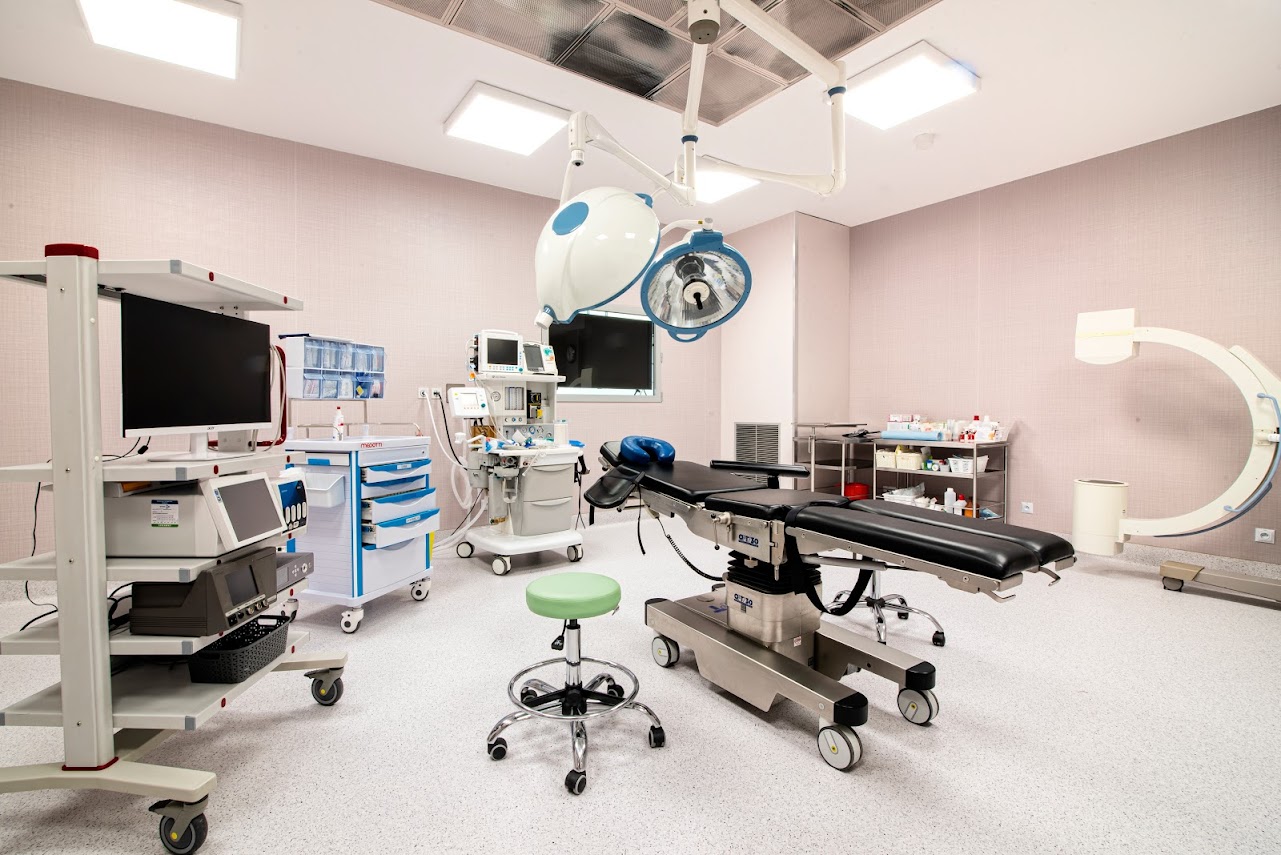
The described procedures are performed in the operating room of Wilmed hospital. You can see our interiors herehttps://en.wilmed.pl/galeria/szpital-wilmed/
Frequently Asked Questions
During consultations, patients come with various doubts. Here are some questions that appear particularly often:
- Does the procedure affect the ability to breastfeed?
Usually, breast corrections – nipple and areola corrections do not exclude the possibility of breastfeeding. However, in the case of inverted nipples, releasing the milk ducts may be necessary, which sometimes involves altering their continuity. It is worth discussing this aspect with the surgeon, especially if pregnancy is planned. - How long should a special bra be worn after the procedure?
It is often recommended to wear a postoperative bra for about 2–4 weeks, both day and night. This period may vary depending on the extent of the procedure and the healing rate. - Does nipple and areola correction hurt?
After surgery, pain and discomfort may occur, but they are usually easy to manage with standard painkillers. The intensity of pain depends on the individual pain threshold and the type of procedure. - When can physical activity be resumed?
Light activities, such as walking, can be started after a few days. Intensive exercise or strenuous sports should be avoided for about 4–6 weeks until the body fully recovers. - Will the scars be very visible?
Scars from procedures involving nipples and areolas usually fade quickly and become barely noticeable. The precision of the procedure, care, and the patient’s individual predispositions play a significant role here.
How to Choose a Clinic and Surgeon?
Choosing the right place to perform the procedure is as important as the decision to undergo surgery itself. Here are some tips:
- Surgeon’s experience
Make sure the surgeon you entrust with your breast correction has experience in such procedures. It is worth asking for before and after photos of patients to see the results. - Reviews from other patients
Look for reviews and opinions online or ask friends if they have a trusted specialist. However, approach online reviews with caution – sometimes it is worth asking the doctor for the possibility to speak with one of their satisfied patients. - Communication and trust
During the consultation, pay attention to whether the doctor patiently explains doubts, the impression made by the clinic staff, and whether you feel treated with empathy. In doctor–patient relationships, mutual understanding and a sense of safety are crucial. - Clinic standards
Check where the procedure will take place: whether the facility has operating rooms with modern equipment, what hygiene standards are in place, and what safety procedures apply.
\”Breast corrections – nipple and areola corrections\” are, contrary to appearances, quite complex procedures. Although they concern a small area of the body, their execution requires precision, experience, and understanding of the individual needs of patients. A well-performed procedure can completely change one’s well-being and self-confidence, which translates into improved quality of life.
If you are considering such a procedure, the first step should be an honest conversation with an experienced plastic surgeon. Together you will determine the best course of action: the type of procedure, optimal timing, and details regarding recovery. Remember that every operation – even the smallest – carries some risk, but with proper medical care and preparation, this risk can be significantly minimized.
It is also worth considering psychological aspects. Breasts, nipples, and areolas are intimate areas strongly connected to self-esteem. Many women, and increasingly men, decide to make changes in this area seeking acceptance of their own body. Ultimately, the most important thing is that the decision is made consciously, with full knowledge of the advantages and possible disadvantages of the procedure.
Well-organized recovery and following the doctor’s recommendations are key to maximizing positive effects. Remember that every person is different, and the body may react differently to the procedure. However, if you have any doubts, additional questions, or concerns, do not hesitate to ask your doctor – communication is the foundation of success in aesthetic medicine.
From the perspective of those who have already undergone breast corrections – nipple and areola corrections – words often spoken are about great psychological relief and satisfaction with their appearance. Some patients only regret not deciding on the procedure earlier. However, remember that this is a very personal decision, and everyone should make it in harmony with themselves, after thorough consultations and with the support of an experienced specialist.
If you wish to change something about your appearance that has long caused you discomfort and lowered your quality of life, nipple and areola correction may be a valuable way to achieve harmony with your own body. It is important, however, to perform it responsibly and in professional conditions, consulting every step with a trusted surgeon.
For many people, details such as breast symmetry or areola size determine their sense of attractiveness. Modern plastic surgery and aesthetic medicine offer a wide range of solutions that – with proper preparation and care – can provide lasting and satisfying results. So if you are wondering whether \”Breast corrections – nipple and areola corrections\” are for you, do not be afraid to seek information and ask questions. It is your comfort, your body, and your decision. Support from a competent specialist and awareness of your own needs will help you take the right path to fulfilling both aesthetic and psychological expectations.
Wyróżnienie dla Najlepszej Placówki 2019
Wyróżnienie przyznane przez pacjentów, którzy skorzystali z naszych usług za pośrednictwem platformy tourmedica.pl
Kontakt
Skontaktuj się z nami
Zadzwoń do nas
Adres
ul. Wiktorii Wiedeńskiej 9a lok.U2
02-954 Warszawa - Wilanów
Inspektor danych osobowych
Katarzyna Mączyńska - MBRK
[email protected]
Godziny otwarcia
Od poniedziałku do piątku
w godzinach od 08:00 do 20:00