



Strona główna / Knowledge Base /
Thermolezation – minimally invasive treatment of trigeminal nerve facial pain.
Thermolesion – minimally invasive pain treatment
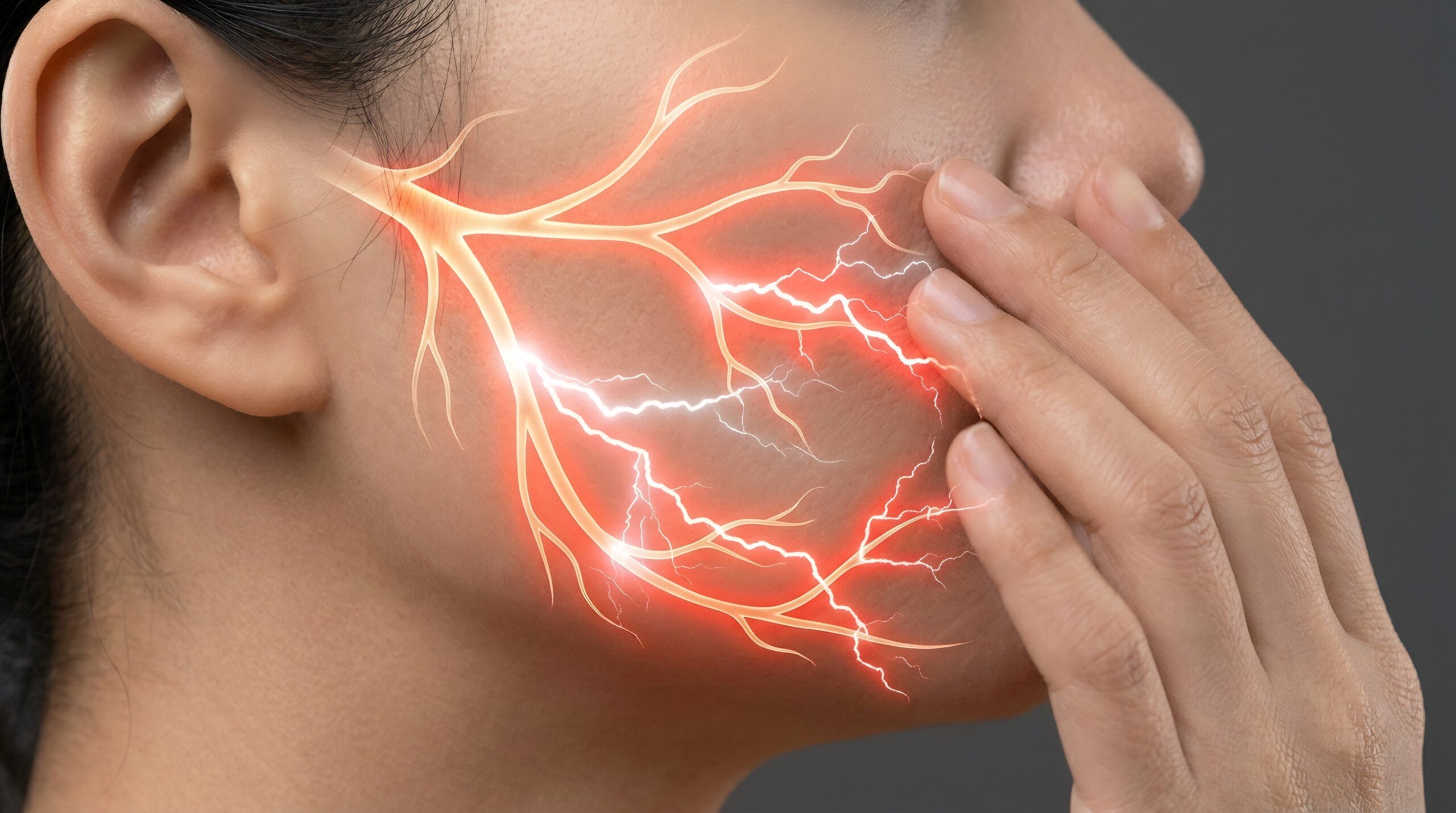
Chronic pain can completely change daily functioning. It limits activity, disrupts sleep, takes away the sense of security, and makes even simple tasks a huge effort. However, there are pain syndromes that patients describe as particularly debilitating. Among these is trigeminal neuralgia — a condition associated with very severe, paroxysmal facial pain. It is colloquially referred to as \”the suicide pain\” precisely because of its extreme intensity. This term is informal but effectively illustrates how dramatic the symptoms experienced by patients can be.
At Wilmed, pain treatment is an important area of neurosurgery. The clinic describes thermolesion as a method that involves disabling the nerves transmitting pain by means of a carefully controlled temperature generated by an electrode placed near the structures responsible for conducting pain stimuli. The procedure is performed under local anesthesia, with X-ray guidance, lasts about 30 minutes, and is considered minimally invasive.
This is very important because some patients with chronic pain seek effective solutions that are less burdensome than extensive surgical treatment. This is exactly where thermolesion finds its application — as a modern pain treatment method, tailored individually to the type of condition and patient needs. The Wilmed offer includes both general pain treatment using thermolesion and specifically trigeminal nerve thermolesion, demonstrating that the clinic also addresses particularly challenging facial pain syndromes.

What is thermolesion?
Thermolesion is a pain-relieving procedure aimed at reducing the conduction of pain stimuli through selected nerves. As described by Wilmed, a small electrode is placed near the nerves transmitting pain, which uses radiofrequency waves to generate an appropriate temperature. This action leads to controlled tissue damage in a very small area and consequently disables the nerves transmitting pain further.
From the patient\’s perspective, the most important aspect is that the procedure is minimally invasive. This does not mean it is a minor procedure without significance, but that its scope is limited and the method of execution allows for precise and targeted action. Wilmed emphasizes this advantage of thermolesion, highlighting its low invasiveness alongside the therapeutic goal of pain reduction.
In which situations is thermolesion used?
On the Wilmed website, thermolesion is primarily presented as a pain treatment method. In materials related to pain treatment and neurosurgery, it appears in the context of ailments associated with the spine, sacroiliac joint, and chronic pain treatment. The clinic also indicates that thermolesion is sometimes used in patients who have improved after spine or sacroiliac joint blocks, with effects lasting from several months to several years.
At the same time, Wilmed\’s offer also includes trigeminal nerve thermolesion and treatment of trigeminal neuralgia. This is particularly important because pain in this area is among the most burdensome and dramatic of chronic pain syndromes. The presence of this procedure in the neurosurgical price list and its mention in Wilmed specialists\’ profiles confirms that the clinic also treats facial pain of this nature.

Trigeminal neuralgia – why is this pain so difficult to endure?
The trigeminal nerve is responsible for sensation in the face. When trigeminal neuralgia occurs, the pain can be very sudden, paroxysmal, and extremely intense. Patients often describe it as piercing, shocking, and completely disruptive to daily life. This is why the colloquial term \”suicide pain\” is sometimes used. It is not a medical term but a strong image of the severe experience faced by those affected.
In Wilmed\’s communication, this topic appears through the indication that the clinic\’s neurosurgeons treat trigeminal neuralgia, and that trigeminal nerve thermolesion is included in the procedural offer. This shows that Wilmed addresses one of the most severe facial pain syndromes.
What does trigeminal nerve thermocoagulation involve?
Based on the general description of thermocoagulation on the Wilmed website, it can be explained that in the case of the trigeminal nerve, the goal of the procedure is controlled application of temperature to the pain-conducting fibers in order to reduce their ability to transmit painful stimuli. The essence of the procedure remains the same: precise action on the structures responsible for pain using an electrode and radiofrequency energy.
For the patient, the most important aspect is that the procedure aims to reduce pain intensity and improve quality of life. With such burdensome conditions as trigeminal neuralgia, even partial relief can have a significant impact on daily functioning, sleep, speaking, eating, or simple facial touch. Wilmed notes in its pain treatment description that most patients observe improvement, although this does not always mean complete resolution of symptoms. In some cases, repeated procedures or combining thermocoagulation with other treatment methods may be necessary.
How is the thermocoagulation procedure performed?
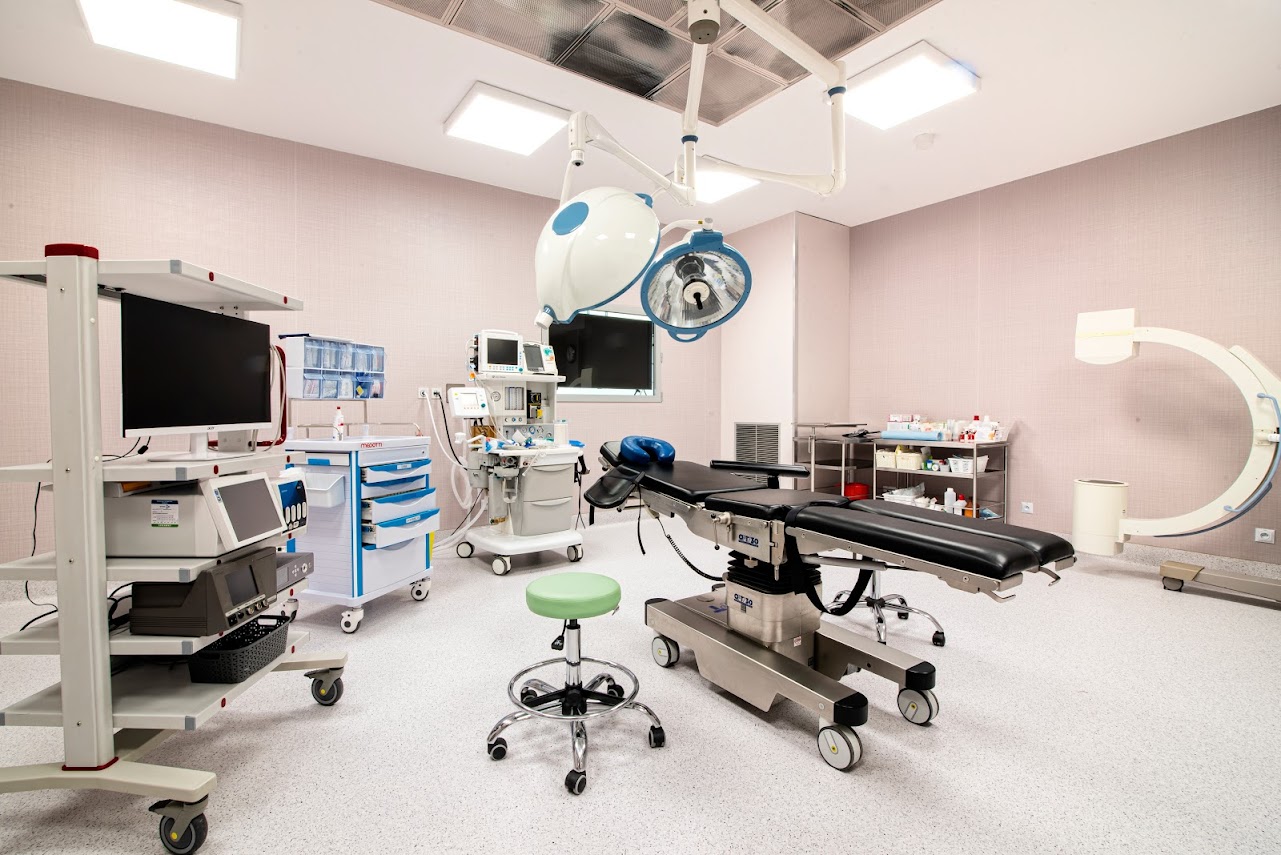
Wilmed states that the thermocoagulation procedure is performed in the operating room of the Wilmed hospital, under local anesthesia and fluoroscopic guidance. It lasts about 30 minutes. This is important information as it clearly shows that although the procedure is minimally invasive, it is carried out in a surgical setting, using appropriate imaging equipment and with the precision necessary for safe operation near nerve structures.
From the patient’s perspective, this method of performing the procedure means that the treatment is targeted and controlled. In cases of chronic pain, especially facial pain, precision is crucial. It is not about acting \”blindly\” but about reaching as accurately as possible the site responsible for pain conduction. This approach fits well with the specialized profile of Wilmed neurosurgery.
What results can be expected after thermocoagulation?
Wilmed informs that improvement after thermocoagulation can last from several months to several years. The clinic also honestly notes that complete pain relief does not always occur, although most patients observe improvement. In some cases, repeated procedures or combining thermocoagulation with other methods such as pharmacological treatment, physiotherapy, or psychotherapy may be necessary.
This is an important communication element as it demonstrates a realistic approach to pain treatment. Thermocoagulation is not presented as a promise of simple and always complete cure but as an effective method that can provide significant relief and improve quality of life. For patients with trigeminal neuralgia, even just reducing the intensity or frequency of pain attacks can mean a huge change in daily functioning.
Why does the minimally invasive nature of the procedure matter?
In chronic pain treatment, patients often look for solutions that are effective but less burdensome than classic extensive surgeries. Wilmed clearly defines thermolesion as a minimally invasive procedure. Combined with the short duration of the procedure, local anesthesia, and X-ray control, this creates the image of a modern method that allows targeted action while limiting the scope of intervention.
This is especially important for facial pain syndromes because patients usually see a specialist after a long period of suffering and often after unsuccessful conservative treatment attempts. The possibility of applying a minimally invasive neurosurgical procedure can be very significant in such cases.
Thermolesion as an element of modern pain treatment
On the Wilmed website, pain treatment is presented as an important area of neurosurgery. The clinic offers thermolesion, peripheral nerve neuromodulation, pain blocks, and other procedures related to the treatment of spinal and nervous system pain. This shows that thermolesion does not function as a standalone procedure detached from the rest of care but as part of a broader, specialized approach to pain therapy.
Such an approach is very important for patients with difficult pain syndromes because it allows treatment to be considered not only through the lens of a single procedure but as part of an entire management plan. Wilmed explicitly indicates that sometimes combining therapeutic methods is necessary.
Why does the topic of trigeminal neuralgia require special attention?
Not all chronic pain has the same devastating impact on daily life. Trigeminal neuralgia is a particular problem because it affects the face, an area extremely sensitive and involved in basic activities: speaking, eating, washing, and even contact with air or skin touch. When pain in this area reaches extreme intensity, the patient may feel a complete loss of control over daily life.
That is why it is so important to talk about this disease not only as \”facial pain\” but as a serious condition requiring specialized diagnosis and treatment. The presence of trigeminal neuralgia treatment and thermolesion of this nerve in Wilmed\’s offer clearly shows that the clinic understands the importance of this problem.
Thermolesion is a minimally invasive pain treatment method that involves controlled application of heat to nerves transmitting pain. According to Wilmed, the procedure is performed under local anesthesia, with X-ray guidance, lasts about 30 minutes, and can provide relief lasting from several months to several years. The clinic honestly notes that improvement does not always mean complete symptom resolution, and sometimes combining different therapy methods is necessary.
Thermolesion of the trigeminal nerve is particularly significant because neuralgia of this nerve is associated with one of the most debilitating types of pain. It is colloquially called \”the suicide pain,\” which aptly reflects the scale of patient suffering. Wilmed\’s neurosurgical offer includes both treatment of trigeminal neuralgia and thermolesion of this nerve, demonstrating that the clinic also handles such difficult and demanding cases.
FAQ – thermolesion and trigeminal nerve thermolesion
What is thermolesion?
Thermolesion is one of the interventional pain treatment methods, involving controlled damage to selected nerve fibers using high temperature. Its goal is not to completely destroy the nerve but to suppress the transmission of pain impulses.
Is thermolesion a minimally invasive procedure?
Yes. Wilmed describes thermolesion as a minimally invasive procedure. It is performed under local anesthesia, with X-ray guidance, and lasts about 30 minutes.
How is the thermolesion procedure performed?
According to Wilmed\’s description, during the procedure a small electrode is placed in close proximity to the nerves transmitting pain. The electrode emits radiofrequency waves generating an appropriate temperature that affects tissues in a very small area.
In which cases is thermolesion used?
Wilmed uses thermolesion in the treatment of chronic pain, including pain in the spine area, as well as in cases of trigeminal neuralgia. The clinic describes it as a pain treatment method that can be part of a broader therapeutic plan.
What is trigeminal nerve thermolesion?
This is the application of thermolesion in treating pain related to trigeminal neuralgia. Wilmed offers this procedure in its neurosurgical services and also identifies trigeminal neuralgia treatment as one of the specialists\’ areas of expertise.
Why is trigeminal neuralgia considered such a severe type of pain?
Wilmed directly refers to the treatment of trigeminal neuralgia as the so-called \”suicide pain.\” This colloquial term illustrates how intense and debilitating the pain attacks in this condition can be.
Can trigeminal thermolesion reduce pain attacks?
That is the goal of the procedure. Wilmed describes nerve ablation or thermocoagulation as a deliberate damage to a nerve segment under imaging control to alleviate pain attacks.
What effects can be expected after thermolesion?
Wilmed states that the effect of thermolesion can last from several months to several years. The clinic also notes that most patients observe improvement, although this does not always mean complete symptom resolution.
Is it sometimes necessary to repeat thermolesion?
Yes, this is possible. Wilmed informs that some patients may require repeated procedures or combining thermolesion with other treatment methods such as pharmacotherapy, physiotherapy, or psychotherapy.
Is thermolesion performed at Wilmed in Warsaw?
Yes. Wilmed offers pain treatment using thermolesion in Warsaw, and the neurosurgical price list also separately lists trigeminal nerve thermolesion.
Who at Wilmed treats trigeminal neuralgia?
Wilmed\’s specialist profiles indicate that the clinic\’s neurosurgeons, including Dr. n. med. Łukasz Grabarczyk, treat trigeminal neuralgia.https://en.wilmed.pl/specjalisci/lukasz-grabarczyk/
Is thermolesion the only pain treatment method?
No. Wilmed presents thermolesion as part of a broader area of pain treatment in neurosurgery. The offer also includes other procedures such as blocks and peripheral nerve neuromodulation.
Wyróżnienie dla Najlepszej Placówki 2019
Wyróżnienie przyznane przez pacjentów, którzy skorzystali z naszych usług za pośrednictwem platformy tourmedica.pl
Kontakt
Skontaktuj się z nami
Zadzwoń do nas
Adres
ul. Wiktorii Wiedeńskiej 9a lok.U2
02-954 Warszawa - Wilanów
Inspektor danych osobowych
Katarzyna Mączyńska - MBRK
[email protected]
Godziny otwarcia
Od poniedziałku do piątku
w godzinach od 08:00 do 20:00