


Strona główna / Knowledge Base /
Pain treatment – neurosurgery and thermolesions
Pain Treatment – Neurosurgery and Thermolesion
Pain can be one of the most frustrating and burdensome human experiences. Although it serves as an important warning signal, informing us about injuries or ongoing disease processes, in its chronic form it can significantly reduce quality of life. In everyday practice, doctors and patients strive to find a balance between the need to remain vigilant about symptoms and the need to alleviate severe discomfort. This balance is difficult to achieve, especially when conventional treatment methods prove insufficient. In such cases, advanced neurosurgical procedures, including thermolesion, are increasingly considered. In this article, we would like to present the complex topic of Pain Treatment in a way accessible both to medical professionals and patients seeking reliable information.
Although this article is specialized, we will also include some references to everyday life and memories from the medical office, so it is not just a dry, schematic description of therapeutic options. Every patient brings their own stories, doubts, and expectations. Especially in the case of pain treatment – most often chronic and multidimensional – it is important to remember that a procedure such as thermolesion is only one stage on the path to improving quality of life.
I invite you to read this extensive study, which – hopefully – will help you understand what the neurosurgical approach to pain involves, what the indications and contraindications for various forms of intervention are, and how thermolesion can affect patient comfort. The content is divided into several sections to facilitate comprehension and allow easy reference to interesting parts.
The Role of Pain in the Body and Its Complex Nature
Pain serves many roles in the body. On one hand, it is a warning signal – without this alarm, we might ignore serious injuries and diseases. On the other hand, excessive or chronic pain ceases to serve a protective function, becoming a cause of continuous physical and psychological suffering. In such cases, we speak of chronic pain, which usually lasts longer than three months (although time criteria may vary slightly depending on the definition used).
We often meet patients who try to explain their ailments through the lens of daily experiences. Discussions then focus on how the inability to fulfill professional duties or care for grandchildren affects mood. In these stories, it becomes clear that pain is not just a signal from pain receptors – it carries a huge emotional and social burden. This is precisely where there is room for a multidisciplinary approach, in which doctors of various specialties, physiotherapists, psychologists, and, of course, in more complex situations, neurosurgeons work together.
Factors influencing pain perception:
- Physiological condition of the body (e.g., chronic diseases, degenerative changes).
- Psychological factors (e.g., stress level, depression, anxiety).
- Social context (e.g., family expectations, awareness of the environment).
- Past experiences (e.g., previous ineffective treatment, traumatic events).
Due to this multidimensionality of pain, its treatment should be equally multifaceted. Besides pharmacological methods (various types of painkillers), physiotherapy, cognitive-behavioral therapy, or complementary methods (acupuncture, massages), in some cases interventional neurosurgical pain treatment is necessary.
Neurosurgery in pain treatment – what you need to know?
Neurosurgery is a medical specialty focused on the diagnosis and surgical treatment of diseases of the nervous system, including the brain, spinal cord, and peripheral nerves. In the context of pain, the neurosurgeon\’s work involves using advanced procedures that can provide relief when traditional treatment methods prove ineffective.
Patients who consult a neurosurgeon are most often individuals after many months of conservative treatment attempts. They have taken pain medications, undergone rehabilitation, visited psychologists, yet the pain persisted at a high level. For some, neurosurgical intervention becomes the last hope for returning to at least partial activity.
Indications for neurosurgical pain treatment methods
Pain treatment – neurosurgery and thermolesion are considered primarily when:
- The pain is chronic, lasting many months, and does not respond to standard pharmacological therapy and rehabilitation.
- There is suspicion that the source of pain lies within the nervous system, including damage or irritation of peripheral nerves or spinal cord structures.
- The patient is in a stable general condition and can safely undergo the procedure.
- Imaging results (MRI, CT) and neurological assessment suggest that intervention may bring measurable benefits.
However, this does not mean that every case of chronic pain qualifies for surgery. The neurosurgeon\’s role also includes assessing risks, comorbidities, and the potential impact of the procedure on the patient\’s further functioning.
Most common types of pain qualifying for intervention
- Neuropathic pain caused by nerve fiber damage (e.g., in diabetes, post-oncological procedures).
- Chronic spinal pain associated with degenerative disease, discopathy, or spinal canal stenosis when other methods have failed.
- Cancer pain, especially in advanced stages of disease, aimed at improving quality of life.
- Pain caused by hyperexcitability of peripheral nerves, e.g., trigeminal neuralgia.
Each of these cases may require a different approach depending on the pain source location, extent of changes, and the patient\’s overall condition.
See our offers for people struggling with pain https://en.wilmed.pl/leczenie-bolu/
What is thermolesion?
Thermolesion (also called thermocoagulation or radiofrequency ablation) is one of the interventional pain treatment methods involving controlled damage to selected nerve fibers using high temperature. Its goal is not to completely \”destroy\” the nerve but to suppress the transmission of pain impulses.
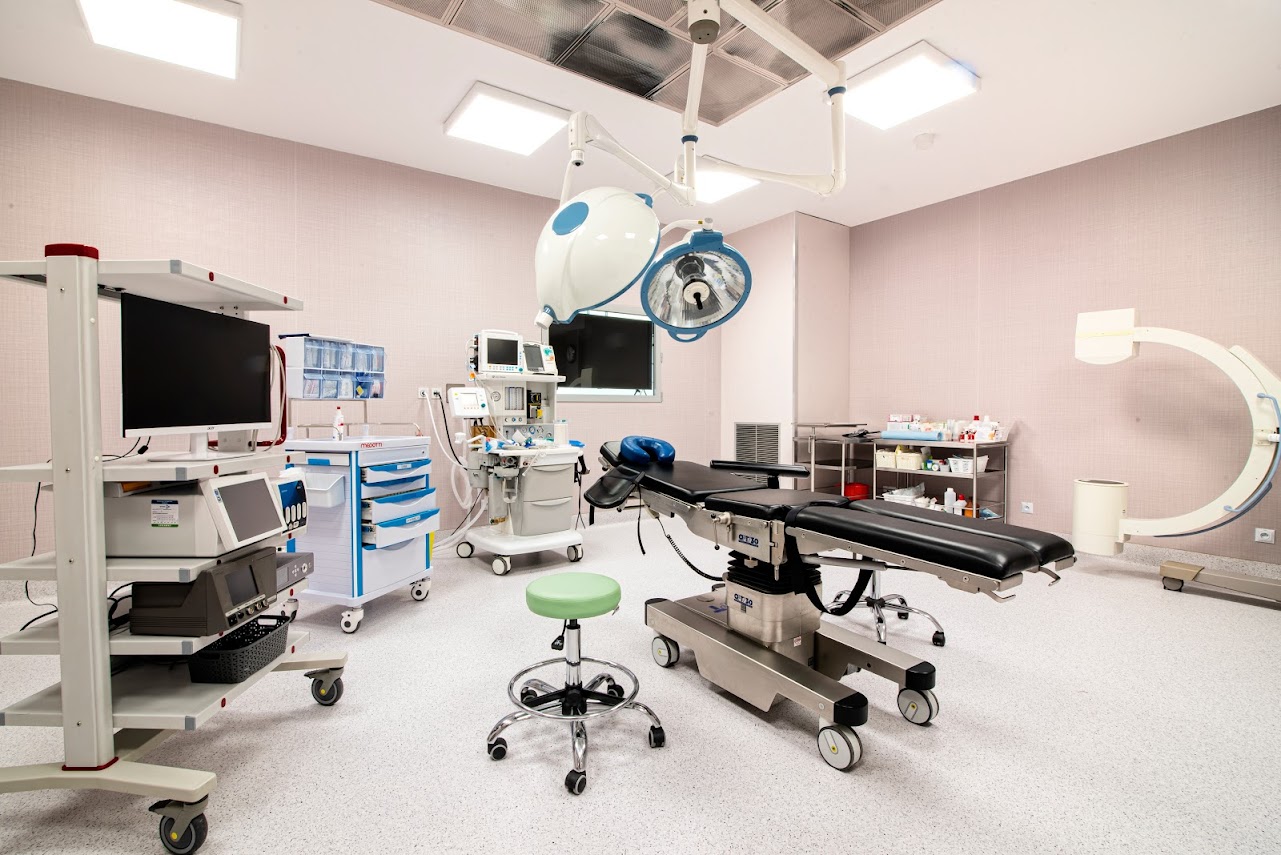
The procedure is most often performed in outpatient or hospital settings, using local anesthesia and radiological guidance (C-arm, CT, and sometimes endoscopy). This allows precise targeting of the specific nerve responsible for generating pain. Low-voltage electrical stimulation of the nerve is often used to confirm that the selected point is the actual pain source and to avoid excessive damage to adjacent nerve structures.
The greatest advantage of thermolesion is its minimally invasive nature compared to classic neurosurgical operations. Patients usually recover quickly, and the risk of serious complications is relatively low. From our own practice, we recall a patient who suffered for years from pain caused by inflammation in the sacroiliac joint. After thermolesion of the dorsal branch nerves, the pain significantly decreased, as confirmed by the patient herself, who was finally able to return to cycling, which was her passion.
Mechanism of action of thermolesion
- During the procedure, a special probe (needle) is inserted near the nerve conducting pain signals.
- Radiofrequency current flows through the probe, raising the temperature in surrounding tissues typically between 60 and 80°C.
- Such high temperature causes controlled damage (coagulation) to selected nerve fibers, leading to interruption or weakening of pain transmission.
- The nerve itself is not destroyed entirely – the aim is selective modification of signal transmission, allowing preservation of basic sensory functions.
The process is precisely controlled to avoid damage to other nerve structures. Thanks to this, the patient may experience significant pain relief – although this is not always a complete disappearance of symptoms.
At our Medical Center, pain treatment and thermolesion procedures are performed by Dr. Łukasz Grabarczyk, https://en.wilmed.pl/specjalisci/lukasz-grabarczyk/

Indications and benefits of thermolesion
Pain treatment – neurosurgery and thermolesion are options for patients struggling with chronic pain that has a specific, identified source in the form of a damaged or irritated nerve. This method is most commonly used in:
- Spinal pain: thermolesion of the facet joints in the lumbar, thoracic, or cervical regions.
- Trigeminal neuralgia: when other methods, including medications, are ineffective or insufficient.
- Sacroiliac joint pain: chronic complaints often mistaken for spinal problems, which may resolve after ablation of the dorsal branches of nerves supplying this area.
- Cancer pain: especially with limited prognosis and severe pain preventing normal functioning.
A key advantage of the procedure is its relatively low invasiveness – compared to traditional spinal surgery or spinal cord decompression, the risk of serious complications (e.g., infection, nerve structure damage) is relatively low. Additionally, thanks to local anesthesia and minimal incisions, patients often return quickly to their activities.
Qualification visit process
Before a neurosurgeon proposes thermolesion, the following are usually performed:
- A detailed medical history in which the patient describes the nature and duration of pain, circumstances of its intensification.
- A thorough neurological examination to assess sensation, muscle strength, and range of motion.
- Imaging studies (X-ray, CT, MRI) to identify pathological changes in the skeletal and nervous systems.
- Diagnostic nerve blocks (injections of anesthetic near the suspected nerve) to confirm the pain source.
If the diagnostic block provides significant relief, this is a strong argument for performing thermolesion, as it indicates the specific nerve responsible for the symptoms.
How is the thermolesion procedure performed?
Although there are various modifications of this procedure, the standard thermolesion can be simply described in the following steps:
- Patient preparation: The patient is positioned appropriately, usually on the operating table. Local anesthesia and possibly mild sedation are administered to reduce discomfort.
- Radiological navigation: Under X-ray (C-arm) or CT guidance, the physician inserts a needle to the suspected pain source location.
- Electrical stimulation: To confirm that the selected nerve fibers are correct, the physician may apply low current stimulation, observing the patient\’s reactions (e.g., tingling, pain, numbness).
- Electrode heating: Once the needle is correctly placed, radiofrequency waves are activated, raising tissue temperature to a set level (60–80°C).
- Coagulation of nerve fibers: The high temperature selectively damages parts of the fibers responsible for pain conduction. The procedure may last from several to several dozen minutes, depending on the area size.
- Patient monitoring: After the procedure, the patient remains under observation for several hours. If all goes well, they may return home the same day or the next, depending on the facility\’s protocolPossible complications and side effects
Thermolesion, although considered relatively safe, carries some risks. These include:
- Infection at the needle insertion site (very rare).
- Post-procedure pain exacerbation, usually temporary and resolving within a few days.
- Paresthesia (tingling, numbness) in the nerve-supplied area.
- Rare hematomas or damage to adjacent structures.
Most patients experience improvement, though not always complete pain resolution. In some cases, repeated procedures or combining thermolesion with other methods (physiotherapy, psychotherapy, pharmacological treatment) are necessary.
Thermolesion procedures at Wilmed Medical Center are performed in the operating room of Wilmed Hospital.
Practical tips for patients considering thermolesion
- Find an experienced center: Ensure the medical facility where you plan to have the procedure has appropriate experience in thermolesion and pain neurosurgery.
- Multidisciplinary consultation: It is advisable to talk with a neurologist, pain anesthesiologist, and physiotherapist. There may be other therapy options to implement before the procedure.
- Prepare questions for the doctor: If you have doubts – e.g., about procedure duration, anesthesia, possible risks – write them down and discuss during the qualification visit.
- Arrange support from loved ones: Although the procedure is minimally invasive, it is helpful to have assistance in the first days after the procedure (e.g., transportation, shopping).
- Take care of rehabilitation: Agree with a physiotherapist on an appropriate exercise set to strengthen muscles and maintain the procedure\’s effect.
Frequently asked questions and answers
- Does thermolesion hurt?
Local anesthesia is administered before the procedure. You may feel pressure and some discomfort, but it is usually not very painful. - How long does the effect last?
For most patients, from several months up to several years. Sometimes the procedure needs to be repeated. - Can I function normally after the procedure?
Yes, most people return to normal activity shortly after. However, it is recommended to avoid intense exertion for a few days. - Are there alternative methods?
Yes, including spinal cord stimulation, nerve blocks, and classic spinal surgeries. The choice depends on diagnosis and patient preferences. - Is the procedure reimbursed?
In Poland, many chronic pain treatment procedures may be reimbursed by the NFZ, but it is worth checking current regulations at the specific center.
Why Pain Treatment Is a Process
We would like to emphasize that Pain Treatment – neurosurgery and thermolesion is not a universal remedy for all pain ailments. There are patients for whom this method does not bring the expected results or for whom the effect appears but after some time the pain partially returns.
We recall a patient, a truck driver with many years of lumbar spine pain, who was on the verge of losing his livelihood due to the inability to sit behind the wheel. After thermolesion, he felt significant relief, returned to work, and was able to function normally for six months. Unfortunately, after several months, he returned due to recurring pain, although less intense. Repeating the procedure and intensive rehabilitation brought another period of improvement.
This story shows that treating chronic pain is not a one-time step but a process in which the patient and doctor often need to cooperate over a longer period. Thermolesion can be an excellent tool, but success largely depends on the patient’s commitment to rehabilitation, lifestyle changes, and implementing recommendations regarding physical activity and weight control.
Alternatives to Thermolesion in Pain Treatment
Neurosurgery offers a range of techniques that can serve as alternatives or complements to thermolesion. The choice of a specific method depends on the nature of the pain, the location of the problem source, the patient’s age, and other health factors.
Neuromodulation (spinal cord stimulation, peripheral nerve stimulation)
- Involves implanting electrodes near the spinal cord or peripheral nerves and sending electrical impulses that modify pain signal conduction.
- The procedure is more invasive than thermolesion but in some cases (e.g., extensive nerve damage) brings significant improvement.
- Requires regular follow-up visits and recharging the stimulator battery (if it is a battery-powered system).
Nerve Blocks
- Injection of anesthetic agents, steroids, or other substances near nerves responsible for pain.
- Often used diagnostically, but in some cases long-term blocks can significantly improve quality of life.
Decompression and Spinal Stabilization Surgeries
- Indicated for advanced degenerative changes, disc herniations compressing the spinal cord, or severe spinal deformities.
Major surgical procedures carry higher risk of complications but in appropriately selected cases can completely eliminate the source of pain
Post-Thermolesion Care – What You Should Know
I always emphasize to patients that even a successfully performed procedure is not the end of the journey. The process of returning to full fitness largely depends on proper postoperative care.
What to expect after thermolesion:
- Period of temporary symptom intensification: Some patients experience increased pain for several days after the procedure, related to local tissue irritation.
- Gradual pain relief: Pain relief is often observed within a week or two, although the final effect may take several weeks.
- Need for rehabilitation: Strengthening exercises for paraspinal muscles, physiotherapy, and sometimes additional methods (e.g., massages, manual therapy) – all help maintain the effect and prevent recurrence.
- Habit changes: If the patient does not change lifestyle habits, e.g., does not maintain appropriate physical activity or workplace ergonomics, the effect of thermolesion may be short-lived.
From a specialist’s perspective, it is important to educate patients about possible changes in daily functioning. For many people with chronic pain, even weight reduction is crucial, as every additional kilogram increases spinal load.
Mr. Adam’s Story
Mr. Adam (details changed), a man in his early forties and a warehouse manager, came to the clinic complaining of long-lasting lumbar spine pain radiating to the buttock. It turned out that the source of the problem was degenerative changes near the facet joints, confirmed by imaging studies and diagnostic block tests.
After several weeks of rehabilitation and limited effect of pharmacotherapy, we proposed thermolesion. Mr. Adam initially feared the procedure would be painful. During qualification, he was informed that local anesthesia would be used during the procedure and that he would be in contact with the doctor to respond promptly in case of discomfort.
After the procedure, Mr. Adam experienced slight symptom intensification for a few days, but over time the pain began to diminish. A month later, he started swimming, which strengthened his back muscles and helped stabilize the effects of thermolesion. After six months, he recalled that although the pain did not disappear completely, it decreased from 8/10 to 3–4/10 on a subjective scale. Finally, he could work without constant discomfort and enjoy his free time with more active recreation.
Key Elements of Success in Chronic Pain Treatment
My many years of experience show that effective pain treatment – neurosurgery and thermolesion – always rests on several pillars:
- Accurate diagnosis: Precise localization of the pain source, supported by imaging studies, diagnostic block tests, and comprehensive history taking.
- Individualized approach: Not every patient responds the same way to a given procedure, so it is necessary to consider preferences, lifestyle, and health status.
- Multidisciplinary care: Pain treatment is often a team effort – physiotherapists, psychologists, rheumatologists, and orthopedists can contribute significantly to patient improvement.
- Monitoring results and possibility of plan modification: Regular follow-up visits allow assessment of whether the method is effective or if changes are needed (e.g., another thermolesion, introduction of spinal cord stimulation).
- Patient engagement: Final success largely depends on the patient’s daily choices – physical activity, maintaining proper weight, and adherence to medical recommendations.
Emphasizing the Importance of Comprehensive Care
In our daily practice, we often meet patients expecting a “miracle cure” or “magical procedure.” However, it is important to realize that chronic pain is a complex phenomenon influenced by many factors. Even the best technique, such as thermolesion, cannot replace the role of physiotherapy, exercises, and psychological support.
On the other hand, patients who truly engage in the treatment process – pay attention to proper posture, regularly perform strengthening exercises, maintain a healthy diet, and learn to manage stress – have a much greater chance of permanently reducing pain symptoms.
Pain treatment – neurosurgery and thermolesion therefore is not just about “damaging” a nerve but about making patients aware that they are co-creators of their success. Modern pain management increasingly includes educational programs, pain coping workshops, and support groups where patients share experiences and learn how to avoid mistakes leading to symptom recurrence.
At Wilmed Medical Center, we provide care from experienced neurosurgeon Dr. Łukasz Grabarczyk and a fully empathetic approach to every patient.
Common Myths and Doubts About Thermolesion
The topic of Pain Treatment – neurosurgery and thermolesion can raise various questions and concerns. Patients often repeat certain myths and misconceptions, so it is worth dispelling them:
“Thermolesion completely destroys the nerve”
In reality, the procedure aims at controlled damage to those fibers responsible for transmitting pain. It is therefore not complete nerve destruction but rather a “reset” of its activity in the pain area.
“This method is only good for older people”
There are no strict age limits – the decisive factors are the nature of the condition, the source of pain, and the patient’s overall health.
“Pain will disappear 100% and never return”
Most patients experience significant relief, but pain may return, especially if contributing factors are not eliminated (sedentary lifestyle, overweight, lack of exercise).
“The procedure is very painful and risky”
Local anesthesia and radiological control are used, minimizing discomfort and risk of complications.
The Future of Neurosurgical Pain Treatment
Solutions such as thermolesion are part of an expanding trend of minimally invasive neurosurgical procedures that offer patients the chance for significant quality of life improvement with relatively low risk. The dynamic development of technology also allows for better precision in locating the pain source and the possibility of personalizing procedures for specific types of ailments.
In the near future, we can expect the development of neuromodulation techniques, including miniaturization of spinal stimulators, as well as advances in targeted pharmacology (e.g., genetic modification of nerve cells). However, even the most advanced technology will not replace a comprehensive patient-centered approach that considers psychological and social aspects of pain.
Pain treatment – neurosurgery and thermolesion is only one element of this puzzle, though undoubtedly a very valuable one. It must be remembered that chronic pain rarely results from a single factor and therefore requires a multifaceted approach.
Pain treatment – neurosurgery and thermolesion constitute an important and developing pillar of pain medicine. The thermolesion procedure helps individuals struggling with chronic spinal pain, neuralgia, or other disorders of pain signal conduction, offering a chance to reduce symptom intensity and improve quality of life. However, for this improvement to be lasting, a comprehensive approach and active patient involvement are essential.
We encourage all readers to further deepen their knowledge in this area. It is worthwhile to seek reliable information, consult experienced specialists, and remember that pain, although sometimes overwhelming, can in many cases be significantly alleviated thanks to modern medical advances.
Ultimately, each patient has their own individual path to follow: from diagnostics, through multidisciplinary consultations, to possible procedures – including thermolesion – and long-term, conscious health care. If you are seeking help for chronic pain, it is worth considering a consultation with a neurosurgeon who can assess whether thermolesion or another pain neurosurgery procedure is the right step in your situation.
With consistency, patience, and cooperation with the medical team, it is possible to win the battle against pain or at least reduce it. Let this be the message from my practice: it is never too late to seek help and try new methods – sometimes an interventional approach like thermolesion turns out to be the key to regaining control over your life.
Wyróżnienie dla Najlepszej Placówki 2019
Wyróżnienie przyznane przez pacjentów, którzy skorzystali z naszych usług za pośrednictwem platformy tourmedica.pl
Kontakt
Skontaktuj się z nami
Zadzwoń do nas
Adres
ul. Wiktorii Wiedeńskiej 9a lok.U2
02-954 Warszawa - Wilanów
Inspektor danych osobowych
Katarzyna Mączyńska - MBRK
[email protected]
Godziny otwarcia
Od poniedziałku do piątku
w godzinach od 08:00 do 20:00