


Strona główna / Knowledge Base /
Surgical treatment of discopathy – microdiscectomy
Discopathy is often described as a lifestyle disease affecting an increasing number of people of various ages. Until recently, it was believed that problems with the intervertebral disc mainly occurred in older individuals and those performing heavy physical work. Currently, with the development of technology and the associated sedentary lifestyle, such ailments are increasingly observed even in relatively young patients who spend long hours in front of a computer in improper posture. However, discopathy does not have to mean the end of activity and the ability to enjoy life without pain. Thanks to advances in medicine, many methods have emerged to alleviate pain and even completely eliminate troublesome symptoms. One of these methods is surgical treatment of discopathy – microdiscectomy.
Today, thanks to microsurgical tools and the development of endoscopic techniques, procedures have become less burdensome for the patient and are associated with faster recovery. Often, patients who decide on microdiscectomy are on their feet the next day or two after the procedure and can return home, which was once unthinkable. From the surgeon\’s perspective, it is a great satisfaction to see a patient smiling and free from pain immediately after the intervention.
Below is a comprehensive discussion of what discopathy is, its symptoms, conservative treatment methods, and finally, an introduction to surgical treatment of discopathy – microdiscectomy.
How discopathy develops
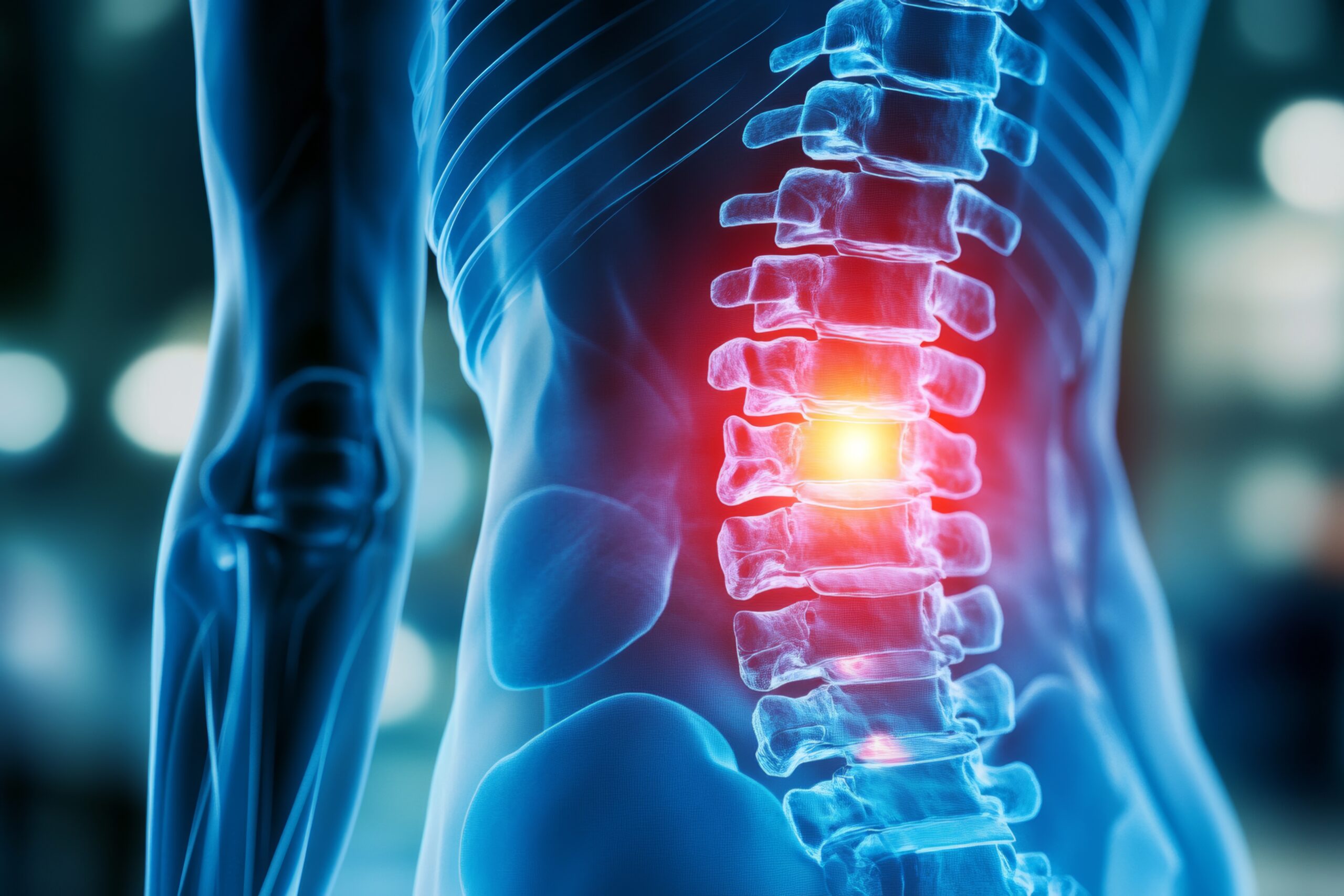
Discopathy is damage or degeneration of the intervertebral disc, commonly called a \”disc.\” Discs are located between consecutive vertebrae in the spine and play an important cushioning role, as well as allowing mobility of individual spinal segments. They can be compared to cushions filled with a gel-like nucleus pulposus, surrounded by a fibrous ring. In young, healthy individuals, this \”gel-like\” center is well hydrated and elastic, allowing the discs to effectively fill the space between vertebrae, preventing their friction.
Over time, due to overload, poor posture, injuries, but also natural aging processes, microcracks begin to appear in the fibrous ring of the disc. At the same time, the nucleus pulposus loses its elasticity and becomes less hydrated. As a result, the disc may bulge or even rupture, causing a fragment to press on nerve structures (most often nerve roots exiting the spinal cord). This condition manifests as pain, sometimes numbness in the limbs, muscle weakness, or sensory disturbances.
The case of Mr. Jan
Mr. Jan, a 43-year-old man, came to the ward after more than two months of constant lower back pain radiating to the left leg. He tried everything: from painkillers, through physiotherapy, to manual therapies and warming treatments. Unfortunately, nothing provided lasting relief. Examinations revealed a clear herniation of the nucleus pulposus at the lumbar segment (L4-L5). Mr. Jan was discouraged because the pain excluded him from professional work and normal functioning. After consultation with a neurosurgeon, it was decided that the best solution would be a microdiscectomy procedure. A few days after the surgery, the patient, who until recently had difficulty walking with crutches, happily reported that he finally managed to sleep through the night without pain.
Why is the pain so distressing?
Pain associated with discopathy is not always limited to the back. When pressure occurs on a nerve root, symptoms may radiate to the lower limbs (in lumbar discopathy) or to the upper limbs (in cervical discopathy). Depending on the location of the disc damage, the patient may experience tingling, burning, sensory disturbances, and even notice changes in muscle strength.
However, the most difficult aspect to endure is not the pain itself but its constant, persistent nature, which makes it hard to function normally, fulfill domestic and professional duties, and enjoy activities that previously brought pleasure.
It happens that people suffering from chronic back pain begin to avoid physical activity for fear of worsening symptoms. This is a natural reaction but also a difficult-to-break cycle: lack of movement weakens paraspinal muscles, which further burdens the spine, potentially intensifying symptoms. Additionally, emotional problems may arise, as constant pain can affect mood, lead to frustration, and even depression. Therefore, besides pharmacological treatment or surgical treatment of discopathy – microdiscectomy, cooperation with a physiotherapist and rehabilitation specialist, and sometimes psychological support, is extremely important.
Conservative treatment before deciding on surgery
Every surgical intervention, even minimally invasive, carries some risk of complications and strain on the body. Although microdiscectomy is relatively safe and yields very good results, it is worth exhausting conservative treatment options first. These usually include:
1. Pharmacotherapy
Painkillers and anti-inflammatory drugs often effectively reduce symptoms and allow the patient to return to basic activity. Muscle relaxants are also used if the pain has a muscular component.
2. Physiotherapy and kinesitherapy
Regular exercises aimed at strengthening paraspinal muscles and improving spinal stabilization. Additionally, various physical therapy treatments such as electrotherapy, ultrasound, laser therapy, or cryotherapy can help reduce inflammation and alleviate pain.
3. Manual therapy and massage
In some cases, a manual therapy specialist can \”unlock\” blocked joints and restore proper range of motion. This requires extensive anatomical knowledge and experience to avoid worsening the condition.
4. Blocks and steroid injections
Sometimes it is necessary to administer medication near the nerve compressed by the disc. Such injections are usually performed under X-ray or ultrasound guidance to precisely target the inflamed area.
If conservative treatment does not bring improvement, pain persists at a level significantly reducing quality of life, and imaging studies (MRI or CT) show clear nerve root compression, surgical treatment of discopathy – microdiscectomy is usually considered.
What is microdiscectomy
Surgical treatment of discopathy – microdiscectomy is a minimally invasive surgical procedure involving the removal of the disc fragment (nucleus pulposus) compressing the nerve. This allows elimination of inflammation, restoration of patient function, and reduction or complete elimination of pain. Compared to traditional spine surgeries, during microdiscectomy the surgeon makes a much smaller skin and tissue incision, which limits trauma to surrounding structures (e.g., muscles and ligaments).
From the patient\’s perspective, this is a great benefit: less postoperative pain, lower risk of infection and bleeding, and faster return to normal activity. Of course, it is not a procedure completely free of risk. There is always some probability of nerve structure damage, although it is low in experienced hands. Nevertheless, microdiscectomy is currently the gold standard in surgical treatment of disc herniations, especially in the lumbar region.
Individual approach to each patient
It should be remembered that every case is different and difficult to compare, as factors influencing recovery include age, overall health, severity of spinal changes, lifestyle, and mental attitude.
It is important that before deciding on surgery, the doctor thoroughly analyzes test results and discusses benefits and possible risks with the patient.
Course of microdiscectomy
On the day of the procedure, the patient reports to the hospital in the morning, undergoes a brief anesthesiology qualification, and then is taken to the operating room. The procedure is performed under general anesthesia. The patient is positioned on the stomach to provide the surgeon with the best access to the spine. After making a small incision (2-3 cm), the posterior surface of the spine near the damaged disc is carefully exposed. Then, using a surgical microscope or endoscope, the surgeon locates and removes the protruding disc fragment.
Sometimes partial resection of a bone fragment (so-called laminotomy) is necessary to reach the herniation site. However, efforts are made to preserve as much tissue as possible to avoid destabilizing the spine. Once the nerve compression is relieved, the layers of the operated area are closed with sutures, and a dressing is applied.
The first 24 hours after surgery are crucial – medical staff assist the patient in standing and taking the first steps. Many patients then feel significant relief and surprise that they can function relatively normally and that the pain subsides considerably.
Rehabilitation and return to normal activity
Rehabilitation after surgical treatment of discopathy – microdiscectomy is crucial in preventing recurrence of symptoms. Its goal is to strengthen paraspinal muscles and improve spinal stabilization. Current guidelines suggest avoiding prolonged immobilization – the patient should return to mild activity as soon as possible, e.g., short walks or strengthening exercises, according to the physiotherapist\’s recommendations.
The rehabilitation plan is often divided into stages. In the first days, the patient learns proper ways to get out of bed and walk. Then exercises to strengthen pelvic floor, abdominal, and back muscles are introduced. Over time, stabilization training is added, followed by strength and endurance exercises. Many people gain not only pain relief but also new motivation for regular movement – it turns out that a operated spine can serve much longer if properly cared for.
Potential complications and risks
As with any surgery, microdiscectomy carries risks of complications. Although low, they should be considered:
- Postoperative wound infections: risk is limited by proper sterilization, short procedure time, and small incision. If infection occurs, antibiotics and appropriate wound care are used.
- Nerve damage: extremely rare but always a consideration due to proximity of nerve structures.
- Recurrence of discopathy: another disc fragment may herniate at the same site. Prevention includes rehabilitation, weight control, and avoiding overload.
- Lack of improvement or persistent pain: sometimes the procedure\’s effects are not as expected. Other treatments, such as additional stabilization procedures, may be considered.
Experience shows that the best chances for success are in patients accurately diagnosed (MRI clearly showing disc fragment compressing the nerve) and motivated to exercise.
The importance of lifestyle in discopathy prevention
Many patients view microdiscectomy as a solution to all spine problems. However, changing habits after surgery is extremely important because the spine requires constant care. If the patient continues poor posture, avoids movement, and neglects rehabilitation, recurrence of discopathy is likely.
A healthy lifestyle primarily involves regular physical activity – not necessarily intense sports but at least systematic walking, cycling, or swimming. It is also important to maintain a proper body weight, as extra kilograms excessively burden the spine. Paying attention to workplace ergonomics is also advisable: a properly selected chair, monitor at the correct height, and short breaks for stretching.
Use of new technologies and future perspective
Microdiscectomy is just one example of how much modern medicine has advanced. Endoscopic procedures, where access to the damaged disc is even smaller and the intervention can be performed through a tiny incision, are gaining importance. In the future, further miniaturization of tools and development of medical robotics can be expected, further reducing invasiveness.
At the same time, a holistic approach to the patient is key, involving cooperation among neurosurgeons, orthopedists, neurologists, physiotherapists, psychologists, and dietitians. Only such comprehensive support enables full recovery and minimizes the risk of recurrence.
Who should consider surgical treatment of discopathy – microdiscectomy
Microdiscectomy is usually considered when:
- Imaging studies (MRI, CT) clearly show pressure of an intervertebral disc fragment on a nerve root.
- Pain and symptoms persist for a long time despite conservative treatment.
- The patient suffers from intense radicular pain (e.g., sciatica) accompanied by numbness or muscle weakness.
- The patient requires a rapid return to daily activities (e.g., due to occupation).
There are also contraindications: serious comorbidities, spinal inflammatory conditions, or other diseases requiring different interventions. Therefore, each case must be considered individually. Some patients achieve sufficient relief with conservative treatment, while others need additional procedures such as interfacet stabilization or disc prosthesis implantation.
How to prepare for microdiscectomy
If surgical treatment of discopathy – microdiscectomy is planned, it is advisable to take care of overall physical condition. If pain allows, gentle strengthening and stretching exercises for paraspinal muscles are recommended. Maintaining proper body weight is also important – every extra kilogram increases spinal load.
Diagnostic tests are also necessary: blood count, ECG, chest X-ray, anesthesiology consultation. Patients taking anticoagulants usually need to discontinue them several days before surgery (in consultation with a doctor). On the day of surgery, a fasting period of at least several hours is required. It is also good to arrange transportation home and assistance from relatives during the first days after hospital discharge.
Does microdiscectomy guarantee one hundred percent success?
In medicine, nothing is one hundred percent certain. However, most often – with a correct diagnosis, professionally performed procedure, and proper rehabilitation – patients experience significant improvement. Statistics show that microdiscectomy effectiveness in pain reduction reaches 80-90%. There is always a risk that pain will persist or return, e.g., due to re-herniation of a disc fragment.
Consistent rehabilitation and maintaining healthy movement habits are crucial. Some patients stop exercising as soon as they feel better. Unfortunately, this is a direct path to symptom recurrence. It must be remembered that the spine, like any other part of the musculoskeletal system, requires continuous care.
Summary
Surgical treatment of discopathy – microdiscectomy is not just a technical procedure. A comprehensive approach, proper patient preparation, and explanation of the disc problem, the healing process, and the importance of rehabilitation and daily spine care are essential.
Many doctors now emphasize patient education. A person who understands how the spine functions and what can lead to overload has a much better chance of maintaining the surgical results long-term. Unfortunately, some patients underestimate the need for exercises, especially when pain subsides. The most important thing is to maintain an active lifestyle and continue physiotherapy recommendations even when feeling well.
Surgical treatment of discopathy – microdiscectomy is a minimally invasive, effective, and safe method of removing disc fragment pressure on the nerve root. This surgery significantly improves quality of life, enables a quick return to activity, and usually involves a short hospital stay. However, the key to lasting success is lifestyle change, systematic rehabilitation, and elimination of causes that led to spinal overload.
Although microdiscectomy is not a \”miracle cure\” for all spine problems, for many it represents a chance to eliminate pain and regain joy in daily activities. Each case requires an individual approach and thorough diagnostics, which is why cooperation with a medical team – doctors, physiotherapists, and rehabilitation specialists – is so important. They help determine the most beneficial treatment path and maintain stable, long-lasting surgical outcomes.
The greatest reward is seeing a patient who, after surgery, goes for a walk, returns to work, pursues old hobbies, or fulfills travel dreams. It is then that medicine and modern technology reveal their human face – helping people regain freedom from pain and enjoy life to the fullest.
Wyróżnienie dla Najlepszej Placówki 2019
Wyróżnienie przyznane przez pacjentów, którzy skorzystali z naszych usług za pośrednictwem platformy tourmedica.pl
Kontakt
Skontaktuj się z nami
Zadzwoń do nas
Adres
ul. Wiktorii Wiedeńskiej 9a lok.U2
02-954 Warszawa - Wilanów
Inspektor danych osobowych
Katarzyna Mączyńska - MBRK
[email protected]
Godziny otwarcia
Od poniedziałku do piątku
w godzinach od 08:00 do 20:00