



Strona główna / Knowledge Base /
Minimally invasive discopathy surgeries – modern treatment of pain and nerve compression.
Minimally invasive discopathy surgeries
Discopathy is one of the most common spinal disorders. It may cause moderate symptoms for a long time, but at some point, the pain becomes strong enough to significantly limit daily functioning. Some patients experience not only back pain but also radiating pain to the limb, numbness, muscle weakness, or difficulty performing ordinary tasks. At Wilmed, surgical treatment of discopathy holds an important place in the neurosurgery offer, and the clinic indicates that it uses both microdiscectomy and a minimally invasive discopathy treatment method – Discogel.
Modern surgical treatment of discopathy no longer has to mean extensive surgery, large incisions, and long recovery times. This is strongly emphasized in Wilmed’s communication. The clinic describes modern discopathy procedures as requiring only a small skin incision or even percutaneous access, allowing the surgeon to reach the problem area with less tissue disruption. According to Wilmed, such methods involve less trauma to the body, lower risk of complications, and faster return to fitness compared to traditional surgeries.
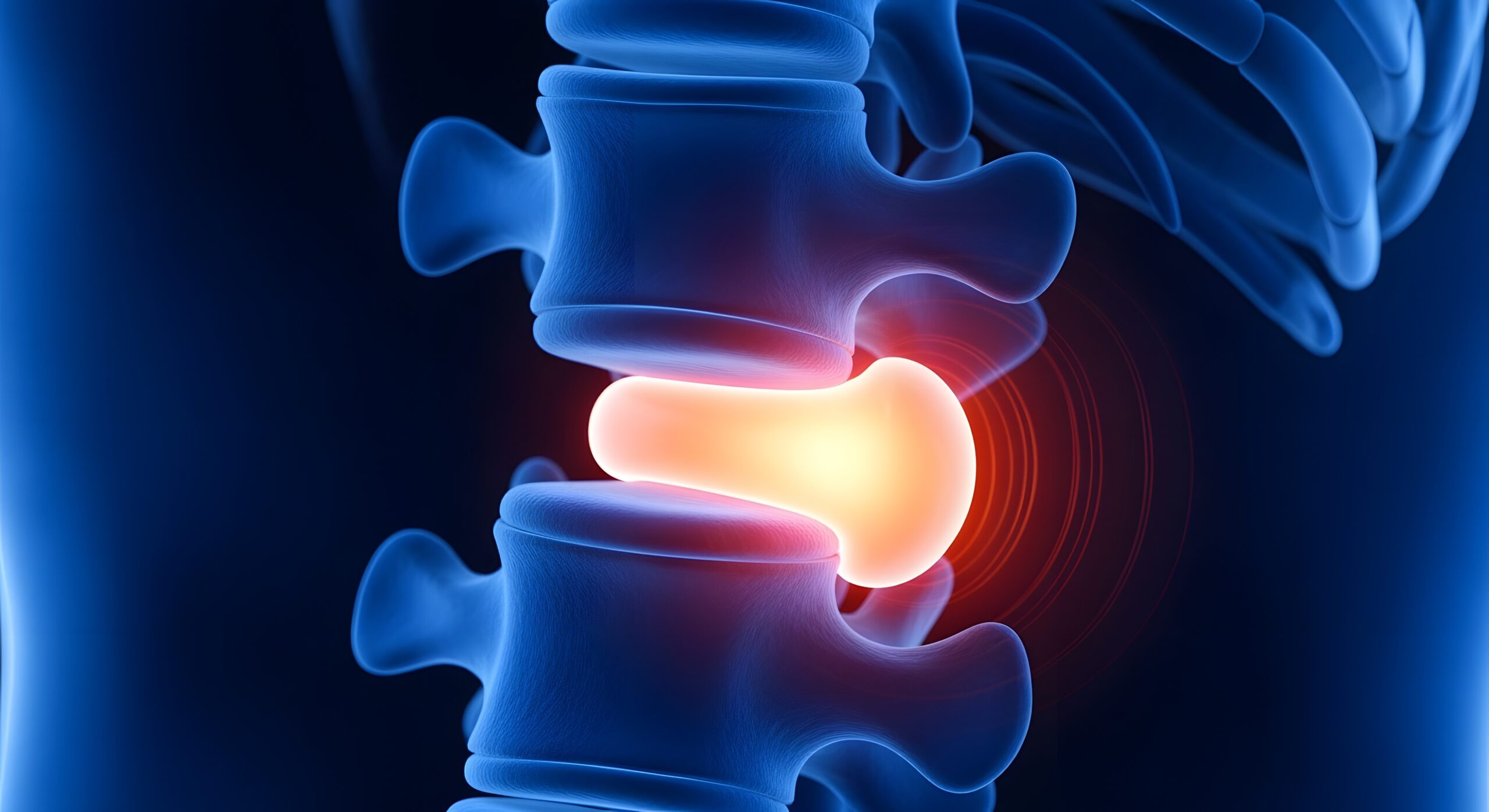
What is discopathy and why can it be so troublesome?
Discopathy, also known as disc herniation, concerns the intervertebral disc that begins to compress nerve structures. This compression is responsible for pain and neurological symptoms. In the article on microdiscectomy, Wilmed describes this procedure as removing compression of a disc fragment on a nerve root, which clearly illustrates the essence of the problem: it is not just \”back pain\” but a specific compressive mechanism causing the patient’s suffering.
From the patient’s perspective, the most important thing is that discopathy symptoms can greatly reduce quality of life. Pain can make walking, sitting, bending, working, sleeping, and resting difficult. Therefore, when conservative treatment does not bring improvement or symptoms worsen, surgical treatment is considered. Wilmed presents such a modern, minimally invasive approach to discopathy surgery.
What are minimally invasive discopathy surgeries?
Several important features of such procedures appear in Wilmed materials. First, these are procedures performed through a small incision or percutaneously. Second, their goal is to remove or reduce the disc element that compresses the nerves and causes pain. Third, modern techniques allow precise action with limited surgical trauma. Wilmed explicitly describes that through a small incision, a specially designed retractor is introduced, enabling minimally invasive access to the spine and removal of the herniated disc fragment.
In older Wilmed materials, there is also a detailed description of minimally invasive disc surgeries performed using radiofrequency electrosurgery. The clinic mentions, among others, percutaneous endoscopic discectomy, implantation of the DISCOGEL® implant, and GelStix™, emphasizing that these procedures are performed under X-ray guidance, do not require extensive skin incisions, and often take place under local anesthesia.

Microdiscectomy – one of the main methods of treating discopathy at Wilmed
In Wilmed\’s current neurosurgery offer, microdiscectomy is clearly featured, and the procedure itself is described separately on the clinic\’s blog. Wilmed presents microdiscectomy as a minimally invasive, effective, and safe method of relieving nerve root compression caused by a disc fragment. The clinic also notes that this surgery significantly improves quality of life, allows a quick return to activity, and usually involves a short hospital stay.
This is very important as it reflects Wilmed\’s approach: without exaggerated promises but emphasizing real improvement in quality of life. Microdiscectomy is not presented here as a “major spine surgery” but as a modern procedure aimed at decompressing the nerve and reducing pain symptoms with minimal intervention.
Discogel – a minimally invasive method of treating discopathy
The second method that Wilmed clearly communicates in its current neurosurgery offer is Discogel. The clinic explicitly lists it as a minimally invasive treatment for discopathy, alongside microdiscectomy. In an older description, Wilmed also explains that DISCOGEL® is a flexible, gel-like nucleus pulposus prosthesis used in treating cervical, thoracic, and lumbar hernias. It is administered percutaneously into the nucleus pulposus, relieving nerve structures and blocking pain formation.
This shows that Wilmed does not limit itself to a single treatment path. The clinic offers both classic minimally invasive neurosurgical procedures like microdiscectomy and less invasive percutaneous discopathy treatments. This allows better therapy customization according to the type of hernia, symptom severity, and the patient\’s overall condition. This conclusion is based on comparing Wilmed\’s current offer with descriptions of specific techniques on the clinic\’s website.
Why do patients seek minimally invasive spine surgeries today?
Until recently, spine surgeries were associated by many with high risk, wide surgical field opening, and a long recovery period. Wilmed clearly addresses this concern, emphasizing that today patients can benefit from modern surgical techniques that are safer and minimally invasive compared to traditional methods. The clinic also notes that treating intervertebral disc disorders no longer requires extensive tissue incisions, general anesthesia, or prolonged convalescence.
For the patient, this means a very concrete benefit: a smaller procedure, less strain on the body, and a chance for a faster return to daily life. This is why minimally invasive discopathy surgeries are such an important direction in the development of modern neurosurgery and spinal orthopedics. This approach fits very well with how Wilmed presents its services.

How are minimally invasive discopathy procedures performed?
Based on Wilmed materials, several common elements can be identified. First, procedures are performed with great precision, often using specialized imaging such as X-ray control. Second, surgical access is limited to a small incision or percutaneous approach. Third, the goal is not extensive intervention but precise access to the site where the disc fragment causes compression and pain. Wilmed describes this very specifically in percutaneous endoscopic discectomy and interventional discopathy treatment.
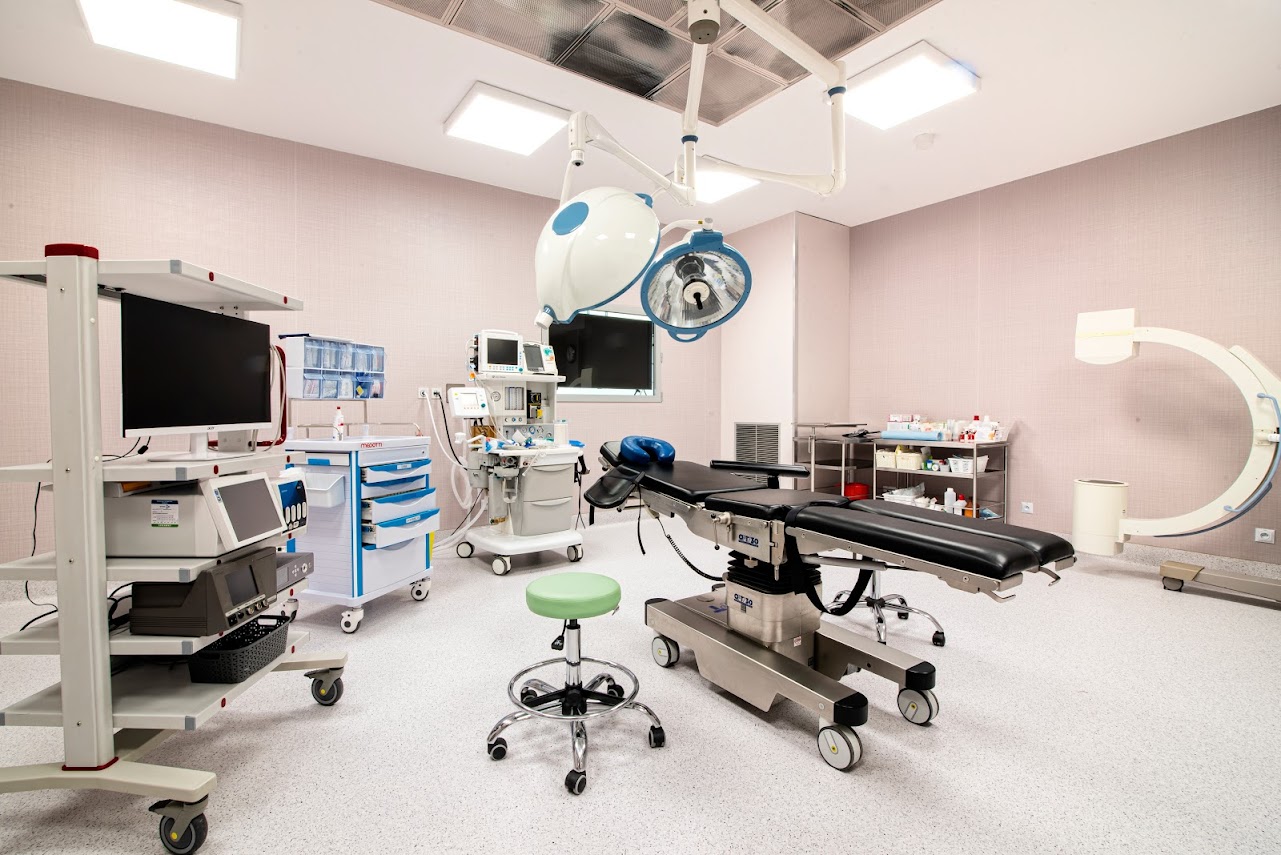
In the case of percutaneous procedures, Wilmed also highlights the possibility of performing the procedure as a one-day surgery. This applies, among others, to DISCOGEL® and GelStix™ in older orthopedic clinic materials. This is important information as it shows that some modern discopathy treatment methods can be even less burdensome than classic surgeries.
What results can be expected?
Wilmed describes microdiscectomy as a procedure that significantly improves quality of life, allows a quicker return to activity, and is usually associated with a short hospital stay. This is a very important message because it focuses on an effect important to the patient: not only the technical removal of the hernia itself but also the reduction of pain and recovery of function.
At the same time, the clinic honestly emphasizes that lasting treatment success also depends on what happens after the procedure. In the summary of the article on microdiscectomy, Wilmed notes that key factors are lifestyle changes, systematic rehabilitation, and elimination of causes that led to spinal overload. This is very valuable as it shows a responsible approach to the topic. The procedure is important but does not replace comprehensive spine care.
Minimally invasive does not mean accidental
Wilmed’s communication clearly shows that \”minimally invasive\” does not mean \”trivial\” or \”simple for everyone.\” The clinic presents modern treatment of discopathy as specialized procedures performed by neurosurgeons and doctors specializing in spine disorders. In the profile of Dr. Łukasz Grabarczyk https://en.wilmed.pl/specjalisci/lukasz-grabarczyk/ Wilmed highlights, among others, surgical treatment of discopathy and degenerative spine disease as well as spinal stabilizations – minimally invasive and open methods.
This is also important for blog copy: it is worth showing that modern treatment does not simplify the problem but better adapts the method to the clinical situation. Minimally invasive is an advantage, but it is backed by specialists’ experience, precise qualification, and appropriate diagnostics. This tone is very consistent with Wilmed’s style.
Who might minimally invasive discopathy surgery be a good solution for?
Based on Wilmed’s content, this is a solution for patients whose problem is pain and symptoms resulting from compression of a disc fragment on a nerve root, and conservative treatment proves insufficient. The clinic also shows that various treatment paths are available: from microdiscectomy to Discogel and other percutaneous methods of intervertebral disc treatment.
So it is not that every patient with back pain immediately requires surgery. It means that in appropriately selected cases, a modern procedure can be applied that effectively reduces nerve structure compression and improves daily functioning. This conclusion arises from the entire structure of Wilmed’s offer regarding discopathy and spine pain treatment.
Minimally invasive discopathy surgeries are modern treatment methods that allow relieving compression caused by a damaged intervertebral disc with less tissue intervention. Wilmed realistically communicates primarily microdiscectomy and the minimally invasive discopathy treatment method – Discogel in this area, and in its materials also describes percutaneous endoscopic discectomy and other minimally invasive disc treatment techniques. The clinic emphasizes minimal invasiveness, short hospitalization, the possibility of a faster return to activity, and the importance of further rehabilitation and lifestyle changes.
The most important aspect here is that modern discopathy treatment at Wilmed is not presented as a single universal operation but as a set of well-chosen methods designed to address the patient’s real problem: pain, nerve compression, and functional limitation. This medical yet understandable style of description best fits your website’s tone.
FAQ – minimally invasive discopathy surgeries
What are minimally invasive discopathy surgeries?
These are modern procedures aimed at reducing compression caused by a damaged intervertebral disc with minimal tissue intervention. Wilmed describes such treatment as less burdensome for the patient and associated with faster recovery than previously used, more extensive surgeries.
What minimally invasive discopathy treatment methods does Wilmed perform?
Wilmed explicitly communicates primarily microdiscectomy and Discogel as minimally invasive discopathy treatment methods. The clinic’s materials also include descriptions of other minimally invasive disc treatment techniques.
What is microdiscectomy?
Wilmed describes microdiscectomy as a minimally invasive, effective, and safe method of removing compression of a disc fragment on a nerve root. The procedure aims to reduce pain and improve the patient’s quality of life.
What is Discogel?
Wilmed identifies Discogel as a minimally invasive discopathy treatment method. In older clinic materials, DISCOGEL® is described as a preparation used in treating intervertebral disc hernias, administered percutaneously into the disc to relieve nerve structures and reduce pain.
Does minimally invasive discopathy surgery mean a major spine operation?
No. Wilmed emphasizes that modern discopathy treatment does not have to involve extensive skin incisions, major surgical trauma, or long recovery. That is why the clinic highlights the minimally invasive nature of these procedures.
What are the advantages of minimally invasive discopathy procedures?
According to Wilmed, the main benefits include less strain on the body, shorter hospitalization, faster return to activity, and less tissue intervention compared to classic surgeries.
How quickly can one return to function after microdiscectomy?
Wilmed states that patients after microdiscectomy often stand on their feet and can return home the next day or within two days after the procedure. The clinic also describes this method as associated with short hospitalization and quick return to activity.
Is minimally invasive discopathy treatment always performed under general anesthesia?
Not always. Wilmed’s materials on minimally invasive disc surgeries indicate that some of these procedures can be performed under local anesthesia.
Does discopathy surgery immediately solve the entire spine problem?
It should not be oversimplified this way. Wilmed emphasizes that although the procedure can significantly improve quality of life, rehabilitation, lifestyle changes, and elimination of overloads that caused spine problems are also very important.
Who might minimally invasive discopathy surgery be a good solution for?
This is a solution for patients whose problem is compression of a disc fragment on a nerve root causing pain and neurological symptoms, and conservative treatment proves insufficient. This is based on the description of microdiscectomy and surgical discopathy treatment on Wilmed’s website.
Does Wilmed perform minimally invasive discopathy surgeries in Warsaw?
Yes. Wilmed offers surgical discopathy treatment in Warsaw within neurosurgery, including microdiscectomy and Discogel.
Who at Wilmed is responsible for surgical discopathy treatment?
In the profile of Dr. Łukasz Grabarczyk https://en.wilmed.pl/specjalisci/lukasz-grabarczyk/ Wilmed highlights, among others, surgical treatment of discopathy and degenerative spine disease as well as spinal stabilizations using minimally invasive and open methods.
Wyróżnienie dla Najlepszej Placówki 2019
Wyróżnienie przyznane przez pacjentów, którzy skorzystali z naszych usług za pośrednictwem platformy tourmedica.pl
Kontakt
Skontaktuj się z nami
Zadzwoń do nas
Adres
ul. Wiktorii Wiedeńskiej 9a lok.U2
02-954 Warszawa - Wilanów
Inspektor danych osobowych
Katarzyna Mączyńska - MBRK
[email protected]
Godziny otwarcia
Od poniedziałku do piątku
w godzinach od 08:00 do 20:00