


Strona główna / Knowledge Base /
Tonsil removal in adults
Tonsillectomy in Adults
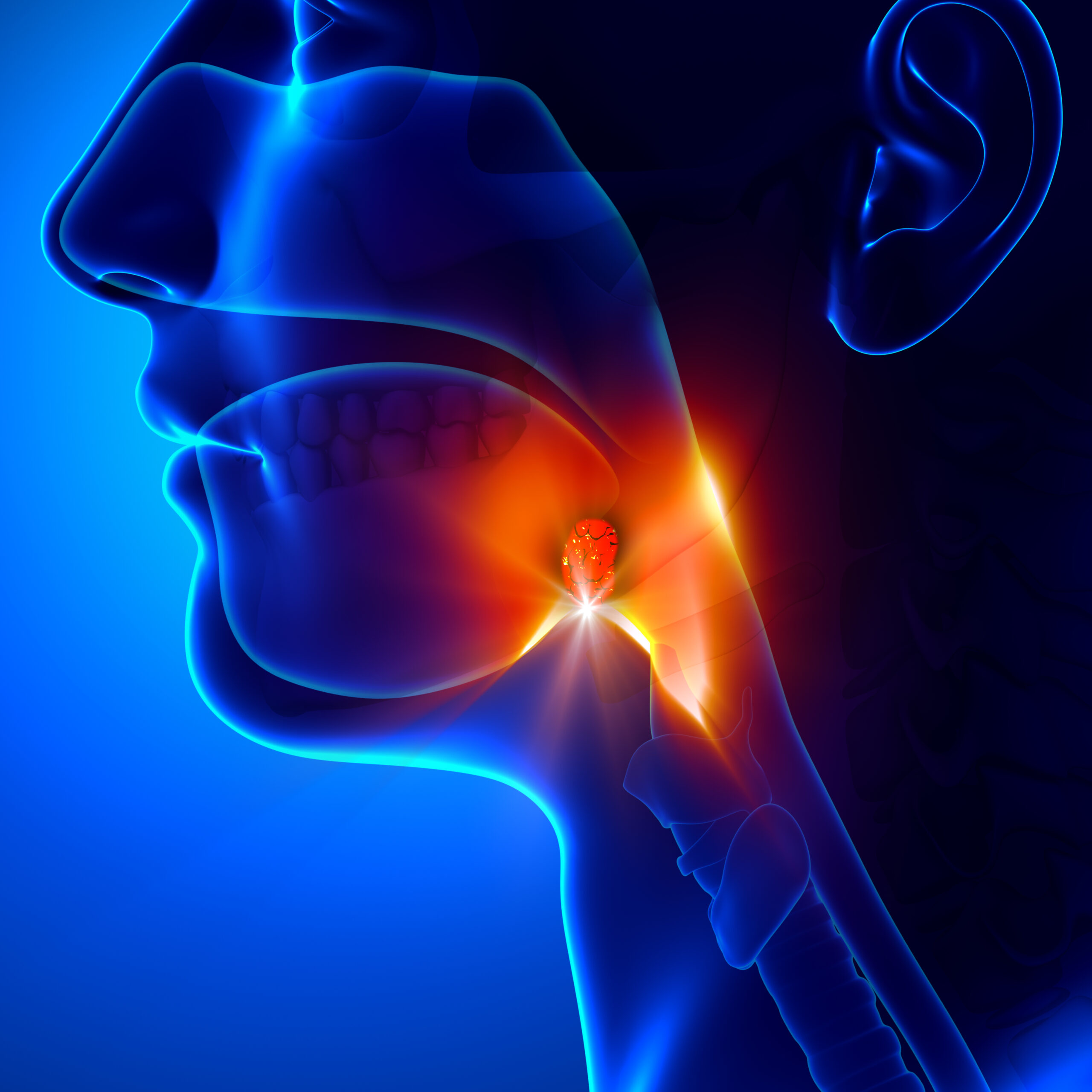
Tonsillectomy in adults is a topic gaining importance in the context of increasingly frequent upper respiratory tract infections, a growing number of patients with chronic inflammatory conditions, and the need to improve the quality of life for those struggling with persistent ailments. The tonsils, commonly referred to as palatine tonsils, play an important role in the immune system, especially during childhood. However, in adults, under certain circumstances, they can become a source of chronic health problems.
It is important to emphasize that the decision to remove the tonsils should never be made hastily – an individual assessment of the patient’s health status, a thorough medical history, and specialized examinations are necessary. Modern medicine offers various surgical techniques aimed at reducing the risk of complications and improving recovery comfort. Nevertheless, as with any surgical intervention, there are potential risks that must be clearly discussed with the patient before the procedure.
The tonsillectomy procedure in adults may differ somewhat from the analogous procedure in children. Adults often have more developed blood vessels in the throat area, which may translate into a slightly higher risk of bleeding. Additionally, comorbidities such as diabetes or hypertension require individualized preparation and monitoring during hospitalization. All these issues are important considerations when planning and performing effective tonsillectomy in adults.
This article presents an overview of the most important information about tonsillectomy in adults. We will discuss the role of the tonsils in the immune system, indications for the procedure, available surgical methods, preoperative preparation, anesthesia, as well as potential complications and the recovery process.
- The Importance of the Tonsils
The palatine tonsils are located at the back of the oral cavity, on both sides of the throat. They are an important part of Waldeyer’s lymphatic ring, which plays a significant role in preventing infections and early pathogen recognition. In children, the tonsils participate in shaping immunity, as the body learns how to respond to bacteria and viruses during the first years of life.
Although the tonsils in adults can still play a role in immune defense, their significance is usually less than in children. However, chronic inflammatory conditions or abnormal anatomical structure can cause the tonsils to become a source of recurrent infections. Bacterial or viral tonsillitis is often heard of, which, if not effectively treated conservatively, can lead to complications. Tonsil hypertrophy can also obstruct breathing and significantly reduce the patient’s quality of life.
While tonsils often spontaneously shrink with age in children, this phenomenon does not usually occur in adults. Moreover, they may enlarge or undergo scarring due to repeated inflammations. This presents a dilemma for patients and doctors: whether and when to decide on tonsillectomy in adults. This decision is usually preceded by a series of tests and consultations, considering the individual health status, frequency of infections, presence of comorbidities, and possible antibiotic reactions.
Understanding the role of the tonsils in the body’s defense mechanisms and the consequences of their hypertrophy is crucial for making an informed decision. Some patients fear the procedure, doubting whether the absence of tonsils will weaken their immunity. In reality, modern studies indicate that adults generally do not experience a significant decline in immunity after the procedure. For many, tonsillectomy in adults becomes the key to freeing themselves from recurrent infections and persistent sore throat.
- Indications for Tonsillectomy in Adults
There are several indications that doctors consider when evaluating tonsillectomy in adults. The most common include:
- Recurrent tonsillitis: if a patient suffers from frequent, repeated throat inflammations accompanied by high fever, sore throat, difficulty swallowing, and frequent work absences, it may indicate that the tonsils no longer play a positive role in the immune system.
- Chronic inflammatory conditions: some individuals develop chronic tonsillitis that does not respond to pharmacological treatment. In such cases, tonsil removal is often the solution to prevent further health complications.
- Enlarged tonsils: excessive tonsil hypertrophy can lead to breathing problems, snoring, and even sleep apnea. This results in reduced sleep quality and increased cardiovascular risk.
- Peritonsillar abscess: if a patient has previously had an abscess near the tonsils, the risk of recurrence increases. To avoid such situations, the doctor may recommend tonsillectomy in adults.
- Suspected tumor: very rarely, changes in the tonsils may be neoplastic. In such cases, tonsil removal is an important diagnostic step allowing histopathological examination.
The decision to qualify a patient for surgery should always be based on a comprehensive analysis and in-depth ENT consultation. The number of infections per year is not the sole criterion – it is crucial whether standard pharmacological treatment brings improvement, whether complications occur, and the patient’s overall well-being. Sometimes, to make a final decision, the doctor may perform additional imaging studies or order a throat culture to detect a specific pathogen.
Before deciding on tonsillectomy in adults, it is important to remember that this is not a routine prophylactic procedure. Although many patients gain significant relief after surgery, it is essential to consider potential healing difficulties in adults and the need to perform the procedure under appropriate anesthetic conditions.
- Preparation for the Procedure
Proper preparation for tonsillectomy in adults is crucial to minimize the risk of complications and facilitate recovery. First, the patient should undergo an ENT examination, which usually includes assessment of the tonsils and inspection of any changes in the oral cavity and throat.
An honest discussion with the doctor about medications taken, especially those affecting blood clotting such as acetylsalicylic acid-containing drugs, is very important. In some cases, discontinuation of anticoagulants before surgery is recommended (under the supervision of the attending physician) to reduce the risk of intraoperative and postoperative bleeding. The patient should also provide information about past illnesses and any drug allergies.
A few days before the planned surgery, attention should be paid to general health condition. If possible, infections should be avoided and proper hydration maintained. Additionally, doctors often recommend laboratory tests such as complete blood count, blood group and Rh factor determination, electrolyte levels, and coagulation studies.
Before the procedure, the patient may be asked to fast for an appropriate period, usually about 6–8 hours. This is related to safety during general anesthesia, minimizing the risk of aspiration of stomach contents. If tonsillectomy in adults is performed under local anesthesia, such a long fasting period is usually not necessary.
Mental preparation is also key. Although tonsillectomy is one of the more commonly performed ENT procedures, the prospect of surgery and anesthesia often causes anxiety. Talking with medical staff, asking questions, and clarifying doubts helps reduce stress and increases the chances of a calm and successful procedure.
- Procedure Course
Tonsillectomy in adults can be performed using several surgical methods, but the most commonly used remains the classic tonsillectomy with surgical instruments. The surgeon uses special forceps and scissors to separate the tonsil tissue from the palatine arches. Then bleeding sites are precisely cauterized, sometimes using electrocoagulation.
Alternative techniques include laser, radiofrequency (so-called coblation), or ultrasonic methods. Their goal is to limit bleeding and reduce thermal tissue injury, often shortening the recovery period. However, the choice of method depends on the surgeon’s experience, available equipment, and the patient’s specific case.
During tonsillectomy in adults, maintaining airway patency and precise bleeding control are essential. Adults may have a more developed vascular network in the throat than children, increasing the challenge for the surgeon. The operation in adults often takes slightly longer. Nevertheless, thanks to advances in anesthesiology and surgery, intraoperative complications are becoming increasingly rare.
During the procedure, the doctor usually places small dressings at the tonsil removal sites or uses electrosurgery to coagulate vessels. Immediately after surgery, the patient is transferred to the recovery room, where they remain under medical staff observation for some time. Blood pressure, pulse, oxygen saturation, and consciousness level are closely monitored. The patient may experience intense sore throat and difficulty swallowing, which are typical symptoms after this type of procedure.
A key element is providing the patient with appropriate conditions for rest and safe awakening from anesthesia. After several hours of observation, if no concerning symptoms occur, the patient may be transferred to a ward or, in the case of a day procedure, discharged home with recommendations.
- Anesthesia
Tonsillectomy in adults can be performed under general anesthesia (narcosis) or local anesthesia, although most patients prefer general anesthesia mainly for psychological comfort and lack of awareness during the procedure. The choice of anesthesia type depends on the patient’s overall health, the extent of the surgical intervention, and potential risk of complications.
General anesthesia requires endotracheal intubation to secure the airway and allow the anesthesiologist to control ventilation. However, general anesthesia itself may carry some risks, including allergic reactions to anesthetics or undesirable blood pressure fluctuations. Local anesthesia, while less taxing on the body, may not provide as high a level of pain and psychological comfort, especially for sensitive individuals.
Before the procedure, the anesthesiologist conducts a detailed interview with the patient, assessing allergies, comorbidities, and medications used. Based on this, the appropriate anesthetics, analgesics, and additional drugs (e.g., antiemetics) are selected. It is also important to inform the patient about potential side effects and the significance of the awakening period.
For many, minimizing stress related to the surgical intervention is a key aspect. During tonsillectomy in adults, doctors make every effort to ensure the patient not only feels no pain but also has no unpleasant memories from the operating room. Choosing the appropriate anesthesia type helps reduce discomfort and increase the sense of safety, contributing to faster recovery and greater treatment satisfaction.
- Recovery
The recovery period after tonsillectomy in adults is usually longer and more demanding than in pediatric patients. Adults may experience more intense sore throat, often radiating to the ears, especially when swallowing. Sometimes stronger painkillers are necessary.
During the first days after surgery, it is recommended to consume cold and soft meals and maintain adequate fluid intake to avoid dehydration. Pureed foods, blended soups, or yogurts may be most comfortable for the patient while providing necessary nutrients. It is also important to avoid hot drinks, spicy seasonings, or hard foods that could irritate the surgical site and cause bleeding.
Many people fear postoperative bleeding. The highest risk occurs within the first 24 hours and between the 5th and 7th day after surgery, when clots and tissue at the incision site detach. The patient should know that small amounts of blood in saliva may appear, but heavy bleeding requires immediate consultation with a doctor.
An important part of recovery is avoiding intense physical exertion, heavy lifting, and excessive bending for at least several days. Return to work is possible when the patient feels well enough to function normally, but usually a rest period of at least two weeks is recommended.
Patients undergoing tonsillectomy in adults should also remember regular follow-up visits with the ENT specialist. This allows early detection of any concerning changes, such as improper wound healing or signs of infection. Proper recovery largely determines the final therapeutic success and quality of life after the procedure.
- Long-Term Benefits
Although the first days and weeks after surgery may be challenging for adult patients, many experience a clear improvement in quality of life in the longer term. For patients with recurrent tonsillar inflammations or frequent anginas, tonsillectomy in adults is often the only way to break the vicious cycle of infections and chronic sore throat.
Besides the cessation of recurrent inflammations, symptoms such as chronic hoarseness, swallowing difficulties, or bad breath related to the presence of purulent plugs in tonsillar crypts also disappear. Some patients notice overall improved well-being and a decrease in the frequency of other upper respiratory infections, although individual differences exist.
Another benefit may be the cessation of snoring related to enlarged tonsils. For those whose snoring and sleep apnea had an anatomical basis, tonsillectomy can bring significant relief not only to themselves but also to their close ones. Improved sleep quality translates into better daytime functioning, higher work efficiency, and improved mood.
Some patients worry that after tonsil removal, their body will be more susceptible to infections. Studies indicate that significant immune impairment usually does not occur because other immune system structures take over the tonsils’ role in adults. However, it is important to remember that any surgical intervention requires a responsible approach to a healthy lifestyle, including proper nutrition, stress avoidance, and regular physical activity.
From a long-term perspective, tonsillectomy in adults is a procedure that in many cases brings significant health benefits and improves quality of life. This does not mean, however, that every patient with recurrent infections must undergo surgery – the decision should always be consulted with a doctor and based on a thorough analysis of benefits and potential risks.
- Potential Complications
Like any surgical procedure, tonsillectomy in adults carries some risk of complications. Although they are rare, it is important to be aware that the following may occur: - Bleeding: the most common complication, with particular attention to early bleeding (within 24 hours after surgery) and late bleeding (5th–7th day). Severe bleeding may require reoperation.
- Infections: the throat area after surgery is exposed to microorganisms, and the wound provides a potential entry point for bacteria. Proper oral hygiene and antibiotic therapy (if prescribed) help reduce this risk.
- Pain and swelling: the throat may be swollen, making swallowing difficult, and pain may radiate to the ears. These symptoms usually subside after a few days, although the period may be longer in adults.
- Healing problems: in a small number of cases, the wound after tonsil removal heals slowly, which may prolong recovery.
- Reactions to anesthesia: may include nausea, vomiting, headaches, or allergic reactions to anesthetic agents.
It is worth emphasizing that most patients do not experience complications, and if they do, timely postoperative monitoring allows the doctor to respond promptly. It is therefore essential to follow postoperative recommendations and maintain contact with the medical facility. If severe bleeding, fever, intense pain, or concerning throat discharge occurs, immediate consultation with an ENT specialist is necessary.
Knowing the risks helps make an informed decision about surgery. During qualification, the doctor explains both benefits and possible side effects to the patient. This provides a full picture of the situation, promoting better psychological preparation and motivation to adhere to recovery protocols.
- Frequently Asked Questions
Patients considering tonsillectomy in adults often ask similar questions. Below are some of them with concise, professional answers: - Will I be more susceptible to infections after the procedure?
Usually, there is no significant decrease in immunity. Other components of the immune system take over the tonsils’ function. - How long does the procedure take?
It depends on the method and individual anatomical conditions. On average, 30–60 minutes, but anesthesia and awakening time should also be considered. - Is the procedure painful?
The procedure itself is performed under anesthesia, so the patient does not feel pain. Postoperative sore throat is common but can be managed with painkillers. - When can I return to normal activities?
Rest for about 2 weeks is usually recommended. For more intense physical activity or sports, this period may be longer. - Can the pharyngeal tonsil be removed simultaneously?
In adults, the pharyngeal tonsil (so-called third tonsil) is rarely enlarged enough to warrant removal. The decision depends on the ENT specialist’s opinion and imaging results.
These questions and answers do not cover the entire spectrum of patient concerns but highlight the most frequently raised issues. Each case may be different, so individual consultation is always advisable.
- The Role of Traditional Medicine and Modern Techniques
Currently, tonsillectomy in adults can be performed using both classical and modern surgical methods. Traditional tonsillectomy, based on scalpel, forceps, and electrocoagulation, remains widely used due to its high effectiveness and relatively low equipment costs.
On the other hand, methods using laser or radiofrequency waves (coblation) attract patients with promises of reduced postoperative pain and shorter recovery. Although they do not always offer a significant advantage over the classical method, in certain situations – especially in patients with specific health problems – they may be more beneficial. The choice of technique also considers the surgeon’s experience with the method, as proficiency with specific equipment can affect the quality and speed of the procedure.
Regardless of the chosen method, proper hygiene of the surgical field and sterile conditions are key elements that reduce the risk of infectious complications. In daily ENT practice, comparing the pros and cons of various techniques is based on scientific data, equipment availability, and patient and operator preferences.
Many patients seek additional, unconventional solutions hoping to avoid the scalpel. In cases of chronically altered, enlarged tonsils, conservative methods are usually insufficient, and effective pharmacological treatment often provides only temporary relief. Therefore, doctors strongly recommend thorough diagnostics and considering surgery at the appropriate time before further health complications arise.
Such an approach, combining the achievements of traditional medicine with modern technology, allows finding the optimal solution. As a result, tonsillectomy in adults is becoming an increasingly safe, effective procedure adaptable to individual patient needs.
- The Role of the ENT Specialist
The ENT specialist (otorhinolaryngologist) plays a key role in diagnosing and treating tonsil diseases. They perform clinical examinations, order additional tests if necessary, and decide whether the patient qualifies for tonsillectomy in adults. In adult patients who often have comorbidities, the ENT specialist may collaborate with other specialists (cardiologist, diabetologist, allergist) to establish the safest conditions for surgery.
During the office visit, the patient should receive comprehensive information about the procedure, possible methods, and potential complications. The ENT specialist not only diagnoses the tonsils and throat area but also assesses the patient’s overall suitability for surgery under general or local anesthesia. Jointly establishing the treatment plan helps the patient feel more involved in the process, which in turn leads to better cooperation and outcomes.
On the day of surgery, the ENT specialist works with the anesthesiology team to ensure optimal anesthesia and patient safety. After the operation, they also supervise the initial recovery phase, checking that healing proceeds properly and the patient reports no concerning symptoms.
In the following weeks, the ENT specialist remains the person the patient can contact with postoperative questions and problems. Follow-up visits allow early detection of possible complications and prompt treatment. Thus, the ENT specialist’s role extends beyond performing the surgery – it is comprehensive care covering diagnostics, qualification, follow-up, and prevention of further health issues.
- Prevention of Tonsil Diseases
Although tonsillectomy in adults is unavoidable in many cases, there are ways to reduce the risk of recurrent infections and chronic inflammation. Prevention should primarily include:
- A healthy diet: adequate intake of vitamins, minerals, and protein helps maintain a well-functioning immune system.
- Avoiding tobacco smoke: smoking or passive inhalation adversely affects the throat mucosa, promoting infections and chronic inflammation.
- Regular oral hygiene: brushing teeth, using mouth rinses, and removing dental plaque are basic elements of throat disease prevention. Food residues and bacteria can accumulate in tonsillar crypts, causing inflammation.
- Hydration: drinking sufficient fluids, especially during periods of increased infection exposure (winter, early spring, transitional seasons).
- Avoiding extreme temperatures: excessively cold drinks or drafts can sometimes weaken local throat immunity.
- Medical consultations: early medical intervention is advisable in recurrent inflammations. Self-treatment or prolonged antibiotic therapy without medical supervision may lead to complications and bacterial resistance.
Responsible prevention may not always be enough to avoid tonsil problems, especially if the patient has congenital predispositions to tonsil hypertrophy or a weaker immune system. However, a combination of small preventive actions can reduce infection frequency and delay the need for tonsillectomy in adults. In case of doubts, it is always worth consulting a doctor who can perform an examination and suggest further steps.
- Psychological and Emotional Aspects
Although medical articles often use scientific and formal language, it is important to also consider the emotional dimension of the decision to undergo tonsillectomy in adults. Surgery is a source of stress, uncertainty, and fear of pain for many. For patients struggling with recurrent infections and poor well-being, the operation can be a source of hope for improved quality of life.
In the period preceding the procedure, seeking support from loved ones to openly discuss concerns is advisable. Some patients may benefit from consultation with a psychologist or therapist, especially if they have had negative experiences with healthcare. Mental support is important for recovery, as a positive attitude and sense of control translate into better cooperation with medical staff.
After the procedure, some patients may feel down due to pain, dietary restrictions, or inability to resume normal activities. Support from family and friends is invaluable at this time. It is also worth remembering small but important aspects – favorite TV shows, books, or music can help alleviate emotional tension and physical discomfort.
From a psychological perspective, it is clear that tonsillectomy in adults is not only a medical but also an emotional issue. Each patient copes differently with anxiety, pain, and the need to adapt to changed living conditions for several weeks. Hence, a holistic approach to the patient and good communication with the medical team are essential to minimize fears and misunderstandings, thereby improving care quality and prognosis.
- Summary and Outlook
Tonsillectomy in adults is a procedure that can bring significant improvement in daily functioning for those suffering from recurrent infections, chronic sore throat, or breathing problems caused by enlarged tonsils. Although the procedure carries some risk of complications, modern medicine offers various methods enabling safe and effective surgery.
A key factor determining success is professional diagnostics and close cooperation between the patient and the ENT specialist. The choice between general and local anesthesia, and between classical surgical methods or laser techniques, depends on factors such as the patient’s health, extent of anatomical changes, and surgeon’s experience. Careful recovery, including proper diet, avoiding physical exertion, and regular follow-up visits, plays an important role after surgery.
From a long-term perspective, patients who undergo tonsillectomy in adults usually experience a significant improvement in quality of life: recurrent infections cease, the risk of peritonsillar abscesses decreases, and in some patients, snoring also subsides. At the same time, significant immune system dysfunction usually does not occur, making this procedure safe in most cases.
In the future, we can expect further development of surgical techniques that will be even more precise, minimally invasive, and contribute to shortening the recovery period. Advances in regenerative medicine may potentially bring methods for rebuilding or modifying tonsil tissue, although these remain research prospects for now.
Wyróżnienie dla Najlepszej Placówki 2019
Wyróżnienie przyznane przez pacjentów, którzy skorzystali z naszych usług za pośrednictwem platformy tourmedica.pl
Kontakt
Skontaktuj się z nami
Zadzwoń do nas
Adres
ul. Wiktorii Wiedeńskiej 9a lok.U2
02-954 Warszawa - Wilanów
Inspektor danych osobowych
Katarzyna Mączyńska - MBRK
[email protected]
Godziny otwarcia
Od poniedziałku do piątku
w godzinach od 08:00 do 20:00