



Strona główna / Knowledge Base /
Vasectomy: Common Questions and Concerns Before the Procedure
Vasectomy: Common Questions and Concerns Before the Procedure
Vasectomy is one of the most effective methods of permanent contraception for men. Despite the growing popularity of this procedure, it still raises many questions about safety, its impact on sex life, the possibility of having children in the future, and the recovery process. Men considering a vasectomy also often wonder whether the procedure is painful, when it becomes effective, and whether its effects really last a lifetime.
Modern urology allows vasectomies to be performed on an outpatient basis, usually under local anaesthesia. The procedure itself is relatively brief, and most patients can return home the same day.
At Wilmed Clinic in Warsaw, vasectomies are performed by urology specialists. Before making a decision, however, it is worth understanding both the benefits and the limitations of this method of contraception.
What Exactly Is a Vasectomy and How Does It Work?
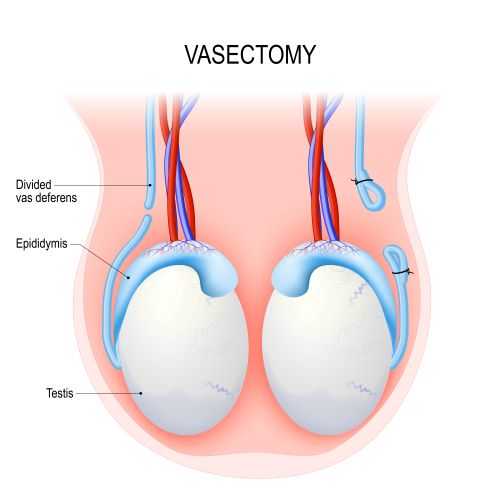
A vasectomy involves surgically blocking both sperm ducts (vasa deferentia), the tubes that carry sperm from the epididymides to the rest of the reproductive tract.
During the procedure, the doctor accesses the sperm ducts, then cuts them and secures their ends to reduce the risk of reconnection. Depending on the technique used, methods may include ligation, coagulation, or separation of the cut ends.
Once a vasectomy has been properly performed and its effectiveness confirmed by semen analysis, sperm do not enter the ejaculate in numbers sufficient for fertilisation.
The testicles still produce sperm, but the body gradually breaks them down and absorbs them. This is a natural process that does not lead to a dangerous build-up of sperm.
A vasectomy does not involve removing the testicles, does not suppress testosterone production, and is not a form of castration. Its sole purpose is to block the transport of sperm.
Is a Vasectomy Permanent?
Yes. A vasectomy should be considered a permanent method of contraception.
Although modern microsurgery makes it possible to attempt to reconnect the sperm ducts in some cases, this does not mean that fertility can always be restored.
A vasectomy reversal, also known as a vasovasostomy, is significantly more complex than the original procedure. Its success depends, among other things, on how much time has passed since the vasectomy, the condition of the reproductive system, and other factors affecting the couple’s fertility.
For this reason, the decision to have a vasectomy should be made with the understanding that it may permanently eliminate the possibility of natural conception.
Men who are unsure about their plans for parenthood should discuss the available contraceptive alternatives in detail before the procedure. They may also consider preserving sperm beforehand through cryopreservation, bearing in mind that using frozen sperm later may require assisted reproductive techniques.
Does a Vasectomy Hurt?
Fear of pain is one of the most commonly reported reasons for postponing the decision to undergo the procedure.
A vasectomy is usually performed under local anaesthesia, which reduces the sensation of pain during the procedure. The patient may feel a brief sting when the anaesthetic is administered, followed by sensations of touch, pressure, or pulling on the tissues.
At Wilmed Clinic, additional intravenous anaesthesia or sedation is also an option, subject to medical assessment and individual arrangements.
Once the anaesthetic wears off, the following may occur:
- scrotal tenderness;
- mild swelling;
- a pulling sensation in the groin;
- temporary pain at the procedure site;
- minor bruising of the skin.
Symptoms usually subside gradually within a few days, although tenderness may last longer.
During recovery, painkillers should be taken as directed by the doctor. Well-fitting underwear that provides adequate support for the scrotum may also help.

What Happens During a Vasectomy, Step by Step?
For many patients, the most important thing is knowing what to expect when they arrive at the clinic.
Urological Assessment
The first step is a consultation with a specialist. The doctor takes a medical history, assesses the patient’s health, and explains the procedure. Particular emphasis is placed on explaining the permanent nature of vasectomy and the need for follow-up tests after surgery.
Preparing the Surgical Site
Immediately before the procedure, the scrotal area is properly prepared and disinfected. Anaesthesia is then administered.
Accessing the Sperm Ducts
The doctor makes a small incision or creates an opening by separating the scrotal skin, depending on the method used. This allows the sperm ducts to be exposed and isolated.
Cutting and Sealing the Sperm Ducts
Both sperm ducts are cut and sealed. The method used to secure the ends depends on the chosen surgical technique.
Completing the Procedure and Observation
Once the procedure is complete, the surgeon ensures that the surgical site is properly protected, and the patient receives instructions for care at home.
At Wilmed Clinic, the procedure itself usually takes around 30 minutes. If there are no medical contraindications, the patient can leave the clinic the same day.

FAQ – Vasectomy
Does a Vasectomy Affect Testosterone Levels and Male Sex Hormones?
There is no evidence that a properly performed vasectomy causes a significant reduction in testosterone levels.
This hormone is produced primarily by Leydig cells in the testicles. Cutting the sperm ducts does not involve damaging the mechanism responsible for its production.
A vasectomy should therefore not cause changes associated with testosterone deficiency, such as the loss of male sex characteristics or a reduction in muscle mass resulting from decreased hormone production.
There is also no basis for considering vasectomy a cause of changes in voice, facial hair, or body shape.
If symptoms suggesting a hormonal disorder occur after the procedure, they need to be investigated separately rather than automatically attributed to the surgery.
Can You Have Sex Normally After a Vasectomy?
Yes. A vasectomy should not impair erections, the ability to reach orgasm, or sexual desire.
The procedure involves the sperm ducts, rather than the structures responsible for erections. It also does not directly interfere with the nervous system responsible for experiencing sexual pleasure.
After recovery, most men return to their previous sexual activity.
However, it is important to distinguish between being able to have sex and contraceptive effectiveness. Even if the patient no longer experiences postoperative discomfort, this does not mean that his semen is free of sperm.
Additional contraception must be used until the effectiveness of the vasectomy has been confirmed by an appropriate semen analysis.
Is Ejaculation Normal After a Vasectomy?
Yes. After the procedure, a man continues to produce seminal fluid and ejaculate.
Sperm make up only a small proportion of the volume of the ejaculate. Most of the fluid comes from the seminal vesicles and the prostate gland.
A vasectomy does not stop these glands from working, so the volume, appearance, and consistency of semen usually do not change noticeably.
The sensation of orgasm also remains largely unchanged.
In practice, this means that a partner cannot tell whether a man has had a vasectomy from the appearance of the ejaculate. The effectiveness of the procedure can only be confirmed by an appropriate laboratory test.
How Long Does It Take for a Vasectomy to Become Effective?
This is one of the most important questions to ask before the procedure.
A vasectomy does not provide immediate protection against pregnancy.
Immediately after surgery, sperm may still be present further along the ducts that carry semen. They are gradually cleared through subsequent ejaculations.
For this reason, having sex without additional contraception immediately after the procedure carries a risk of an unplanned pregnancy.
In most patients, the effectiveness of the procedure can be assessed after approximately 8 to 12 weeks, but the time needed to clear sperm from the semen varies from person to person.
It should not be assumed that a certain number of ejaculations automatically means this process is complete.
The only reliable confirmation of effectiveness is a properly performed post-vasectomy semen analysis, with the result assessed by a doctor.
Why Is a Semen Analysis Needed After a Vasectomy?
A follow-up semen test, also known as PVSA (post-vasectomy semen analysis), checks whether the procedure has effectively restricted sperm transport.
Current American Urological Association guidelines allow the first test to be performed no earlier than eight weeks after a vasectomy. In practice, the timing is determined individually, often at around three months after surgery.
The result may confirm a complete absence of sperm, known as azoospermia. In some cases, the presence of a small number of non-motile sperm may also be considered to meet the criteria for the procedure’s effectiveness, but this requires assessment according to the relevant laboratory and clinical standards.
If motile sperm are still present in the semen, further follow-up tests may be needed.
You must not assume that a vasectomy has been effective based solely on the time that has passed, the absence of symptoms, or how many times you have had intercourse.
Additional contraception must be continued until the doctor explicitly confirms that it is no longer needed.
How Long Does It Take to Recover from a Vasectomy?
Vasectomy is a minimally invasive procedure, but the tissues still need time to heal properly.
Rest and limited physical exertion are recommended immediately after surgery. During the first few days, it is advisable to avoid activities that cause pressure, stretching, or irritation in the scrotal area.
Many patients can return to light office work within 1 to 2 days. Manual work and more strenuous activity may require a longer break.
For about a week, it is usually recommended to limit heavy lifting, running, cycling, and strength training.
Sexual activity can be resumed after the period specified by the doctor, usually a few days to around a week, provided the wound is healing properly and there is no discomfort.
Following the instructions for hygiene and care of the surgical site is also important.
The return to strenuous activity should not be rushed simply because the pain has subsided. The precise recommendations depend on the course of the operation and the individual’s healing process.
Can You Work Out at the Gym and Play Sports After a Vasectomy?
A vasectomy does not permanently limit physical activity, but a break is necessary during the initial period after surgery.
Exercises that increase pressure inside the abdomen, heavy lifting, running, or vigorous movements can worsen pain and increase the risk of bleeding and swelling in the scrotal area.
For this reason, strenuous sports often need to be limited for around 1 to 2 weeks, depending on the surgeon’s instructions.
It is best to return to regular training gradually, paying attention to how the body responds.
If pain, swelling, or a pulling sensation occurs during exercise, stop the activity and consult a doctor about the next steps.
The same applies to swimming pools, saunas, and hot baths. These activities should only be resumed once the surgical site has healed sufficiently and in accordance with the instructions provided.
Is a Vasectomy Safe, and What Complications Can Occur?
Vasectomy is considered a safe procedure, and serious complications are rare. However, this does not mean that the procedure is entirely without risk.
Possible symptoms and complications include:
- a scrotal haematoma;
- temporary swelling and bruising;
- wound infection;
- local inflammation;
- a sperm granuloma, a small lump that forms in response to sperm leaking from a cut sperm duct;
- prolonged scrotal pain;
- rare cases of the sperm ducts reopening.
Post-vasectomy pain syndrome (PVPS) is a chronic pain condition that requires particular attention. It involves persistent scrotal pain that can affect everyday activities.
According to the 2026 AUA guidelines, chronic pain that affects quality of life is reported by approximately 1% to 2% of patients after a vasectomy.
If fever, increasing swelling, severe pain, a discharge of pus, or an enlarging haematoma develops after surgery, contact a doctor urgently.
Before the procedure, the specialist should discuss possible complications with the patient and explain what to do if they occur.
Can a Vasectomy Fail?
No contraceptive method provides absolute, 100% protection against pregnancy. However, vasectomy has a very high effectiveness rate of over 99%.
Failure can occur for several reasons. One is that a sperm duct remains open despite the procedure. Another is that its cut ends reconnect, a process known as recanalisation.
There is also a risk of pregnancy if the patient stops using additional contraception too soon.
This is why follow-up semen analysis is an essential part of properly managed care.
Even after a result confirming the effectiveness of the vasectomy, a very small risk of late failure remains.
If the procedure is suspected to have failed, the doctor may recommend repeat testing and further management.
Does a Vasectomy Protect Against Sexually Transmitted Diseases?
No. A vasectomy is intended to prevent pregnancy and does not protect against sexually transmitted infections.
It does not protect against HIV, HPV, chlamydia, gonorrhoea, or syphilis, among other infections.
The sperm ducts are not responsible for transmitting most of the microorganisms that cause these infections, so cutting them does not remove the risk of transmission.
In situations where there is a risk of contracting a sexually transmitted infection, condom use and appropriate preventive healthcare remain important.
Is a Vasectomy Suitable for Every Man?
Not every man should make the decision to have a vasectomy at the same point in life.
The most important consideration is informed acceptance of the procedure’s permanent nature.
Vasectomy may be a suitable contraceptive option for men who have completed their families or are certain that they do not want biological children in the future.
However, it is not the best choice for someone who thinks they may change their mind in a few years and expects fertility to be easily restored.
Postponing the procedure may also be advisable if there is an active infection in the area to be operated on or other health problems that increase the risk of complications.
Decisions influenced by strong pressure from others, a temporary personal crisis, or uncertainty about future parenthood require particularly careful discussion.
Final suitability is assessed during a urological consultation, taking into account the patient’s health and informed decision.
How Should You Prepare for a Pre-Vasectomy Consultation?
A thorough consultation helps address concerns and prepare for the procedure.
Before the appointment, it is helpful to gather information about current medications, chronic conditions, allergies, and any previous surgery involving the scrotum or groin.
It is particularly important to report any medicines that affect blood clotting. These should not be stopped without medical advice.
The doctor may also ask about previous genital infections, chronic testicular pain, and other urological problems.
During the consultation, the patient should receive information about the proposed surgical technique, the type of anaesthesia, possible complications, and planned follow-up semen testing.
It is also helpful to discuss work and sports commitments so that the recovery period can be planned appropriately.
How Much Does a Vasectomy Cost in Warsaw?
The price of a vasectomy may depend on the clinic, the method used, the type of anaesthesia, and the services included in the quote.
According to Wilmed Clinic’s published price list, a vasectomy costs PLN 2,500.
The final amount should be confirmed during the preoperative assessment. Additional intravenous anaesthesia or sedation may be charged separately.
When comparing different clinics, it is worth considering not only the price but also the surgeon’s experience, how suitability is assessed, the availability of postoperative care, and the arrangements for checking the procedure’s effectiveness.

Wyróżnienie dla Najlepszej Placówki 2019
Wyróżnienie przyznane przez pacjentów, którzy skorzystali z naszych usług za pośrednictwem platformy tourmedica.pl
Kontakt
Skontaktuj się z nami
Zadzwoń do nas
Adres
ul. Wiktorii Wiedeńskiej 9a lok.U2
02-954 Warszawa - Wilanów
Inspektor danych osobowych
Katarzyna Mączyńska - MBRK
[email protected]
Godziny otwarcia
Od poniedziałku do piątku
w godzinach od 08:00 do 20:00