



Strona główna / Knowledge Base /
Laparoscopic varicocele surgery
Laparoscopic Varicocele Surgery: Procedure, Indications, and Recovery
Varicoceles are among the most commonly diagnosed vascular abnormalities of the male reproductive system. Although they do not cause noticeable symptoms in many men, they can lead to a feeling of heaviness in the scrotum, chronic discomfort, and a deterioration in semen parameters. In certain cases, surgery is indicated to reduce abnormal blood flow through the dilated veins.
One of the available treatment methods is laparoscopic varicocele surgery, which uses a camera and specialised instruments inserted through small incisions in the abdominal wall. This technique allows the procedure to be performed without the need for a large surgical incision.
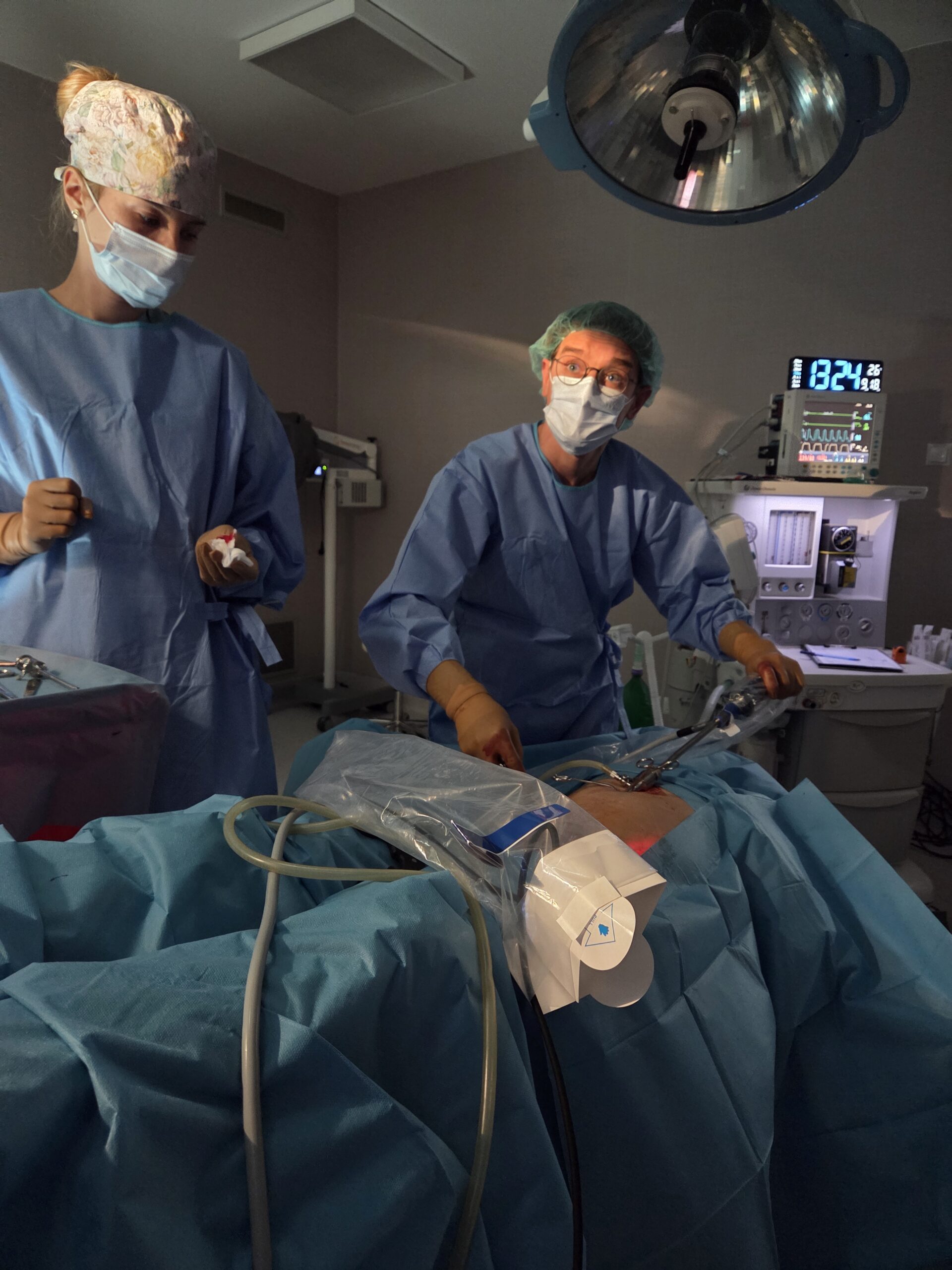
At Wilmed Hospital in Warsaw, varicocele surgery is performed laparoscopically. Suitability for the procedure is determined following a urological consultation and a review of test results.
What Are Varicoceles, and Why Do They Develop?
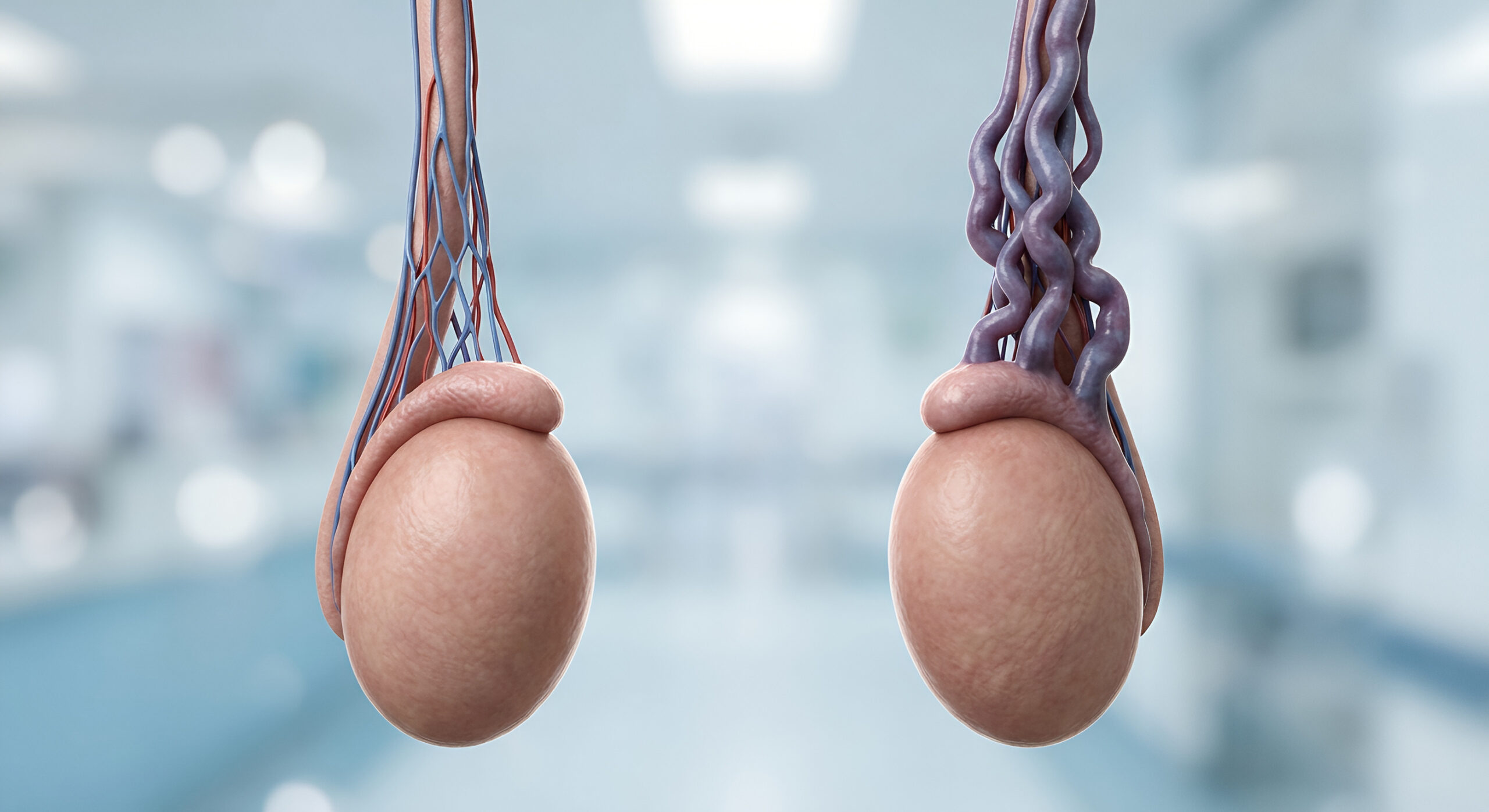
A varicocele is an abnormal enlargement of the veins in the spermatic cord that form the pampiniform plexus. This is a network of veins responsible for draining blood from the testicle.
Proper functioning of these vessels is important for maintaining an appropriate temperature in the testicles and suitable conditions for sperm production. When blood drainage is impaired, the veins dilate and blood may pool within the venous plexus.
These abnormalities most commonly occur on the left side of the scrotum. This is mainly due to anatomical differences in the course and drainage of the testicular veins. Varicoceles may also occur on the right side or on both sides.
Factors that contribute to their development include venous valve insufficiency, increased pressure in the venous system, and individual anatomical variations.
Varicoceles occur in approximately 15% of men. Their presence does not automatically mean infertility or the need for surgery. The key considerations are symptoms, test results, and the patient’s individual health circumstances.
What Symptoms May Indicate a Varicocele?
In many men, varicoceles develop without symptoms. They are sometimes discovered incidentally during a urological consultation or investigations into difficulties conceiving.
If symptoms occur, they may include:
- a feeling of heaviness or pulling in the scrotum;
- a dull, recurrent ache around the testicle;
- increased discomfort after prolonged standing or physical exertion;
- enlarged veins that are visible or can be felt;
- a feeling of fullness in the scrotum;
- a reduction in testicular volume on the affected side;
- abnormal semen analysis results.
A characteristic feature is that discomfort may worsen towards the end of the day but ease after lying down to rest.
Remember that testicular pain is not always associated with a varicocele. Similar symptoms can occur with inflammation, a hydrocele, an inguinal hernia, and other conditions that require different treatment. Sudden, severe testicular pain requires urgent medical assessment, as it may indicate testicular torsion.
How Are Varicoceles Diagnosed?
Diagnosis is based on a urological consultation that includes a medical history and a physical examination. The doctor examines the scrotum and testicles, including while the patient is standing, and, if necessary, performs an examination during the Valsalva manoeuvre, which involves increasing pressure within the abdomen.
The diagnostic assessment may be supplemented by a scrotal ultrasound with Doppler assessment of blood flow. This examination allows the doctor to assess the diameter of the veins, the direction of blood flow, and the size and structure of the testicles.
For men reporting fertility difficulties, a semen analysis, also known as a spermiogram, is also important. It assesses factors including sperm count, motility, and morphology.
An abnormal semen analysis result usually needs to be confirmed by a repeat test, as semen parameters can vary due to many factors.
The finding of dilated veins on ultrasound alone, without a varicocele that can be felt during a clinical examination, is usually not a sufficient indication for surgery to treat infertility.
When Is Laparoscopic Varicocele Surgery Indicated?
Not every patient diagnosed with a varicocele requires surgery. If the varicoceles are small, do not cause symptoms, and do not affect semen parameters, monitoring by a urologist may be an option.
The main situations in which surgery may be considered are:
Chronic Pain
If the varicoceles cause persistent pain or a feeling of heaviness in the scrotum, and conservative management does not provide the expected improvement, the urologist may suggest surgical treatment. Other potential causes of pain should be ruled out before the operation.
Fertility Problems
An important indication is the coexistence of a clinically diagnosed varicocele, abnormal semen parameters, and difficulty conceiving. The assessment of suitability for surgery should also take into account the results of the female partner’s fertility assessment and how long the couple has been trying to conceive.
Abnormal Testicular Development
In younger patients, a persistent difference in testicular volume, confirmed by follow-up examinations, may be significant. This requires individual assessment, particularly during puberty.
Other Individual Indications
In selected cases, the urologist may also consider surgery when additional disorders affecting testicular function are present. However, the decision requires an assessment of the expected benefits and risks of the procedure.
What Does Laparoscopic Varicocele Surgery Involve?
Laparoscopic varicocelectomy is a procedure that involves closing off the poorly functioning veins responsible for the formation of varicoceles.
The operation is usually performed under general anaesthesia. This means that the patient remains unconscious and does not feel pain during the procedure.
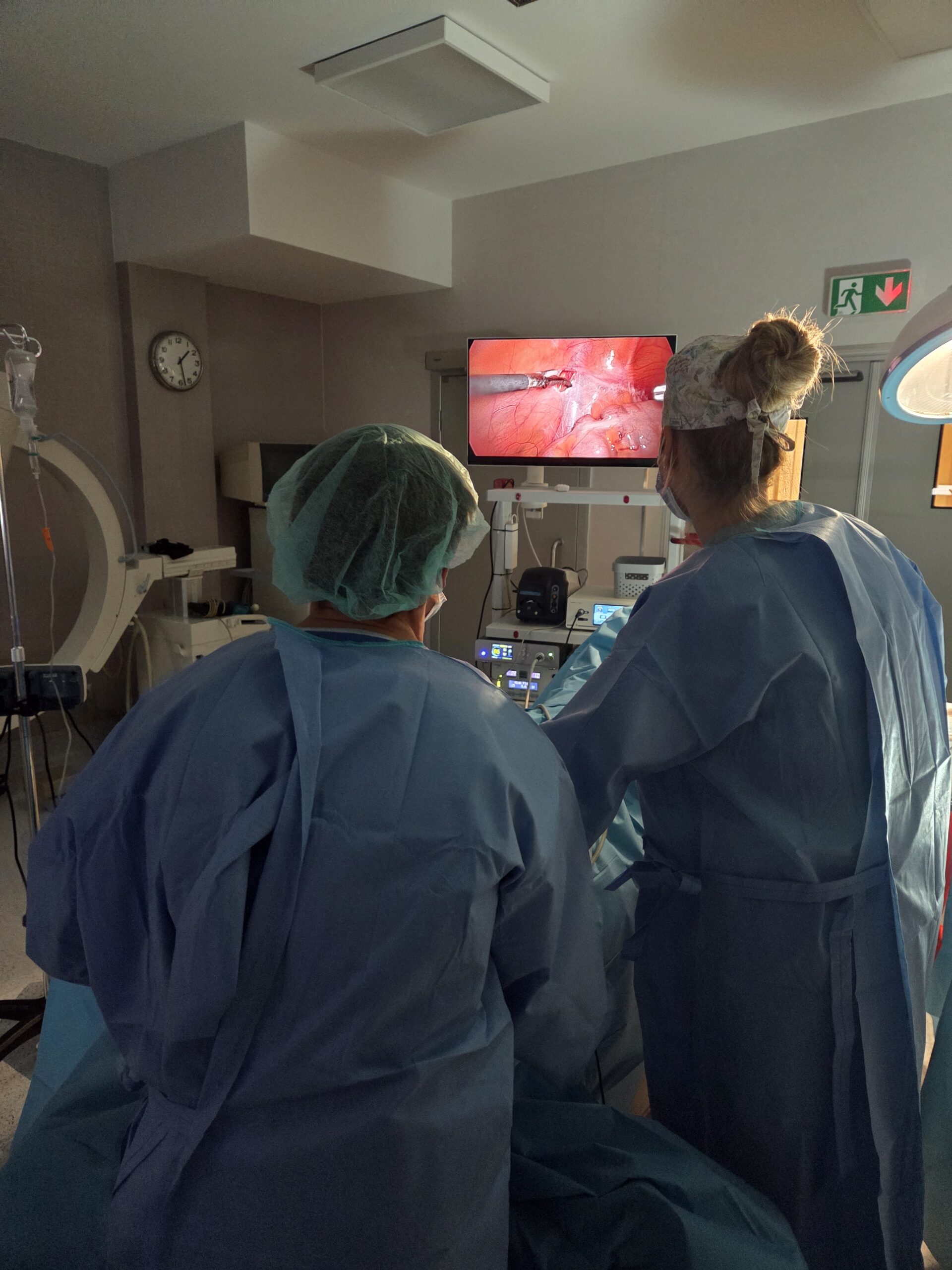
The surgeon usually makes three small incisions in the abdominal wall. A laparoscope fitted with a camera is inserted through one incision, while the others are used to introduce surgical instruments.
Images from the camera are displayed on a monitor, allowing the surgeon to view the anatomical structures and perform each step precisely.
After gaining access to the relevant vessels, the surgeon identifies the veins that need to be closed off. Depending on the technique used, special clips or other methods are used to tie off the veins and prevent abnormal blood flow through them.
During surgery, it is important to protect the structures responsible for maintaining a normal blood supply to the testicle and, where possible, the lymphatic vessels.
Closing off the affected veins allows blood to drain through the remaining vessels that are functioning normally.
At Wilmed, the procedure takes approximately 45 to 60 minutes. The actual duration may depend on factors such as the patient’s anatomy and whether varicoceles on one or both sides are being treated.
What Are the Benefits of the Laparoscopic Approach?
One of the main features of laparoscopy is that surgery can be performed through small incisions, without the need for a large opening in the abdominal wall.
Potential benefits of this technique include smaller surgical wounds, reduced tissue trauma associated with surgical access, a clear view of the surgical field, and the possibility of getting the patient moving again relatively soon after the procedure.
The laparoscopic approach also allows varicoceles on both sides to be treated during a single procedure when bilateral treatment is indicated.
However, laparoscopic varicocele surgery is not the only available technique. Other options include microsurgical procedures performed through an inguinal or subinguinal approach, as well as endovascular techniques.
According to current evidence, microsurgical techniques may be associated with a lower risk of recurrence and certain complications. The choice of technique should therefore take into account the patient’s clinical situation, the advantages and limitations of each option, and the surgeon’s experience.

How Should You Prepare for Laparoscopic Varicocele Surgery?
Proper preparation for surgery begins with a urological assessment. The doctor reviews the reported symptoms, previous test results, coexisting medical conditions, and current medications.
Depending on the circumstances, a full blood count, blood clotting tests, blood chemistry tests, or other investigations requested by the doctor and anaesthetist may be necessary.
If improving fertility is one of the aims of treatment, documenting baseline semen parameters is particularly important. This makes it possible to assess any changes after surgery.
Before the procedure, the patient receives individual instructions on fasting, hygiene, and medication use.
It is particularly important to report any medicines that affect blood clotting. These should not be stopped without medical advice, as the appropriate approach depends on why the medicine is being taken and the risks associated with interrupting treatment.
The medical team must also be informed of any infections, fever, or other changes in health that occur shortly before the scheduled operation.
Recovery After Laparoscopic Varicocele Surgery
Recovery after the procedure depends on the individual’s healing process, the extent of the surgery, and the patient’s overall health.
After the operation, the patient remains under observation by medical staff. Monitoring includes vital signs, pain levels, and the condition of the surgical wounds.
If there are no complications, the patient may be discharged home the same day, provided the doctor confirms that there are no contraindications.
During the first few days, mild abdominal pain, discomfort around the incisions, temporary swelling, and tiredness may occur. Some patients also experience shoulder pain related to the gas used during laparoscopy.
During the initial recovery period, patients are advised to limit strenuous physical activity, avoid heavy lifting, and follow wound care instructions.
Many patients return to light everyday activities within a few days. Returning more fully to normal activities may take around 2 to 4 weeks, and some postoperative symptoms may last longer.
The timing of a return to training, manual work, and sexual activity should be agreed with the treating doctor.
If fever, worsening pain, significant swelling, bleeding, pus from the wound, or other concerning symptoms occur, contact a doctor immediately.
Does Varicocele Surgery Improve Fertility?
One of the most common reasons for treating varicoceles is their potential effect on semen quality.
Impaired blood drainage may contribute to increased testicular temperature, disrupted testicular function, and increased oxidative stress. These factors may adversely affect sperm production.
In appropriately selected patients, surgery to treat varicoceles may improve sperm concentration, motility, and certain other semen parameters.
However, this does not mean that every patient will experience the same degree of improvement. Outcomes depend on factors such as the severity of the varicoceles, baseline semen parameters, age, and coexisting causes of fertility problems.
Improvement also does not occur immediately after surgery. Sperm production and maturation take several months, so the first follow-up semen analysis is often performed after around three months.
Further assessment can be carried out in the months that follow. In some cases, improvements are observed between 3 and 6 months after surgery or later.
Surgery may increase the chances of conception, but it does not guarantee that fertility will be restored. For couples experiencing infertility, a comprehensive approach that includes diagnostic assessment of both partners is important.
What Complications Can Occur After Surgery?
Laparoscopic varicocele surgery is a urological procedure that, like any operation, carries certain risks.
Possible complications include bleeding, wound infection, haematoma, prolonged pain, and recurrence or persistence of the varicoceles.
One recognised complication is a hydrocele, an accumulation of fluid between the membranes surrounding the testicle. It may be associated with impaired lymphatic drainage after the procedure.
Less commonly, injury to the testicular artery or other anatomical structures may occur. The laparoscopic approach also carries risks associated with surgery within the abdominal cavity and with general anaesthesia.
Before the procedure, the doctor discusses possible complications and provides information about the safety of the proposed treatment.

Laparoscopic Varicocele Surgery in Warsaw: Wilmed
Patients seeking specialist treatment for varicoceles in Warsaw can book a consultation at Wilmed Hospital in Wilanów.
The hospital provides urological diagnosis and treatment, including procedures to treat selected conditions of the male reproductive system.
As part of the assessment of suitability for surgery, the specialist evaluates the patient’s health, reviews previous test results, and determines whether surgery is indicated.
Detailed information about the procedure is available on the laparoscopic varicocele surgery page. It is also worth reviewing the current price list for urological procedures. The final cost of the operation is determined individually after the consultation.
Wilmed Hospital is located at 9A Wiktorii Wiedeńskiej Street, Unit U2, Warsaw.
If you experience chronic scrotal discomfort, have noticed enlarged veins, or have received an abnormal semen analysis result, book a consultation with a urologist. Early, accurate diagnosis helps identify the cause of symptoms and determine the appropriate course of action.
Contact Wilmed Clinic for information about available consultations and treatment options.
FAQ – Laparoscopic Varicocele Surgery
Does Varicocele Surgery Hurt?
The patient does not feel pain during surgery performed under general anaesthesia. After the procedure, discomfort may occur around the incisions and in the lower abdomen. These symptoms can usually be managed with appropriate pain relief.
Can Varicoceles on Both Sides Be Treated in One Operation?
Yes. If varicoceles are present on both sides and treatment is indicated, bilateral surgery can be performed under a single anaesthetic. The final decision rests with the urologist.
Can Varicoceles Recur After Surgery?
Yes. Even after a properly performed procedure, abnormal venous blood flow may recur or persist. The risk depends on factors such as the technique used and the patient’s individual anatomy.
Do All Varicoceles Require Surgery?
No. Varicoceles that cause no symptoms and are not associated with abnormalities requiring treatment may be monitored. Suitability for surgery should be based on a clinical assessment, rather than on ultrasound findings alone.
When Can Sexual Activity Be Resumed?
The timing depends on the course of recovery and wound healing. Patients are often advised to avoid sexual activity for at least a week, but the operating surgeon’s individual instructions take precedence.
Does Surgery Improve Semen Analysis Results?
In some men with clinically diagnosed varicoceles and abnormal semen parameters, treatment may lead to improvement. The initial effects are usually assessed after around three months. However, not every patient experiences a significant change in results.
Wyróżnienie dla Najlepszej Placówki 2019
Wyróżnienie przyznane przez pacjentów, którzy skorzystali z naszych usług za pośrednictwem platformy tourmedica.pl
Kontakt
Skontaktuj się z nami
Zadzwoń do nas
Adres
ul. Wiktorii Wiedeńskiej 9a lok.U2
02-954 Warszawa - Wilanów
Inspektor danych osobowych
Katarzyna Mączyńska - MBRK
[email protected]
Godziny otwarcia
Od poniedziałku do piątku
w godzinach od 08:00 do 20:00